Festival Foundations and Musical Archaeology: Pittsburgh Event Builds Scene While Metal Legends Revive Historic Sagas
The American metal scene is witnessing a fascinating convergence of forward-thinking festival curation and nostalgic musical archaeology as 2026 takes shape. Pittsburgh's Four Chord Music Festival has emerged as a significant new player in the regional festival circuit, while legendary acts across multiple genres are simultaneously excavating their most ambitious creative periods to deliver long-awaited continuations of classic works.
Pittsburgh Positions Itself as Alternative Music Destination
The Steel City is making a bold statement with the announcement of Four Chord Music Festival, a two-day September event that's positioning Pittsburgh as a serious alternative music destination. The festival's lineup demonstrates a sophisticated understanding of contemporary heavy music's diverse landscape, bringing together hardcore heavyweights Knocked Loose, post-hardcore veterans Pierce The Veil, and metalcore pioneers Underoath under one banner.
This strategic curation reflects the current state of American metal festivals, where genre boundaries have become increasingly fluid. Unlike traditional metal festivals that stick rigidly to specific subgenres, Four Chord Music Festival represents a new wave of events that recognize how modern audiences consume heavy music across traditional categorical lines. The inclusion of these particular acts suggests organizers understand the crossover appeal driving today's best metal bands to unprecedented mainstream success.
Pittsburgh's choice as a venue location carries additional significance for the broader US metal scene. The city's industrial heritage and blue-collar aesthetic have long resonated with metal culture, but its festival infrastructure has historically lagged behind coastal markets. Four Chord Music Festival represents an investment in regional music economy that could inspire similar developments across America's industrial heartland.
The Concept Album Renaissance Continues
While new festivals build the future, established artists are mining their past for creative gold. The announcement of Operation: Mindcrime III by former Queensrÿche vocalist Geoff Tate represents a fascinating case study in how metal legends approach their most celebrated works decades later. Tate's decision to expand what was originally conceived as a complete narrative demonstrates the enduring power of concept albums in metal culture.
The performance of "The Answer" in Lincoln, Nebraska, offers insight into how these ambitious projects translate to live performance. Concept albums have always presented unique challenges for touring musicians—balancing narrative cohesion with audience expectations for classic material. Tate's approach of integrating new conceptual material into established tour cycles suggests a sustainable model for legacy acts seeking to expand their most ambitious works without alienating longtime fans.
This trend toward musical archaeology extends beyond individual artists to encompass entire scenes. The current fascination with expanding classic works reflects broader cultural trends toward franchise building and extended universes, but it also represents something more fundamental about metal's relationship with storytelling and mythology.
Thrash Metal's Continuous Evolution
Arizona thrash legends Flotsam and Jetsam continue to prove that longevity in metal requires constant evolution rather than simple nostalgia. Their upcoming album "Rats In The Temple" represents nearly four decades of continuous creative development, a remarkable achievement in a genre that often struggles to balance innovation with authenticity.
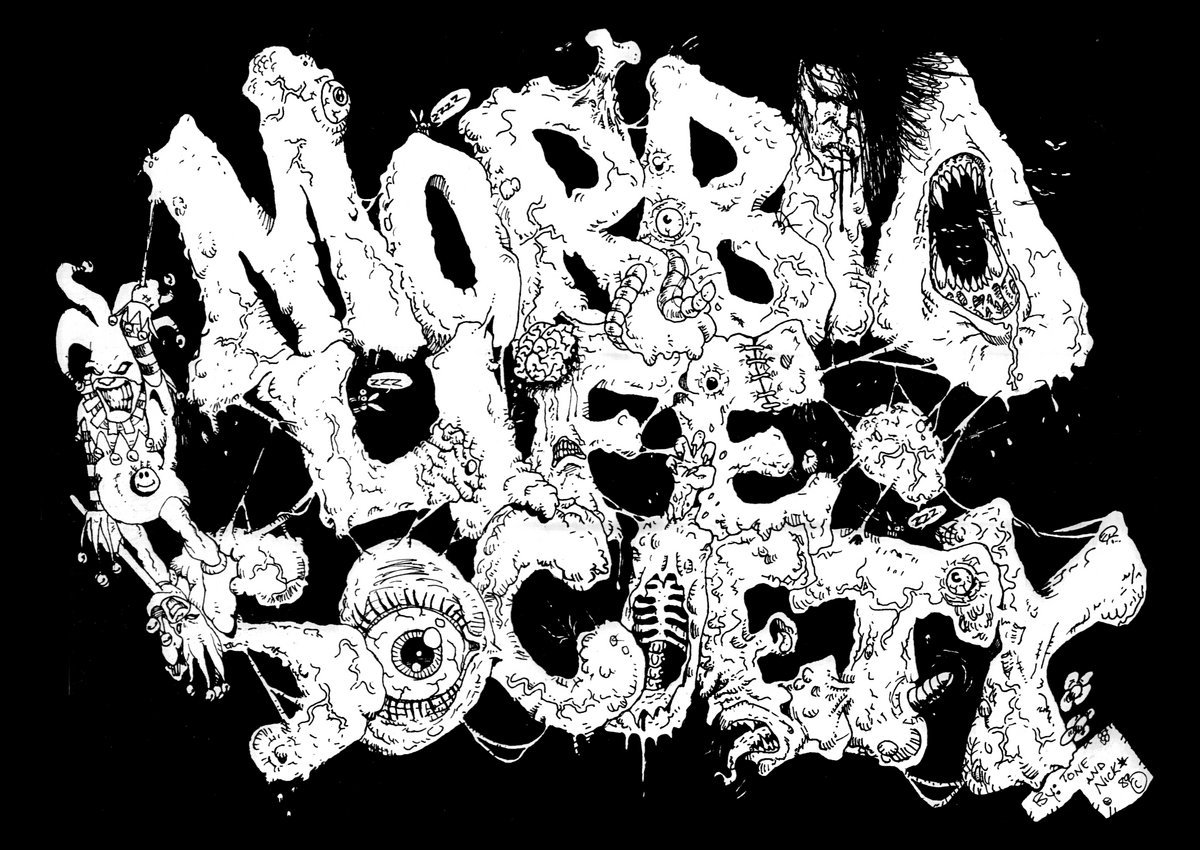
Flotsam and Jetsam's sustained relevance offers valuable lessons for both emerging acts and established veterans across the American scene. Their ability to maintain creative momentum while honoring their thrash metal foundations demonstrates how bands can navigate the challenging path between evolution and identity preservation. For newer acts in the thrash revival movement, including regional powerhouses like Staren Black and crossover specialists Morbid Life Society, this sustained approach offers a blueprint for long-term career development.
The Arizona band's four-decade journey also highlights the geographic diversity of American metal's development. While coastal scenes often receive the most attention, bands like Flotsam and Jetsam prove that innovation and longevity can emerge from any regional scene willing to support sustained creative development.
Genre Boundary Dissolution
The current state of American metal demonstrates unprecedented genre fluidity, with acts like Chicago's REZN pushing the boundaries of what constitutes heavy music. Their upcoming album "Cycles in the Infinite Dream" and lead single "Cloudfall" represent the kind of experimental approach that's becoming increasingly common among new metal bands 2026 is producing.
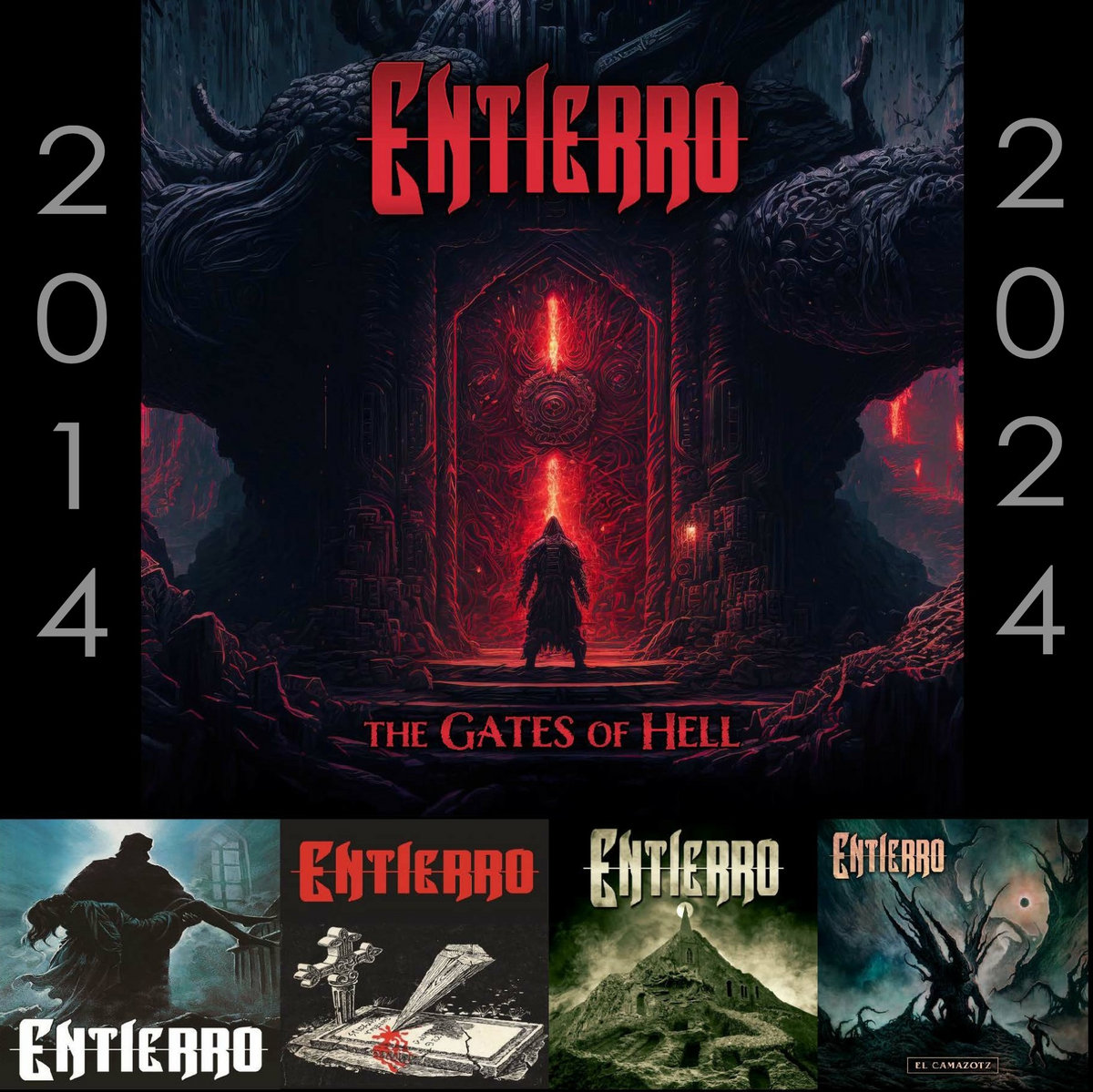
REZN's psychedelic-influenced heavy music exemplifies how modern American bands are drawing inspiration from across the musical spectrum while maintaining the fundamental intensity that defines metal. This approach resonates particularly well with bands exploring the intersection of doom, stoner, and psychedelic influences, including acts like Entierro and Venus Victrix who are similarly pushing the boundaries of heavy music's sonic possibilities.
The success of bands like REZN demonstrates that American audiences are increasingly open to experimental approaches within metal frameworks. This trend suggests that the future belongs to bands willing to synthesize influences rather than simply replicate established formulas, a development that bodes well for the continued evolution of American heavy music.
International Recognition and Local Impact
The global metal community continues to recognize American bands' contributions, as evidenced by international collaborations and touring partnerships. Accept's recent Stockholm performance, featuring collaborations with members of Europe, Opeth, Megadeth, and The Haunted, demonstrates how American metal culture influences and interacts with international scenes.
These international connections have direct implications for American regional scenes. When legendary bands collaborate across national boundaries, they create touring opportunities and cultural exchanges that benefit emerging acts across all participating regions. The presence of former Megadeth drummer Shawn Drover in such collaborations particularly highlights American metal's ongoing influence on global heavy music development.
The Business of Metal Evolution
Industry developments continue to shape how American metal bands approach career development and fan engagement. Bruce Dickinson's recent comments about keeping Iron Maiden tickets affordable reflect broader discussions about accessibility in metal culture that affect how American bands price their performances and structure their touring strategies.
The concern about maintaining diverse audiences rather than catering exclusively to wealthy fans resonates particularly strongly in American metal culture, where regional scenes often depend on working-class support systems. This philosophy influences everything from venue selection to merchandise pricing, with successful American bands increasingly recognizing that long-term sustainability depends on maintaining broad accessibility.
Looking Forward
As American metal continues evolving through 2026, the combination of ambitious festival development and sustained creative innovation by veteran acts suggests a scene that's simultaneously honoring its past and building its future. Events like Four Chord Music Festival provide platforms for both established and emerging acts, while continued album releases from legends like Flotsam and Jetsam and experimentalists like REZN ensure that creativity remains the driving force behind American heavy music's development.
The regional diversity represented by these developments—from Pittsburgh's festival investment to Arizona's thrash veterans to Chicago's psychedelic innovators—demonstrates that American metal's strength continues to lie in its geographic and stylistic diversity. As metal bands touring 2026 increasingly recognize the value of regional festival circuits and experimental venue partnerships, the foundation being laid today will support the next generation of American metal innovation.