Supergroup Formations and Reconciliation Stories: Living Wreckage Emerges While Metallica Feuds Finally End
The American metal landscape is witnessing fascinating developments as veteran musicians forge new creative paths while simultaneously healing old wounds. Two major stories are capturing attention this week: the emergence of Living Wreckage as a formidable supergroup featuring members from legendary acts, and Dave Mustaine's definitive statement that the decades-long Metallica feud has reached its conclusion.
Living Wreckage: When Metal Legends Unite
Living Wreckage represents exactly the kind of supergroup formation that demonstrates the interconnected nature of American metal's elite tier. Featuring Jon Donais from both Anthrax and Shadows Fall alongside Matt Bachand of Shadows Fall and Act of Defiance, the band has just unveiled their new single "Righteous Side of Sanity," proving that when seasoned professionals combine their expertise, the results can be immediately compelling.
What makes Living Wreckage particularly interesting is how it bridges different eras and styles of American metal. Donais brings his thrash metal credentials from Anthrax, one of the Big Four, while his work with Shadows Fall contributed to the Massachusetts metalcore explosion of the early 2000s. Bachand's involvement adds another layer of New England metal authenticity, creating a project that feels both familiar and fresh.
The timing of Living Wreckage's emergence speaks to a broader trend in American metal where veteran musicians are increasingly willing to explore new creative partnerships rather than simply maintaining their established acts. This approach has yielded some of the most exciting music in recent years, as experienced players bring decades of knowledge to fresh collaborative contexts.
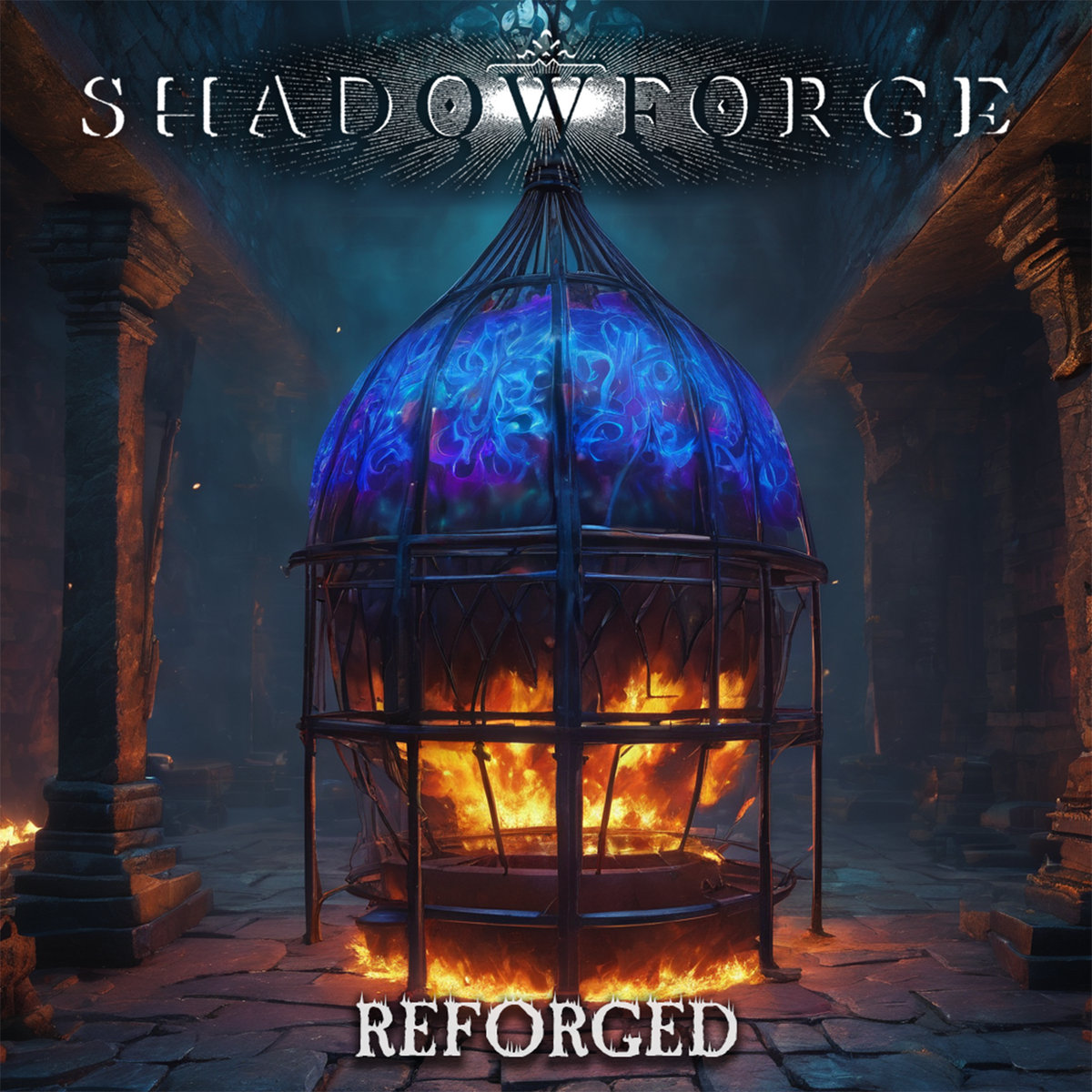
For bands operating in similar sonic territory, like our regional acts Shadowforge and The Plagued, Living Wreckage serves as both inspiration and validation that modern metal can successfully incorporate both melodic sensibilities and crushing heaviness without sacrificing either element.
The End of Metal's Most Famous Feud
Meanwhile, Dave Mustaine's recent statements about the Metallica feud represent a significant moment in metal history. When the Megadeth frontman declares that one of metal's most documented conflicts has finally ended, it signals a maturation process that extends far beyond the personal dynamics between these particular musicians.
The Mustaine-Metallica situation has been metal folklore for over four decades, stemming from his 1983 dismissal from the band just before their breakthrough. What followed was a competitive dynamic that, while often bitter, ultimately pushed both Megadeth and Metallica to greater creative heights. Mustaine's formation of Megadeth directly resulted from this conflict, proving that sometimes professional setbacks can become artistic catalysts.
Mustaine's acknowledgment that the feud has concluded suggests a broader shift in how metal's elder statesmen view their legacies. Rather than maintaining decades-old grievances, many are choosing to focus on their accumulated bodies of work and ongoing creative projects. This perspective shift has implications for the entire American metal community, as it demonstrates that even the most entrenched conflicts can eventually reach resolution.
The psychological dynamics that fueled the Metallica-Megadeth rivalry mirror smaller-scale tensions that exist throughout the metal world. Local scenes often feature their own versions of competitive relationships between bands, sometimes productive and sometimes destructive. Mustaine's mature approach to ending this feud provides a template for how such situations can evolve constructively over time.
Personal Struggles and Professional Growth
Jason Newsted's recent candid discussion about his departure from Metallica adds another layer to this narrative of reconciliation and personal growth. His admission that addiction issues, rather than creative differences, drove his decision to leave the band represents the kind of honest self-assessment that's become more common in metal as stigmas around mental health and addiction continue to diminish.
Newsted's revelation parallels similar stories from other metal veterans, including Korn drummer Ray Luzier's experiences with sobriety in an industry that has traditionally celebrated excess. These personal accounts help normalize discussions about substance abuse and recovery within metal communities, potentially helping younger musicians navigate similar challenges more successfully.
The interconnected nature of these stories—Mustaine ending feuds, Newsted discussing addiction, Living Wreckage forming new partnerships—suggests that American metal's veteran generation is actively working to create healthier, more collaborative environments for the genre's continued evolution.
Festival Announcements and Touring Developments
The announcement of Berzerkus Fest 2026, featuring Lamb of God, Black Label Society, Down, and Suicidal Tendencies, demonstrates how festival culture continues to provide platforms for both established acts and emerging artists. Zakk Wylde's festival, spanning locations in Pennsylvania and Long Island, represents the kind of regional festival strategy that's proven successful for connecting with dedicated metal audiences.
These festival announcements matter because they indicate sustained industry confidence in live music demand while providing crucial performance opportunities for bands across experience levels. For regional acts seeking exposure, festivals like Berzerkus represent potential stepping stones toward larger audiences, assuming they can secure opening slots or participate in smaller stages.
The geographic spread of the festival—from Scranton to Long Island—also reflects strategic thinking about market penetration and fan accessibility. Rather than concentrating on single major markets, this approach acknowledges that metal audiences are distributed across various communities and deserve convenient access to live performances.
Canadian Contributions and Cross-Border Influence
Cancer Bats' announcement of their new album "Give Me Dirt" and their current 20th-anniversary tour demonstrates how Canadian hardcore punk continues to influence American scenes. While technically international, bands like Cancer Bats have become integral parts of North American metal touring circuits, often playing festivals and venues throughout the US.
The cross-pollination between Canadian and American metal scenes has intensified over the decades, with bands regularly touring across the border and developing fan bases that transcend national boundaries. This integration has enriched both countries' metal communities, exposing audiences to broader stylistic variations and creating opportunities for collaborative relationships.
Looking Forward: Collaboration Over Competition
The convergence of supergroup formations, reconciled feuds, and honest personal revelations suggests that American metal is entering a phase characterized by collaboration rather than competition. Living Wreckage's formation demonstrates how veteran musicians can create exciting new projects by combining their individual strengths, while Mustaine's feud resolution shows how old conflicts can be transcended.
This collaborative spirit extends to the broader American metal ecosystem, where bands are increasingly supporting each other's efforts rather than viewing every other act as direct competition. Social media has facilitated this shift by allowing musicians to promote each other's work and build supportive networks that strengthen the entire community.
For emerging bands and regional scenes, these developments provide both inspiration and practical guidance. The veteran generation is demonstrating that longevity in metal requires adaptability, collaboration, and the wisdom to prioritize creative growth over personal grievances.
As American metal continues evolving, the examples set by Living Wreckage's formation and the resolution of historic feuds suggest a mature, forward-thinking community that values artistic excellence and personal growth over outdated antagonisms. This evolution bodes well for the genre's continued vitality and cultural relevance.