Veteran Revelations and Generational Bridges: Industry Veterans Share Hard-Won Wisdom While Legacy Bands Navigate Modern Crossroads
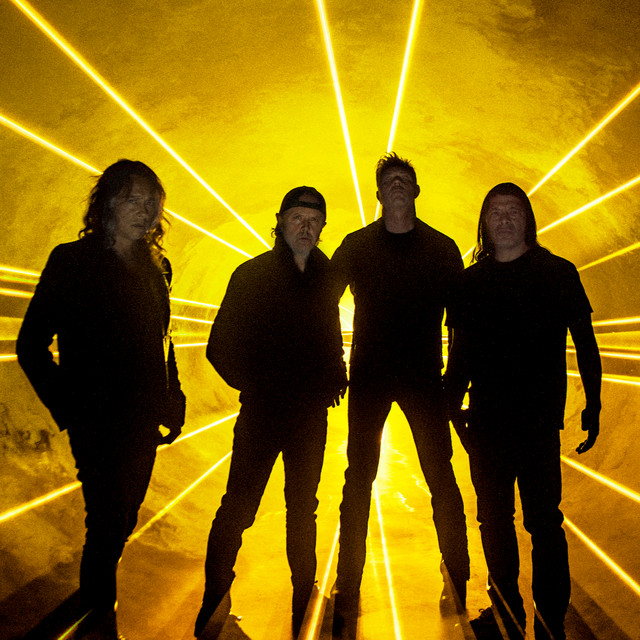
The American metal scene is experiencing a fascinating convergence of veteran wisdom and strategic decision-making, as established artists share career-defining insights while legendary acts weigh their futures. From drummers revealing industry truths to iconic bands contemplating their next chapters, the heavy music landscape is being shaped by decades of hard-won experience.
The Unvarnished Truth About Music Industry Politics
Korn drummer Ray Luzier's recent revelations about losing opportunities with major acts due to his sobriety choices illuminate the darker realities many musicians face behind the scenes. Speaking at Musicians Institute's Pearl Day event, Luzier disclosed how his refusal to participate in drug culture cost him positions with two hugely successful bands before joining Korn's ranks.
This kind of transparency from established players provides crucial guidance for emerging artists navigating an industry where talent doesn't always determine success. Luzier's path from small-town Pennsylvania to one of nu-metal's most prominent drum thrones demonstrates how personal integrity can ultimately lead to more meaningful career achievements, even when it closes certain doors along the way.
The timing of these insights proves particularly relevant as young musicians face increasing pressures in a competitive landscape. For thrash metal acts like Degradation and groove metal pioneers such as Continuum, understanding these industry dynamics becomes essential for long-term sustainability.
Progressive Metal's Future Calculations
Meanwhile, Fates Warning's Ray Alder continues to fuel speculation about potential live performances, emphasizing the logistical complexities facing veteran progressive metal acts. His measured approach to discussing future shows reflects the reality many established bands confront when weighing fan expectations against practical limitations.
The progressive metal community has watched with intense interest as various classic acts navigate these decisions. Fates Warning's nearly four-decade legacy in the genre gives their choices particular weight, potentially influencing how other veteran progressive acts approach their own futures.
This calculated approach to live performance resonates throughout American progressive metal, where technical demands and aging musicians create unique challenges. The genre's emphasis on musical precision makes touring decisions even more critical than in other metal subgenres.
International Touring Realities Hit Home
Venom's frank discussion of touring economics provides another layer of industry education, with guitarist Stuart "Rage" Dixon comparing international bands to vampires requiring formal invitations to cross American thresholds. This metaphor, while colorful, underscores genuine financial barriers preventing legendary acts from reaching American audiences.
The visa and touring cost crisis affects countless international metal acts hoping to perform in the United States. For American fans accustomed to seeing global metal legends, these economic realities explain increasingly sparse international touring schedules.
These revelations also highlight advantages enjoyed by domestic acts across all metal subgenres, from the best metal bands of previous decades to emerging forces in today's scene. Understanding these dynamics helps explain why certain touring packages feature primarily American acts, and why international co-headlining opportunities have become increasingly rare.
Legacy Acts Chart Uncertain Waters
UFO frontman Phil Mogg's definitive statements about avoiding future live performances represent another veteran perspective on career transitions. At 78, following his 2022 heart attack, Mogg's position illustrates how health considerations ultimately override fan demands and commercial pressures.
His emphasis that "you can't go back to things like that" reflects a broader reality facing many classic metal and hard rock acts. The physical demands of touring and performing heavy music take cumulative tolls that eventually force difficult decisions.
These veteran perspectives provide valuable context for understanding how successful metal careers evolve over multiple decades. For younger bands like those emerging in death metal and thrash scenes, observing how legends navigate career transitions offers crucial long-term planning insights.
American Metal's Evolving Tribute Culture
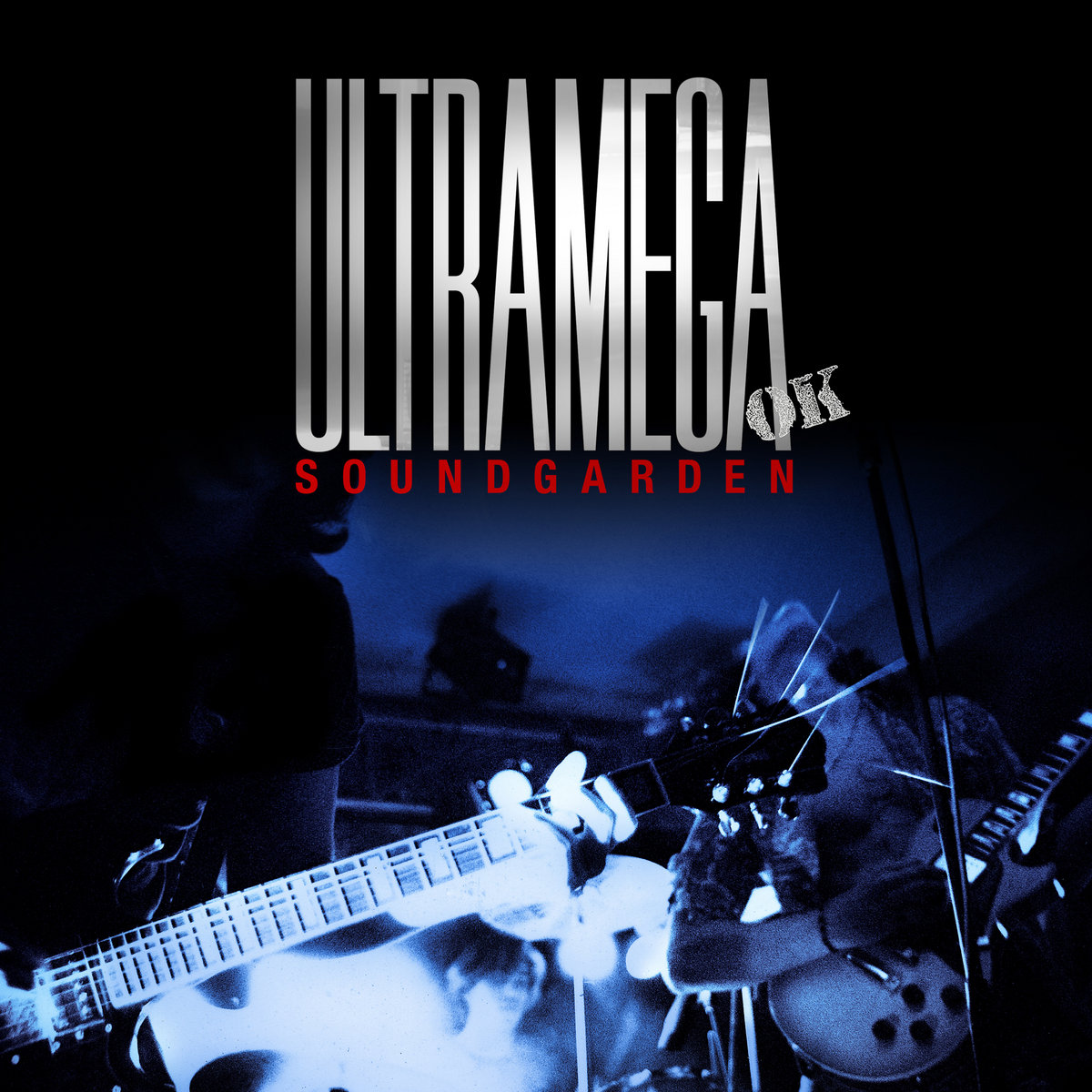
The emergence of tribute projects featuring current metal stars demonstrates another facet of American metal's generational continuity. Mastodon's Brann Dailor participating in supergroup King Ultramega's Chris Cornell tribute exemplifies how established artists honor their influences while expanding creative boundaries.
These collaborations serve multiple purposes within the metal community: preserving important musical legacies, connecting different generations of musicians, and providing creative outlets beyond primary band commitments. The choice to honor Soundgarden founder Cornell through "Dead Wishes" specifically showcases the ongoing influence of Seattle's alternative metal pioneers on contemporary American metal.
Such tribute work also creates opportunities for cross-pollination between different metal subgenres and eras. When progressive metal drummers tackle grunge-influenced material, the results often reveal new interpretive possibilities while honoring original artistic intentions.
Gaming Platforms Expand Metal's Digital Reach
The integration of metal vocalists into gaming soundtracks represents another evolution in how the genre reaches audiences beyond traditional concert settings. Vicky Psarakis of Sicksense contributing to Call of Duty's zombie mode soundtrack demonstrates metal's growing presence in interactive entertainment.
These gaming collaborations provide income streams and exposure opportunities that didn't exist for previous metal generations. For contemporary bands across various subgenres, understanding digital platform opportunities becomes increasingly important for sustainable careers.
The gaming industry's embrace of metal music also validates the genre's emotional intensity and atmospheric power in contexts beyond live performance. This recognition opens doors for instrumental acts, ambient metal projects, and cinematic metal compositions.
Lifestyle Evolution Among Metal Veterans
Paradise Lost's Nick Holmes discussing his evolved approach to touring lifestyle reflects broader changes in how metal musicians manage long-term careers. His focus on show quality over road partying represents professional maturity that extends career longevity.
This shift toward health-conscious touring practices influences younger metal acts observing veteran approaches to sustainable careers. The party-hard stereotypes associated with metal touring are gradually being replaced by more professional attitudes toward performance preparation and recovery.
These lifestyle changes also reflect economic realities facing touring musicians. Maintaining peak performance capabilities requires treating music as a serious profession rather than an extended party, particularly as ticket sales and merchandise revenue become increasingly crucial for band survival.
Looking Forward: Wisdom Meets Innovation
The convergence of veteran insights with emerging technologies and platforms creates unique opportunities for American metal's continued evolution. Established artists sharing honest career perspectives helps younger musicians make informed decisions while navigating an increasingly complex industry landscape.
From Metallica's renewed streaming initiatives to individual artists exploring gaming collaborations, the metal scene continues adapting to digital-first entertainment consumption. These adaptations, guided by veteran wisdom about industry realities, position American metal for sustained relevance across changing technological and cultural landscapes.

The lessons emerging from these veteran perspectives - about integrity, logistics, health, and professional evolution - provide roadmaps for upcoming shows and future career planning across all metal subgenres. As the scene continues evolving, these hard-won insights become invaluable resources for sustaining American metal's creative and commercial vitality.