Drumeo Challenges and Cross-Genre Exploration: Veteran Musicians Tackle Musical Territory Outside Their Comfort Zones
The American metal and heavy music landscape continues to evolve through unexpected cross-pollinations and artistic challenges, as veteran musicians venture beyond their established territories to explore new sonic ground. Recent developments showcase how established artists are embracing unfamiliar material and pushing creative boundaries in ways that reflect the genre's increasing openness to experimentation.
Drumming Beyond Boundaries: The Creed Connection
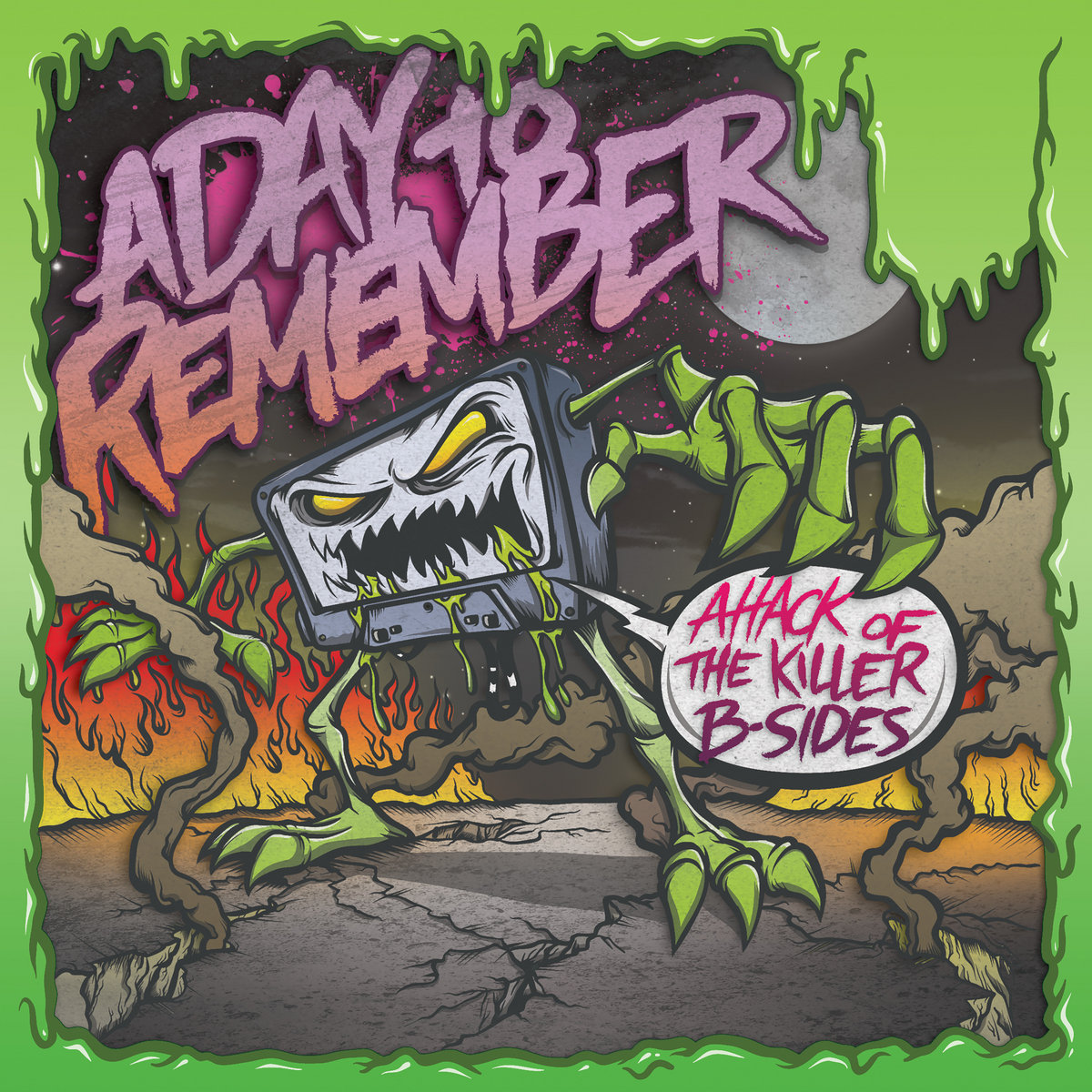
Scott Phillips, the rhythmic backbone behind Creed's multi-platinum success, recently took on an intriguing challenge that highlights the interconnected nature of modern American heavy music. Through Drumeo's popular series, Phillips tackled A Day To Remember's "The Downfall Of Us All," approaching the metalcore anthem completely cold without prior familiarity. This type of cross-genre exploration demonstrates how veteran musicians from the post-grunge and alternative metal scenes are engaging with newer generations of heavy music.
The significance extends beyond a simple drumming exercise. Phillips, who helped define the sound of early 2000s mainstream rock with Creed and later Alter Bridge, represents a bridge between the commercial hard rock explosion of that era and today's more diverse metal landscape. When veteran drummers from best metal bands of the past two decades engage with contemporary metalcore, it creates valuable dialogue between generational approaches to rhythm and songcraft.
For the broader US metal scene, these interactions matter because they highlight the technical evolution that has occurred across subgenres. A Day To Remember's blend of pop-punk and metalcore presents rhythmic challenges that differ significantly from the straightforward power of Creed's catalog, yet Phillips' willingness to engage shows how American heavy music has become increasingly interconnected across stylistic boundaries.
Post-Hardcore Touring Strategies
The Fall Of Troy's approach to their spring touring demonstrates another facet of how established American bands are navigating today's live music economy. By combining spots on a larger tour with Dance Gavin Dance while simultaneously booking their own headlining shows, they're employing a hybrid strategy that maximizes both exposure and artistic control.
This tactical approach reflects broader changes in how metal bands touring 2026 are structuring their live activities. Rather than committing exclusively to package tours or headlining runs, experienced acts are increasingly mixing formats to reach different audience segments while maintaining financial viability. The Fall Of Troy's six independent dates alongside their support slots create opportunities for deeper fan engagement while capitalizing on the promotional boost that comes with sharing stages with larger acts.
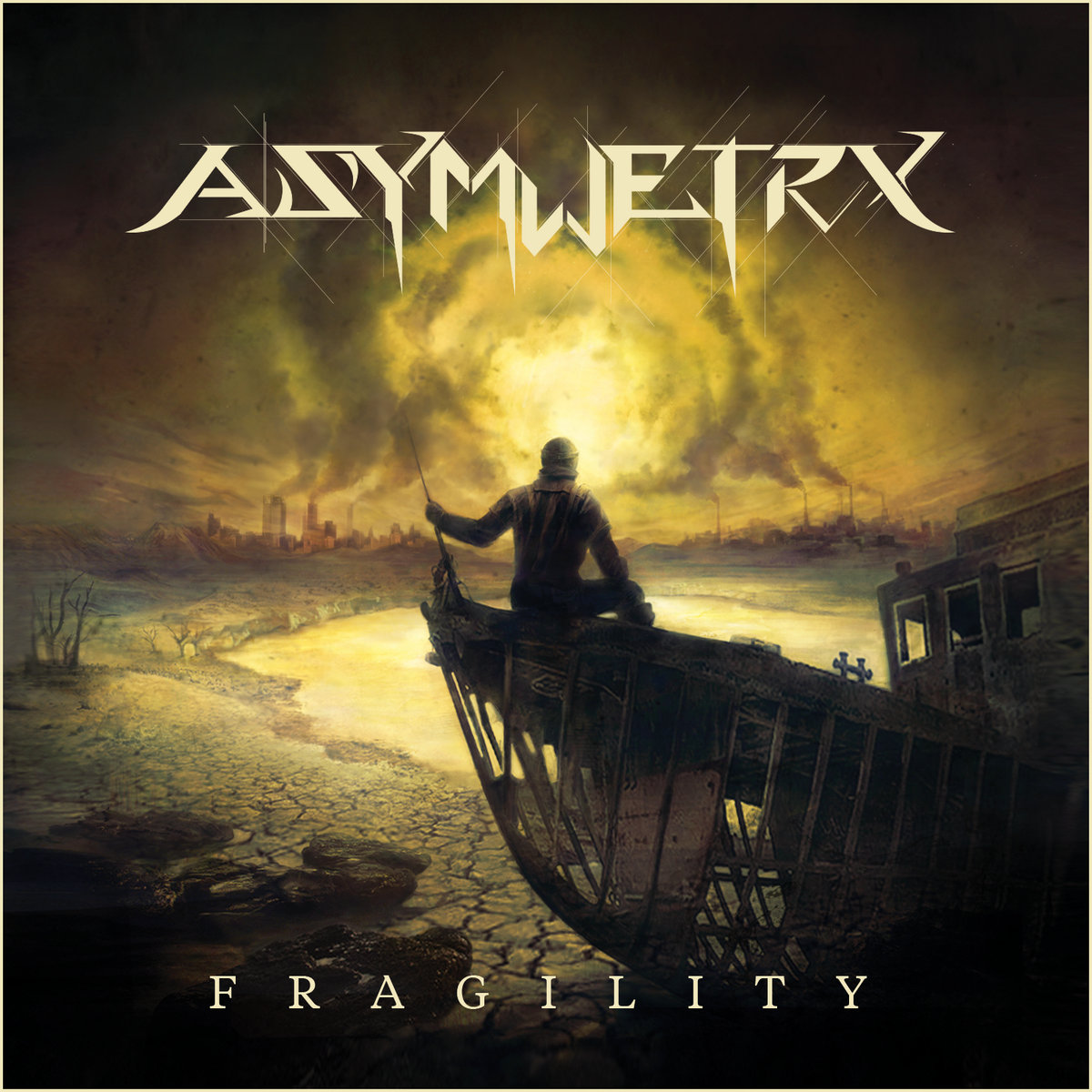
The post-hardcore and math rock scenes that The Fall Of Troy helped pioneer have always emphasized technical musicianship and complex arrangements. Their continued touring activity helps maintain visibility for these more intricate forms of heavy music within America's increasingly crowded live music marketplace. For bands operating in similar territories, including progressive metal acts like Asymmetry, these strategic approaches offer blueprints for sustaining careers built on musical complexity rather than mainstream accessibility.
Modern Protest Punk Revival
Gottlieb's "Far Fallen Fruit" represents another strand of American heavy music's current evolution, drawing direct inspiration from foundational hardcore punk acts Black Flag and Minor Threat while addressing contemporary political and social concerns. The Los Angeles-based project, helmed by a television writer, demonstrates how punk's protest tradition continues to find new voices and contexts.
The album's tracks, including "Pipe Bomb" and "White Vans," suggest an engagement with current anxieties filtered through hardcore punk's traditional directness and aggression. This approach connects to a broader revival of politically-charged punk and metal that has gained momentum across American scenes, particularly in urban centers where economic and social pressures have intensified.
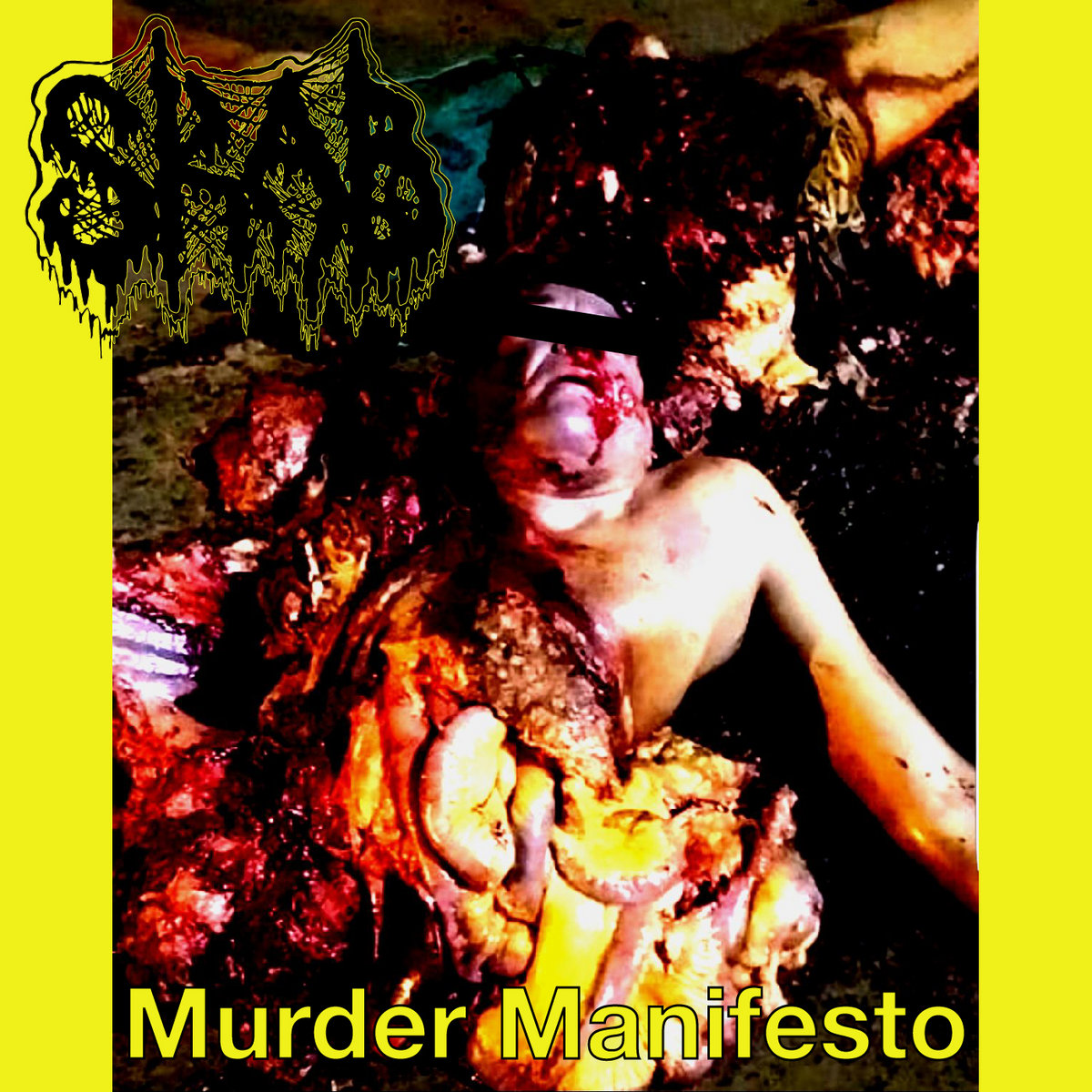
For the hardcore and crossover thrash communities, Gottlieb's work represents continuity with punk's activist roots while updating the sound for contemporary listeners. Bands like Skab, who operate in the crossover thrash and hardcore spaces, benefit from this renewed attention to punk's political dimensions, as it reinforces the genre's capacity for social commentary alongside musical intensity.
Industry Conversations and Accessibility
Veteran drummer Carmine Appice's recent comments about concert ticket pricing touch on a critical issue facing American heavy music: accessibility. His questioning of who can afford today's ticket prices reflects concerns shared across the metal community, from emerging bands struggling to build audiences to longtime fans being priced out of live experiences.
The ticket pricing crisis particularly impacts metal and hard rock, genres that have historically prided themselves on working-class accessibility and inclusive community building. When legendary musicians who helped establish best heavy metal songs and performed with 80s metal bands express concern about pricing trends, it signals broader problems within the live music ecosystem.
These economic pressures affect how new metal bands 2026 approach building their fan bases. Young bands must navigate an environment where venue costs, promotion expenses, and fan purchasing power create challenging dynamics for developing sustainable careers. The contrast between streaming music's low barriers to entry and live music's increasing costs creates particular tensions for genres like metal that have traditionally relied on live performance for both artistic expression and financial viability.
Progressive Metal Anticipation
Symphony X vocalist Russell Allen's updates about the band's forthcoming album highlight another significant trend: the extended development cycles that many established progressive metal acts now employ. His indication that the band is "pretty far into" their new record, after years of development, reflects both the ambition and perfectionism that characterizes American progressive metal.
The careful, methodical approach that Symphony X has taken with their new material demonstrates how veteran progressive acts balance fan expectations with artistic growth. Unlike genres that prioritize frequent releases, progressive metal often rewards patience and craftsmanship, values that align with the extended composition and arrangement processes that complex music requires.
For American progressive metal, Symphony X's eventual return will provide an important touchstone. Their combination of classical influences, metal intensity, and technical virtuosity has influenced numerous bands within the US metal scene, and their new material will likely set benchmarks for both compositional sophistication and production quality that other progressive acts will reference.
Cross-Generational Metal Evolution
The week's developments collectively illustrate how American metal and heavy music continue evolving through cross-generational dialogue, genre-blending exploration, and ongoing conversations about accessibility and artistic integrity. From Scott Phillips tackling metalcore to Gottlieb modernizing hardcore punk, these activities demonstrate the genre's vitality and willingness to embrace new challenges.
The diversity of approaches—from The Fall Of Troy's strategic touring to Symphony X's methodical album development—shows how different segments of American heavy music are finding sustainable paths forward. Rather than following a single model for success, bands and artists are developing individualized strategies that honor their musical identities while adapting to contemporary realities.
These developments suggest that American metal's future lies not in rigid adherence to established formulas, but in continued willingness to experiment, collaborate, and challenge both artistic and business conventions. As veteran musicians engage with newer styles and emerging acts build on established foundations, the genre maintains both its historical connections and its capacity for ongoing evolution.