Legacy Bloodlines and Thrash Devotion: Next-Generation Metal Projects Emerge as German Masters Pledge Eternal Commitment
The metal world is witnessing a fascinating generational shift as the sons of rock royalty prepare to make their mark, while thrash metal legends double down on their lifelong dedication to the genre. This convergence of fresh blood and veteran determination represents a pivotal moment for heavy music's evolution.
Royal Offspring Enter the Arena
The most intriguing development comes from an unexpected collaboration between two music industry dynasties. Evan Stanley and Nick Simmons, sons of KISS legends Paul Stanley and Gene Simmons respectively, have joined forces under the moniker Stanley Simmons for their debut musical venture. Their forthcoming album Dancing While The World Is Ending promises to showcase what happens when rock royalty bloodlines converge in the studio.
This project represents more than just celebrity offspring capitalizing on famous surnames. The timing of their emergence speaks to a broader trend of second-generation musicians carving out distinct identities while acknowledging their legendary lineage. Unlike many celebrity children who drift toward pop or indie rock, Stanley Simmons appears committed to maintaining the heavier edge that defined their fathers' careers, though filtered through a contemporary lens.
The album's title itself suggests a band grappling with modern anxieties while embracing the theatrical bombast that made KISS legendary. Their upcoming single release strategy indicates a methodical approach to building their own fanbase rather than relying solely on inherited fame. For American metal fans, this represents an interesting test case: can next-generation talent earn respect based on musical merit, or will they forever be measured against their parents' monumental achievements?
Thrash Metal's Eternal Flame
While new blood enters the scene, German thrash metal titan Mille Petrozza of Kreator demonstrates the unwavering passion that has sustained the genre for over four decades. In recent interviews, the vocalist has expressed his commitment to continuing his musical journey indefinitely, viewing songwriting not as a career obligation but as a life-sustaining force.
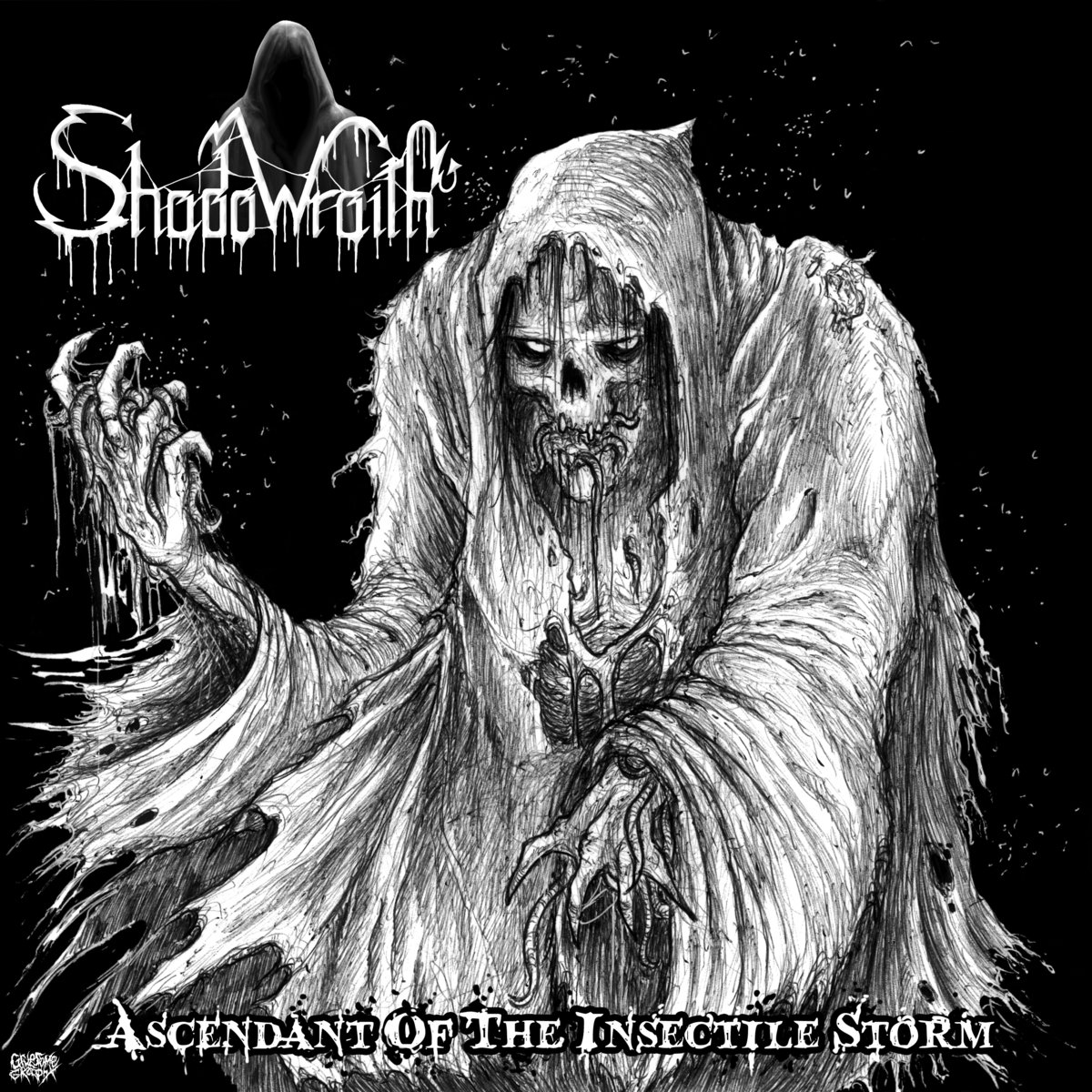
Petrozza's perspective offers valuable insights for American metal musicians navigating long-term careers. After sixteen studio albums, including their latest Krushers Of The World, Kreator continues to find fresh approaches to their signature sound. This dedication resonates particularly strongly within the US thrash scene, where bands like Shadowraith and other emerging acts look to veterans for guidance on maintaining creative vitality across decades.
The German thrash master's approach to songwriting evolution provides a blueprint for American metal bands seeking longevity. Rather than dramatically reinventing their sound every few years, successful veteran acts like Kreator demonstrate how subtle progressions and refined brutality can keep a band relevant without alienating their core audience. This philosophy has particular relevance for the US metal scene, where bands often face pressure to chase trends rather than perfect their craft.
American Metal's Generational Bridge
The contrast between emerging dynasty projects and veteran dedication illuminates broader patterns within American metal's current landscape. While Stanley Simmons represents the privilege and pressure of inherited musical legacy, countless American metal bands are grinding through the traditional path of club shows, self-funded recordings, and grassroots fan building.
This dynamic creates interesting tensions within metal communities. Veteran acts with established fanbases can take creative risks that might sink newer bands, while next-generation projects often receive opportunities that underground musicians spend years trying to secure. However, American metal's strength has always been its meritocratic tendencies – audiences quickly separate genuine talent from manufactured hype, regardless of family connections or label backing.
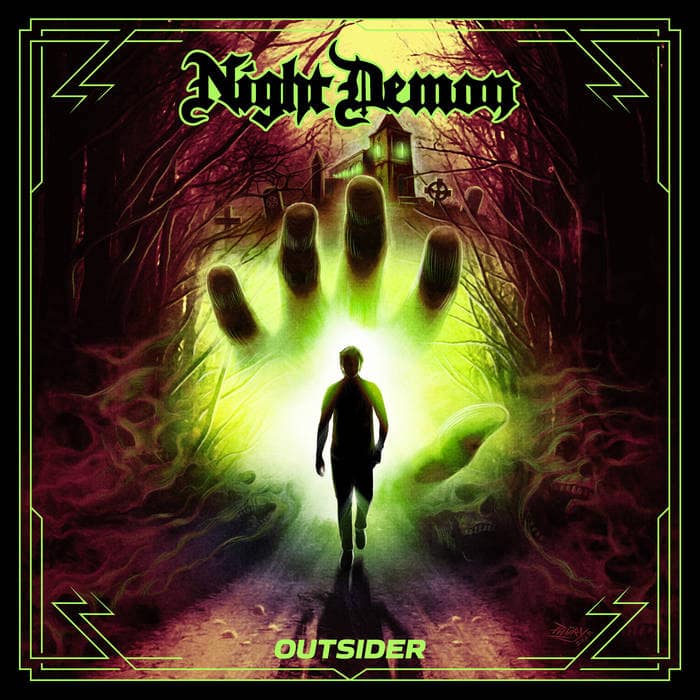
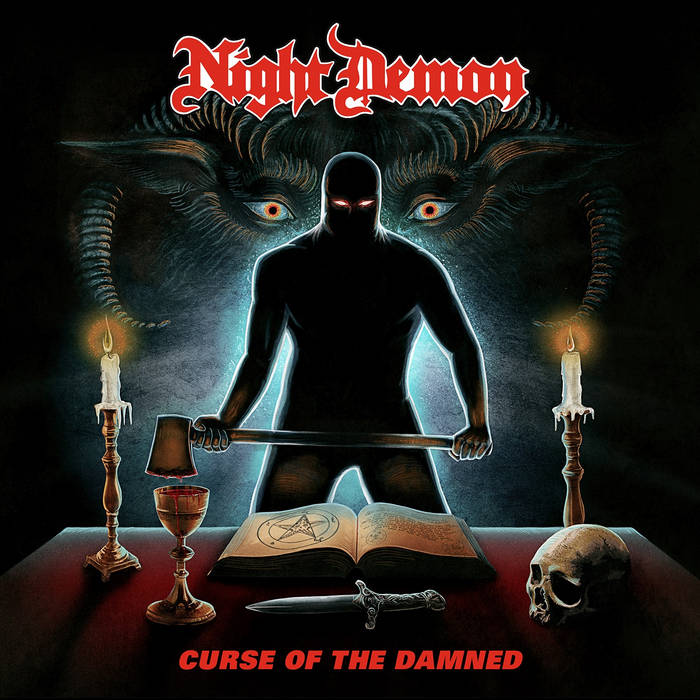
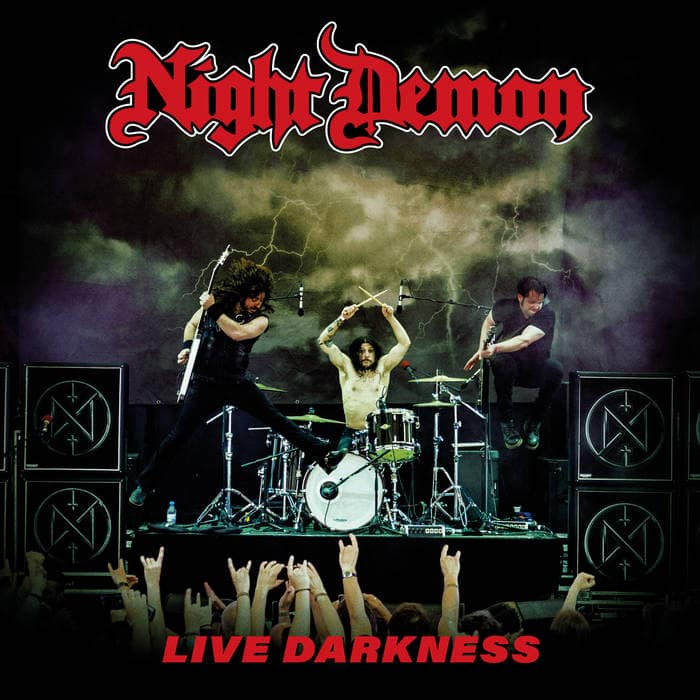
The heavy metal and traditional metal scenes represented by bands like Night Demon continue to emphasize authenticity and musical skill over industry connections. These grassroots movements provide essential counterbalance to celebrity offspring projects, ensuring that American metal maintains its rebellious edge even as it evolves commercially.
Artistic Persistence in Modern Metal
Petrozza's commitment to lifelong musical creation reflects broader trends among the best metal bands of all time. The most enduring acts share a common trait: they view their music as essential self-expression rather than mere entertainment product. This philosophy has sustained American metal through multiple decades of industry upheavals, from the tape-trading underground of the 1980s through streaming's current dominance.
Contemporary American metal bands can learn from this approach by focusing on long-term artistic development rather than quick commercial gains. The most successful veteran acts built their reputations through consistent quality and genuine passion, qualities that remain relevant regardless of changing industry dynamics. This persistence becomes particularly important as metal bands touring 2026 face increased competition for audience attention and venue bookings.
The integration of family legacy projects like Stanley Simmons into this ecosystem presents both opportunities and challenges. While celebrity connections can open doors, they also create expectations that purely grassroots bands don't face. American metal's traditional emphasis on authenticity means these projects must prove their worth through musical merit rather than relying on inherited fame.
Looking Forward: Metal's Evolving Landscape
As we move deeper into 2026, the convergence of generational talent and veteran dedication suggests American metal is entering a particularly dynamic period. New metal bands 2026 will compete not only against each other but also against legacy acts maintaining peak creativity and celebrity offspring projects backed by industry resources.
This competitive environment ultimately benefits metal fans, who gain access to diverse approaches to heavy music creation. Whether emerging from famous bloodlines or underground scenes, successful metal acts must demonstrate genuine commitment to their craft. The best heavy metal songs throughout history emerged from this same crucible of competition and artistic dedication.
The American metal scene's strength lies in its ability to absorb influences from multiple sources while maintaining its essential character. Dynasty projects, veteran thrash masters, and underground innovators each contribute essential elements to the genre's continued evolution. As long as passion and authenticity remain the primary currency, American metal will continue to produce both the unexpected collaborations and lifelong dedications that keep the genre vital.
For fans seeking new discoveries, the intersection of these different approaches creates unprecedented opportunities to experience metal's full spectrum, from carefully crafted legacy projects to the raw determination of acts who view their music as an eternal calling.