Digital Rights Battles and Gothic Returns: AI Flags Zao While Six Feet Under Delivers Classic Death Metal
The American metal landscape faces a fascinating dichotomy this week: while pioneering bands continue delivering uncompromising content, the digital infrastructure supporting them reveals troubling gaps that threaten artistic integrity. From wrongful AI accusations to classic death metal excellence, the scene navigates both creative triumphs and technological growing pains.
Zao Confronts the AI Detection Problem
Christian metalcore veterans Zao have found themselves at the center of a disturbing trend plaguing American metal artists: wrongful algorithmic flagging by digital distribution platforms. TuneCore, one of the industry's major digital distributors, incorrectly identified the band's music as artificially generated, creating a bureaucratic nightmare that highlights how poorly equipped automated systems are to understand the nuances of extreme music.
The band's frustration extends beyond the initial misidentification. Their inability to reach human representatives who could understand the complexity of their situation reveals a systemic problem affecting countless American metal acts. When algorithms designed to detect AI-generated content encounter the experimental production techniques, unconventional song structures, and processed vocals common in extreme metal, false positives become inevitable.
This incident raises critical questions about the future of digital music distribution for heavy music. As American metal bands increasingly rely on platforms like TuneCore, Spotify, and Bandcamp for revenue and exposure, algorithmic gatekeeping threatens to disrupt careers based on automated misunderstandings of artistic expression. The irony that Zao's track contained a clip warning—something current AI systems couldn't realistically generate—underscores the crude nature of these detection systems.
Six Feet Under Delivers Gruesome Excellence
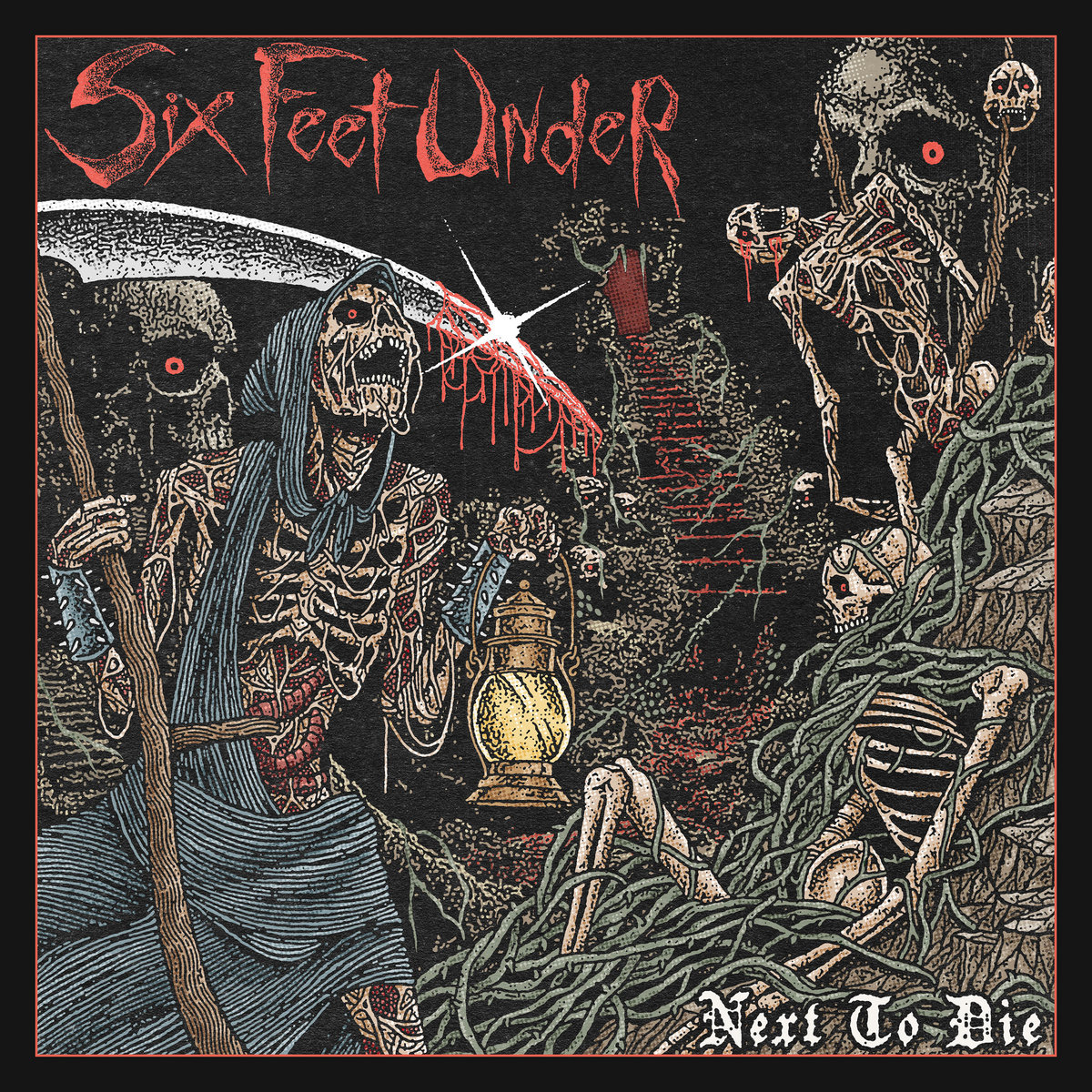
While digital platforms struggle with authenticity detection, Six Feet Under demonstrates what authentic American death metal looks like with their visceral "Mister Blood And Guts" music video. The track, featured on their latest Metal Blade Records release "Next To Die," showcases the band's unwavering commitment to the horror-infused death metal sound they've perfected over three decades.
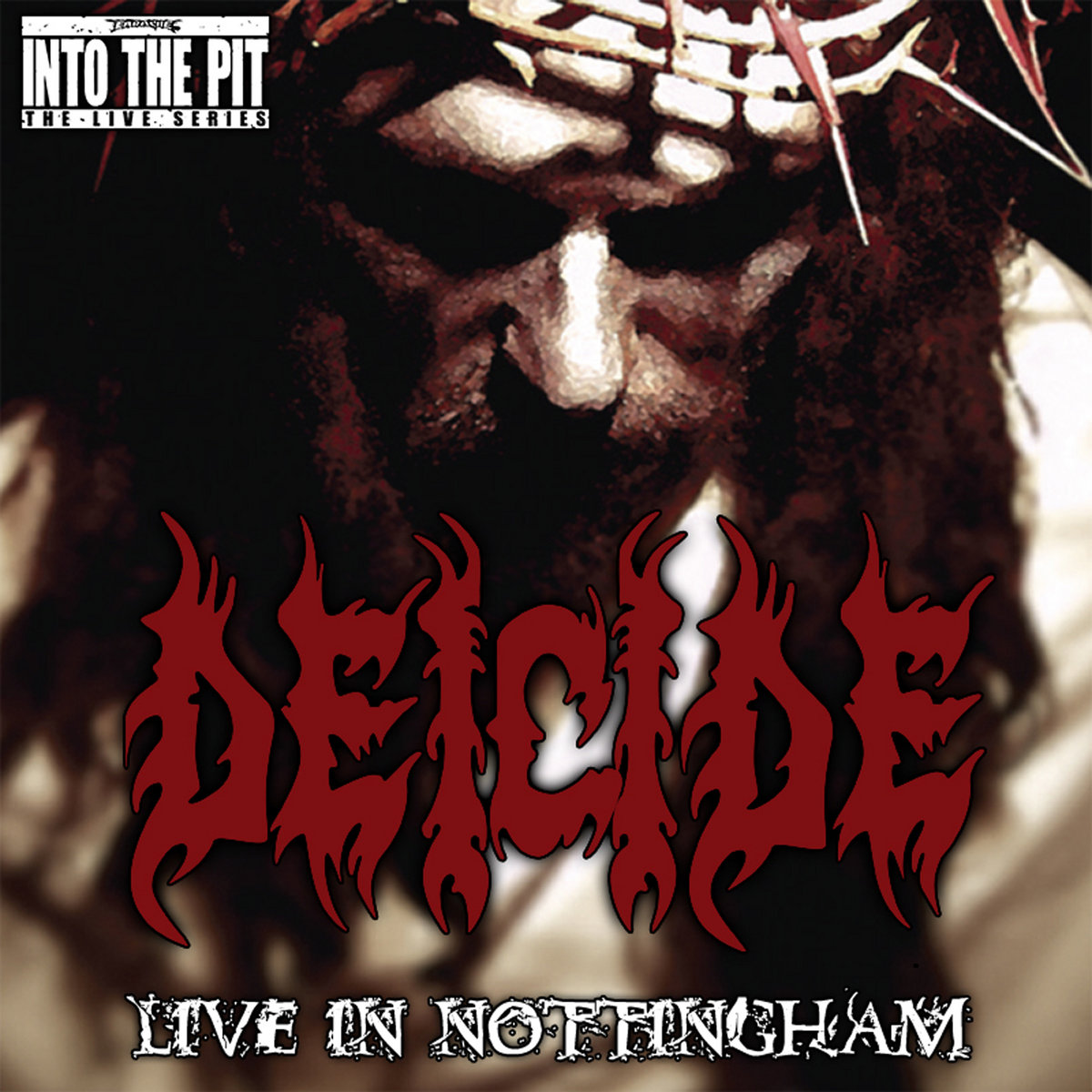
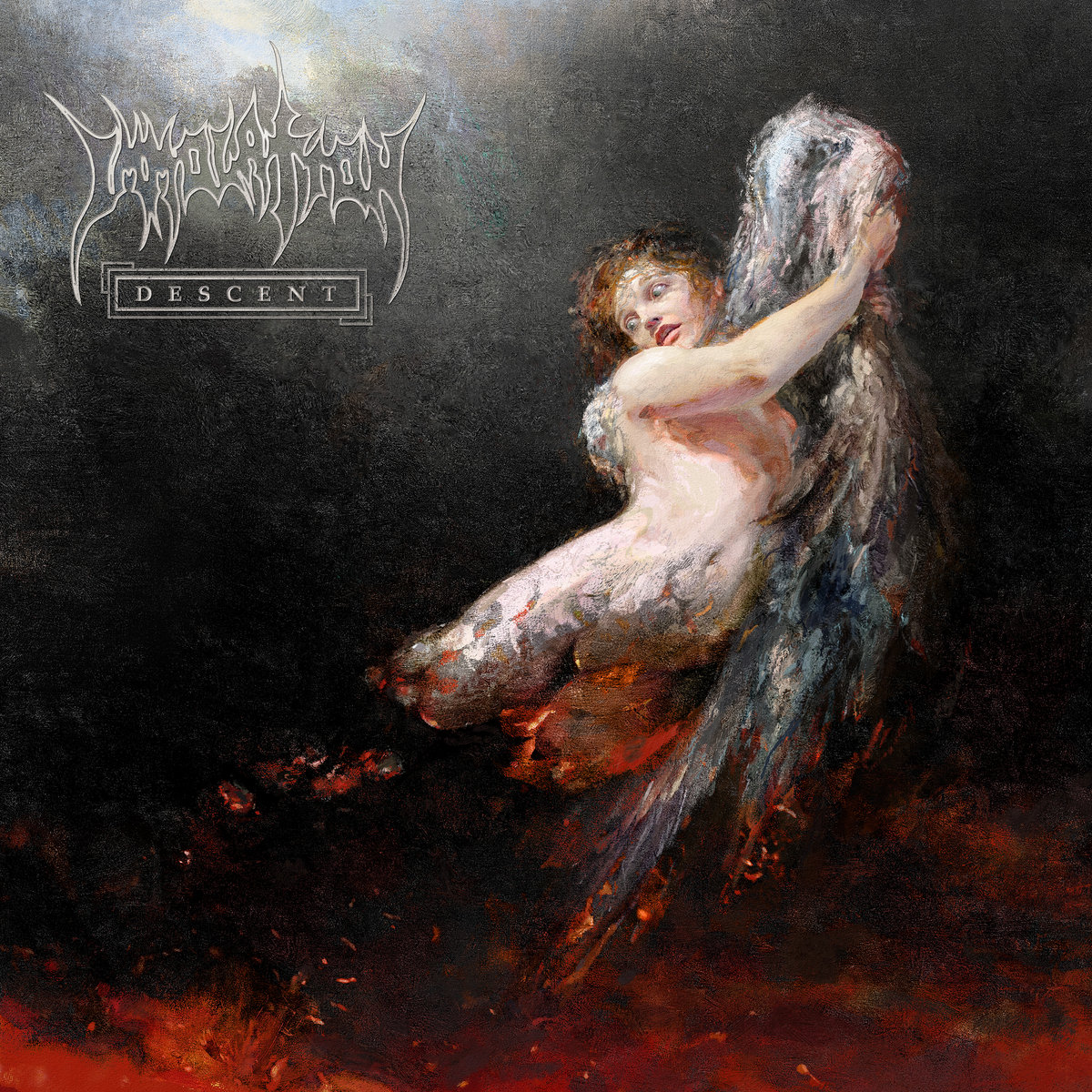
Guitarist Jack Owen's commentary on local television horror hosts reveals the band's deep connection to American pop culture's darker corners. This cultural grounding distinguishes American death metal from its international counterparts—the integration of regional horror traditions, B-movie aesthetics, and underground television culture creates a distinctly American approach to extreme music that bands like Deicide and Immolation have similarly explored.
The video's release strategy demonstrates how established American metal bands successfully navigate modern promotional landscapes. Rather than relying solely on algorithmic distribution, Six Feet Under combines traditional music video releases with strategic media partnerships, ensuring their content reaches audiences through multiple channels while maintaining creative control.
Post-Hardcore Innovation and Industry Recognition
Roman Candle's new music video for "How To Be Considered When You're Not In The Room" represents the continuing evolution of American post-hardcore, a genre that bridges the gap between metal and punk scenes. The quartet's approach to visual storytelling reflects how new metal bands 2026 are expanding beyond traditional promotional methods, creating immersive multimedia experiences that complement their musical complexity.
Meanwhile, Dave Mustaine's recognition as Guest of Honor in Buenos Aires demonstrates the global impact of American thrash metal pioneers. Such international acclaim reinforces the enduring influence of the US metal scene on worldwide heavy music development, proving that American innovation continues resonating with international audiences decades after its initial impact.
Industry Challenges and Unexpected Setbacks
The theft of former Saliva vocalist Josey Scott's entire equipment setup in Tulsa represents a harsh reality facing touring American musicians. Gear theft, while not unique to metal, disproportionately affects underground and mid-level acts who lack the insurance coverage and equipment redundancy of major touring operations. The launched GoFundMe campaign illustrates both the vulnerability of working musicians and the community solidarity that characterizes American metal scenes.
This incident highlights broader challenges facing metal bands touring 2026. Rising equipment costs, increased travel expenses, and security concerns create additional barriers for American bands trying to build audiences through live performance. The community response to Scott's situation demonstrates how metal scenes rally around affected musicians, but also reveals the precarious financial situations many artists navigate.
Legal Victories and Creative Continuity
The Florida court ruling favoring Dean Guitars' parent company in the Dimebag Darrell estate lawsuit provides crucial precedent for trademark protection in American metal. The decision recognizes Dean's legitimate claim to the Razorback trademark through "prior use and good faith commercial activity," establishing important protections for music industry partnerships and artist collaborations.
This legal victory ensures continued availability of signature instruments that have become integral to American metal's sonic identity. The Razorback's distinctive design has influenced countless players across multiple metal subgenres, making its trademark protection essential for maintaining continuity in American heavy music equipment innovation.
Gothic Metal's Enduring Appeal
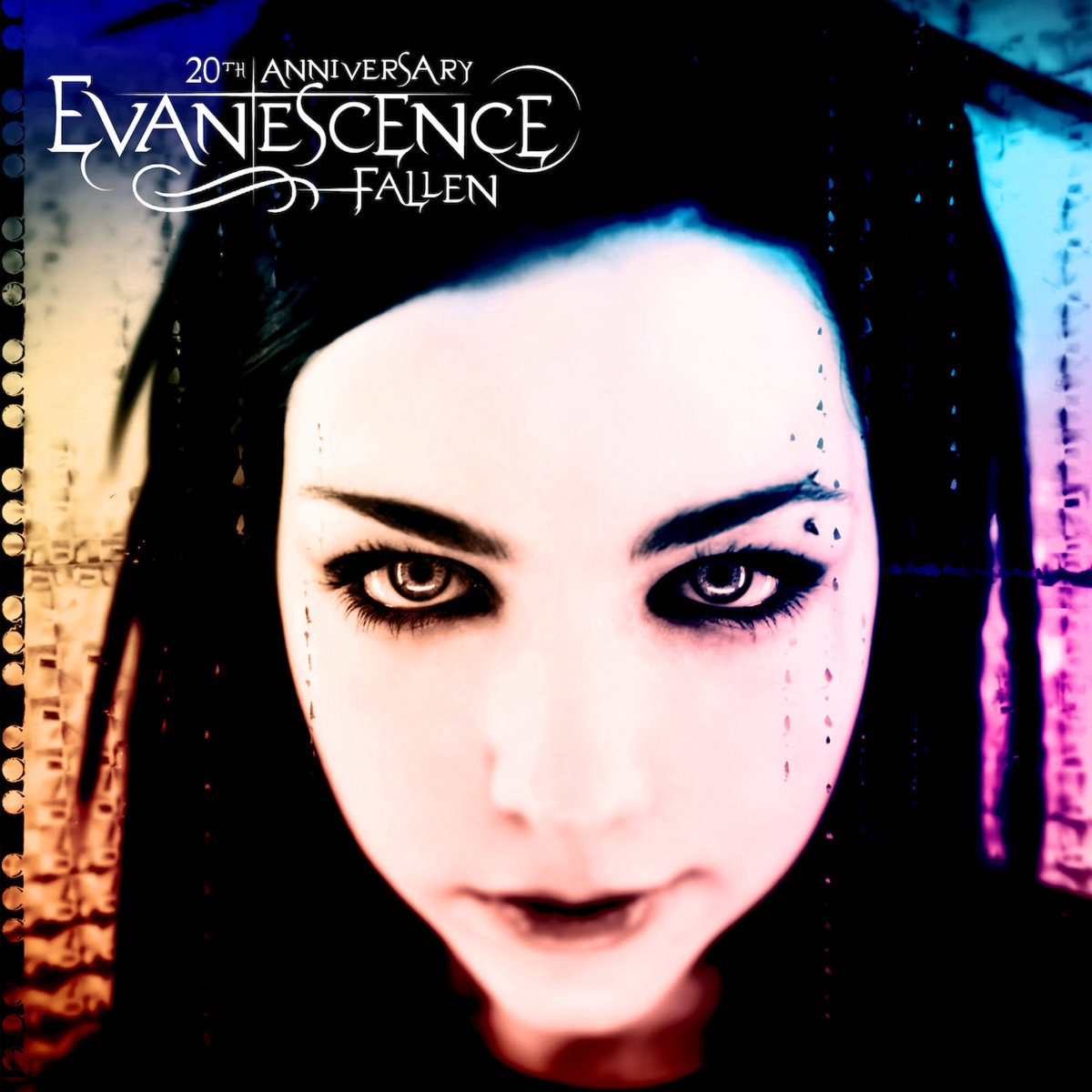
Dani Filth's announcement of a new Cradle of Filth album and lineup changes signals continued vitality in gothic extreme metal, a subgenre where American bands have made significant contributions alongside their British counterparts. The band's three-decade career parallels the development of American symphonic and gothic metal scenes, influencing bands like Evanescence and countless underground acts exploring orchestral metal territories.
The mention of "almost-collaborations" suggests the complex networking that drives modern metal creativity. American metal's collaborative spirit, from death metal guest appearances to cross-genre experiments, continues expanding musical possibilities while maintaining genre authenticity.
Looking Forward: Infrastructure and Innovation
As American metal enters 2026, the contrast between creative excellence and infrastructural challenges becomes increasingly apparent. While bands continue producing innovative music and building dedicated audiences, the digital systems supporting their careers require significant improvement to serve extreme music effectively.
The solution lies in developing more sophisticated algorithmic systems and maintaining human oversight for complex cases. American metal's diversity—from the technical precision of death metal to the atmospheric depths of black metal—demands nuanced understanding that current automated systems cannot provide.
For established acts like Six Feet Under and emerging post-hardcore bands like Roman Candle, success requires balancing traditional promotional methods with careful navigation of digital platforms. The best metal bands will be those that maintain artistic integrity while adapting to evolving technological landscapes, ensuring their music reaches audiences despite algorithmic obstacles.
The American metal scene's resilience in facing these challenges while continuing to produce compelling music demonstrates the genre's fundamental strength: authentic artistic expression that transcends technological limitations and industry complications.