Genre-Blending Breakthroughs and Star Power Fusion: International Innovators Reshape American Metal's Creative Boundaries

American metal's creative landscape is experiencing a fascinating convergence of international innovation and unexpected celebrity crossovers, signaling a new era where genre boundaries dissolve and star power meets underground authenticity. From UK experimentalists returning with ambitious collaborative albums to William Shatner diving deeper into heavy territory than ever before, the current moment showcases metal's expanding creative possibilities.
International Influence on American Genre Evolution
The announcement of Loathe's first album in six years represents more than just a comeback—it's a blueprint for how genre-blending approaches are reshaping American metal's creative DNA. Their collaborative approach, featuring diverse artists across multiple genres, demonstrates the kind of boundary-pushing creativity that American acts are increasingly embracing.
This international influence is particularly relevant for American best metal bands working in similar experimental territories. The stoner and doom metal scenes, represented by acts like Oat, have long embraced the kind of atmospheric experimentation that Loathe perfects. The cross-pollination between UK innovation and American underground authenticity creates fertile ground for the next generation of genre-defying releases.
What makes this moment particularly significant is how these international developments coincide with American metal's own experimental phase. The US metal scene has always been receptive to innovative approaches, but the current landscape shows unprecedented openness to collaborative projects and genre fusion.
Celebrity Metal Ventures Reach New Extremes
William Shatner's recruitment of former Slayer drummer Dave Lombardo for his upcoming heavy metal album represents a fascinating collision of pop culture iconography and underground credibility. This isn't novelty metal—it's a serious artistic statement that demonstrates how metal's influence has permeated mainstream consciousness.
The involvement of legendary drummers like Lombardo legitimizes these celebrity ventures in ways that previous crossover attempts often failed to achieve. For American metal, this represents both opportunity and challenge: how to maintain underground authenticity while embracing the broader cultural impact these high-profile collaborations can generate.
This development is particularly relevant for 80s metal bands and veteran acts who've watched metal's cultural stock rise dramatically over the past decade. The fact that A-list celebrities are now actively seeking collaboration with metal legends suggests the genre's influence extends far beyond traditional boundaries.
Touring Strategies and Market Expansion
The announcement of Ensiferum and Firewind's North American tour demonstrates how European metal acts view the American market as essential for career development. This influx of international touring acts creates both opportunities and competition for domestic bands.
For emerging American acts, particularly those in the folk metal and power metal scenes, these tours provide crucial exposure to different approaches and production values. The influence works both ways—European acts often incorporate American metal's intensity and technical precision into their own sound.
The timing of these announcements, with tours scheduled for 2026, indicates long-term confidence in the American metal market's stability and growth potential. This planning horizon suggests that metal bands touring 2026 will face an increasingly competitive but potentially lucrative landscape.
Technical Innovation and Underground Evolution
Fear Factory's schedule adjustments for their Latin American dates highlight the logistical complexities modern metal acts face when building international careers. These veteran industrial metal pioneers continue navigating the balance between underground credibility and commercial accessibility that defines much of American metal's current evolution.
The industrial metal influence that Fear Factory helped establish has permeated numerous American subgenres, from the black metal experimentation of bands like Tor to the more commercially oriented approaches of mainstream acts. This legacy demonstrates how innovation in American metal often comes from acts willing to incorporate non-traditional elements.
Legacy Acts and Contemporary Relevance
Peter Criss's reflections on Kiss's historic 1996 reunion provide insight into how veteran acts navigate their legacy while remaining relevant to contemporary audiences. The psychological dynamics he describes—that sense of "time standing still"—reveal the unique challenges best metal albums of all time creators face when revisiting their peak creative periods.
This retrospective approach contrasts sharply with acts pushing forward into new territory. The balance between honoring established best heavy metal songs and creating fresh material represents one of American metal's ongoing creative tensions.
For younger American acts, these veteran perspectives offer valuable lessons about career longevity and the importance of maintaining creative authenticity across decades of industry changes.
Industry Accountability and Professional Standards
Recent developments in festival management, including leadership changes amid serious allegations, underscore the growing emphasis on professional accountability within the metal industry. While these situations create short-term disruption, they ultimately contribute to higher standards across the scene.
American metal festivals and organizations are increasingly implementing transparent governance structures and accountability measures. This professionalization helps legitimize the genre while protecting both artists and audiences.
Underground Innovation and Mainstream Recognition
The emergence of acts like Rickshaw Billie's Burger Patrol demonstrates American metal's continued capacity for underground innovation. These newer acts represent the kind of authentic, grassroots creativity that keeps the scene vital and unpredictable.
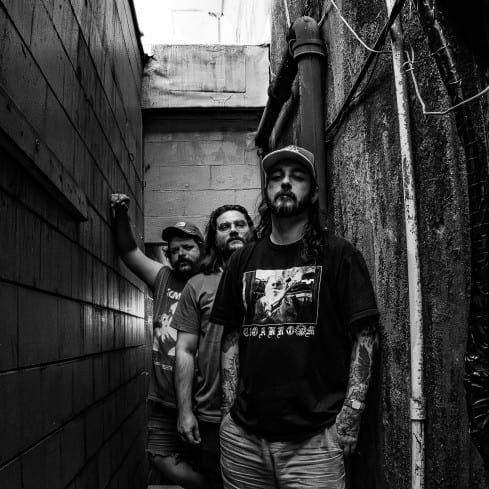
The fact that such underground acts are gaining recognition alongside major international releases and celebrity collaborations shows American metal's remarkable diversity. This ecosystem supports everything from the most experimental underground acts to stadium-filling legacy performers.
For new metal bands 2026, this environment offers unprecedented opportunities for creative expression and audience development. The infrastructure now exists to support acts across the entire spectrum of metal's creative possibilities.
Looking Forward: Genre Evolution and Market Expansion
The convergence of international influence, celebrity involvement, and underground innovation positions American metal for continued growth and creative evolution. The willingness to embrace collaboration across genre boundaries while maintaining core authenticity suggests a mature artistic movement confident in its identity.
As touring schedules solidify for 2026 and beyond, American metal appears poised to benefit from both domestic innovation and international cross-pollination. The key will be maintaining the underground authenticity that gives the genre its power while embracing the broader cultural impact these high-profile collaborations can generate.
The current moment represents American metal at its most expansive and experimental, with room for both the most underground extreme acts and the most mainstream celebrity collaborations to coexist and influence each other's creative development.