Ticket Revolution and Legendary Partnerships: Live Nation's $30 Deal Democratizes Access While Metal Veterans Launch New Projects
The American metal landscape is experiencing a seismic shift in accessibility and veteran creativity as Live Nation's groundbreaking $30 ticket initiative collides with a wave of legendary musicians launching ambitious new projects. From Iron Maiden's stadium spectacles to Jason Newsted's intimate club tours, the industry is simultaneously embracing mass accessibility and boutique artistry in ways that could fundamentally reshape how metal reaches its audience.
The Great Democratization: Live Nation's Game-Changing Ticket Strategy
Live Nation's decision to offer $30 tickets for major acts including Iron Maiden, Guns N' Roses, and Avenged Sevenfold represents more than a promotional stunt—it's a direct challenge to the pricing crisis that has plagued American metal touring for the past decade. When tickets for major metal acts routinely exceed $150, this initiative creates unprecedented access for younger fans and working-class metalheads who've been increasingly priced out of the live experience.
The inclusion of Breaking Benjamin alongside Shinedown and Godsmack in this program signals Live Nation's recognition of alternative metal's enduring draw. Breaking Benjamin's ability to fill arenas while maintaining their alternative metal authenticity makes them ideal candidates for this accessibility experiment, potentially exposing their introspective hard rock to entirely new demographics.
This pricing revolution comes at a crucial moment for American metal scenes. Regional venues have struggled with attendance as major touring costs have skyrocketed, forcing many best metal bands to choose between financial viability and fan accessibility. Live Nation's experiment could establish new industry standards that trickle down to smaller venues and emerging acts.
Jason Newsted's Chophouse Revolution: From Metallica to Intimate Artistry
Jason Newsted's announcement of his first headlining North American tour with The Chophouse Band represents a fascinating counterpoint to the mega-tour accessibility trend. Rather than leveraging his Metallica fame for arena spectacles, Newsted is choosing intimate venues that prioritize musical connection over commercial scale. This approach reflects a growing trend among metal veterans who are prioritizing artistic fulfillment over maximum revenue.
The Chophouse Band project demonstrates how Rock and Roll Hall of Fame inductees are redefining post-legacy career strategies. Instead of endless reunion tours or nostalgic cash grabs, Newsted is building something entirely new while remaining connected to his metal roots. This model could inspire other metal veterans to explore creative territories beyond their established personas.
For American metal scenes, Newsted's touring approach offers valuable lessons about building sustainable, artistically driven career paths. His choice to headline smaller venues creates opportunities for local opening acts and strengthens regional music ecosystems in ways that massive arena tours cannot match.
Wolfgang Van Halen's Strategic Empire Building
Wolfgang Van Halen's expansion of Mammoth's touring schedule represents sophisticated career architecture that balances legacy expectations with independent artistic growth. The announcement of additional headline dates alongside support slots for Creed demonstrates strategic thinking about audience development and brand building that goes far beyond simple tour promotion.
Van Halen's approach to building Mammoth as a distinct entity separate from his family's musical legacy offers a blueprint for how second-generation metal musicians can honor their heritage while establishing independent artistic identities. His Grammy nomination validates this strategy, proving that authentic creative development can compete with nostalgic expectations.
The timing of these summer dates creates interesting dynamics within the broader American hard rock touring landscape. By positioning Mammoth between headlining club dates and supporting major arena acts, Van Halen is methodically building the band's audience while maintaining artistic control over their presentation and musical direction.
International Metal's American Invasion Strategy
The simultaneous announcements of major European metal acts planning extensive American tours reveals sophisticated understanding of the US metal scene's appetite for diverse heavy music experiences. Finnish folk metal masters Ensiferum's partnership with Greek power metal veterans Firewind for their "Winter Storm Over North America" campaign demonstrates how international acts are creating package tours specifically designed for American metal audiences.
This strategic approach to American touring reflects the maturation of global metal scenes and their recognition of the United States as a crucial market for career development. Rather than treating American dates as afterthoughts to European tours, these bands are crafting experiences specifically for American metal fans' preferences and venue expectations.
The success of these international touring strategies could influence American metal bands' approach to building global audiences. As European acts demonstrate sophisticated understanding of American metal scenes, domestic bands may need to elevate their own international touring strategies to remain competitive in the global metal marketplace.
Supergroup Formations and Label Power Moves
The emergence of Kill Chain, featuring members from established acts like Comeback Kid, signals a vibrant supergroup trend within American metal and hardcore scenes. Their debut single "Never Been Yours" represents more than just another side project—it's evidence of experienced musicians actively pushing creative boundaries rather than resting on established band achievements.
These collaborative projects reflect the interconnected nature of modern American metal scenes, where musicians maintain multiple creative outlets simultaneously. This approach creates more diverse musical opportunities while strengthening the overall community through cross-pollination between different metal subgenres and regional scenes.
The formation of bands like Kill Chain also demonstrates how veteran musicians are adapting to modern music industry realities. Rather than committing exclusively to single projects, experienced players are building diverse creative portfolios that provide multiple revenue streams and artistic outlets.
Digital Platforms and Metal Documentation
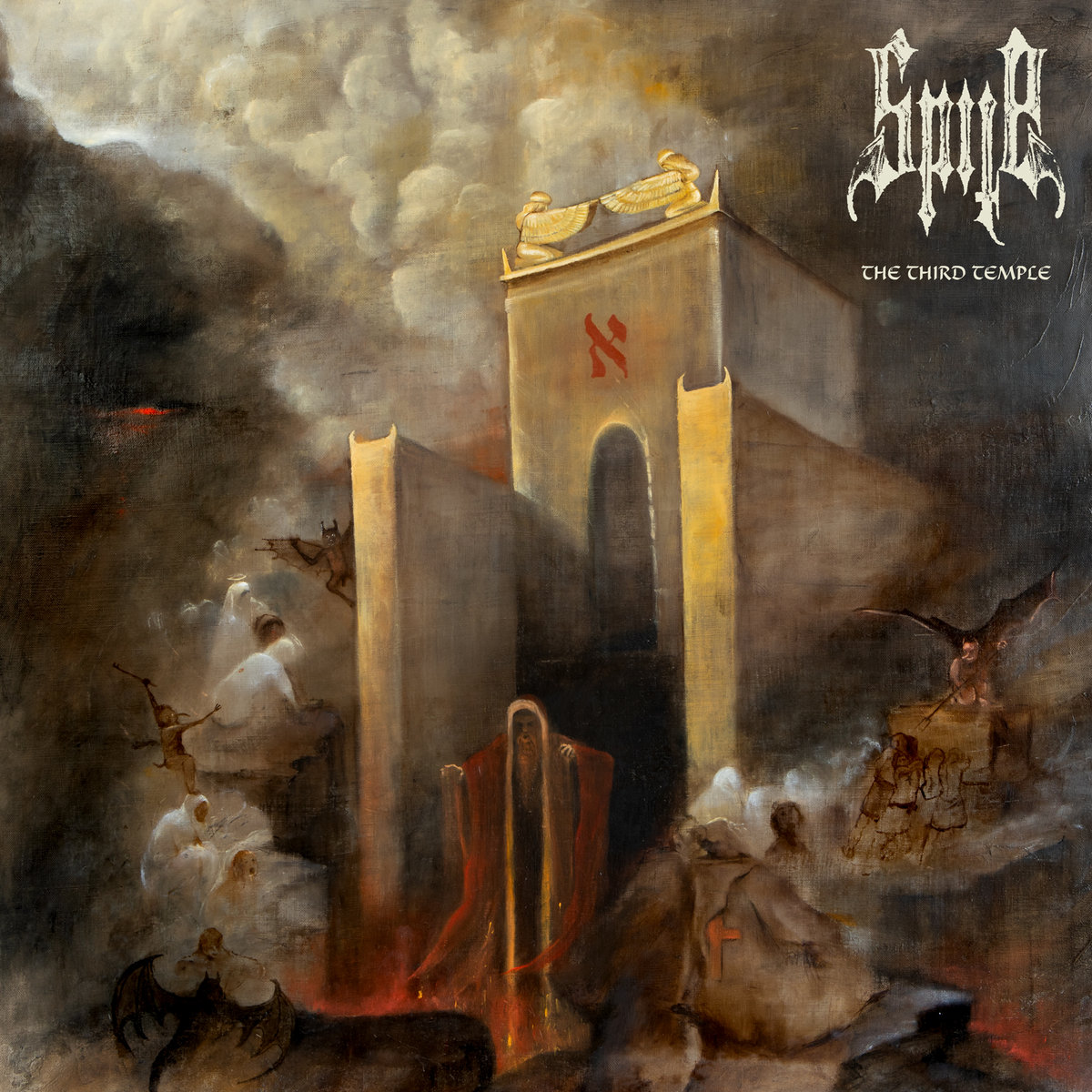
Audiotree's aggressive expansion into metal programming, featuring sessions from acts like Spite, Currents, and Bleed From Within, represents a crucial development in how American metal reaches audiences through digital platforms. These professionally produced sessions provide new metal bands 2026 exposure opportunities that traditional media outlets cannot match, while giving established acts intimate presentation formats.
The platform's focus on metal content reflects the genre's strong performance in digital streaming and video consumption. As traditional music television continues declining, platforms like Audiotree fill crucial gaps in metal music documentation and promotion, creating new pathways for fan discovery and engagement.
This trend toward specialized digital metal programming could influence how American metal bands approach promotional strategies. Rather than pursuing general-interest media coverage, acts may increasingly focus on genre-specific platforms that deliver more engaged, targeted audiences.
The Experimental Edge: Genre Boundaries Continue Dissolving
Loathe's announcement of their first album in six years, featuring collaborations with artists spanning jazz, electronic, and alternative genres, exemplifies how modern metal acts are embracing creative cross-pollination. Their approach to "A Stranger To You" demonstrates sophisticated understanding of how metal can incorporate diverse influences without losing its essential heaviness.
This experimental approach reflects broader trends within American metal scenes, where bands increasingly view genre boundaries as creative opportunities rather than restrictive limitations. The success of such experimental approaches could influence how metal bands touring 2026 approach their live presentations and studio work.
Russell Allen's hints about future solo material similarly suggest that established metal musicians are exploring creative territories beyond their main band commitments. These solo projects often provide artists opportunities to experiment with styles that might not fit their primary musical outlets.
Looking Forward: American Metal's Evolving Landscape
The convergence of accessibility initiatives, veteran creativity, international touring strategies, and digital platform expansion suggests American metal is entering a period of unprecedented diversity and opportunity. From $30 arena tickets to intimate club tours, from experimental albums to traditional power metal, the current landscape offers something for every type of metal fan.
This diversity creates opportunities for emerging American metal acts to find their audiences more easily while learning from the strategic approaches of established artists. The combination of accessible major tours and creative veteran projects provides educational examples for how metal careers can develop in multiple directions simultaneously.
As these trends continue developing throughout 2026, American metal scenes are positioned to benefit from increased accessibility, creative experimentation, and sophisticated career development strategies that could establish new industry standards for years to come. The current moment represents not just a busy touring season, but a fundamental evolution in how metal music reaches its audiences and builds sustainable creative communities.