Reunion Magic and Solo Ventures: Queens of the Stone Age's Desert Return Sparks New Creative Chapters
The California desert has always held special significance for Queens of the Stone Age, but their recent Joshua Tree performance with returning bassist Nick Oliveri carried extra weight as the band delivered "Auto Pilot" live for the first time in over a decade. The reunion moment represents more than nostalgic fan service—it signals a broader trend of veteran acts revisiting their roots while simultaneously pushing into uncharted creative territory.
Desert Rock Renaissance
Queens of the Stone Age's Joshua Tree performance with Oliveri marks a significant moment for the stoner rock movement that emerged from California's desert scenes in the 1990s. The band's willingness to resurrect deep cuts like "Auto Pilot" alongside classic lineup configurations demonstrates how metal bands touring 2026 are increasingly focused on delivering unique experiences rather than predictable greatest-hits packages.
The stoner metal genre that QOTSA helped define continues influencing a new generation of American bands. Acts like Cosmic Lung are carrying forward the heavy, psychedelic-tinged sound that originated in these desert communities, proving the lasting impact of the movement.
Thrash Metal's Unfinished Business
Meanwhile, Megadeth's decision to finally perform their version of "Ride the Lightning" live adds another layer to metal's most famous breakup story. Dave Mustaine's co-writing credit on the Metallica classic has been acknowledged for decades, but hearing Megadeth's interpretation performed live brings new context to the song's place in thrash metal history.
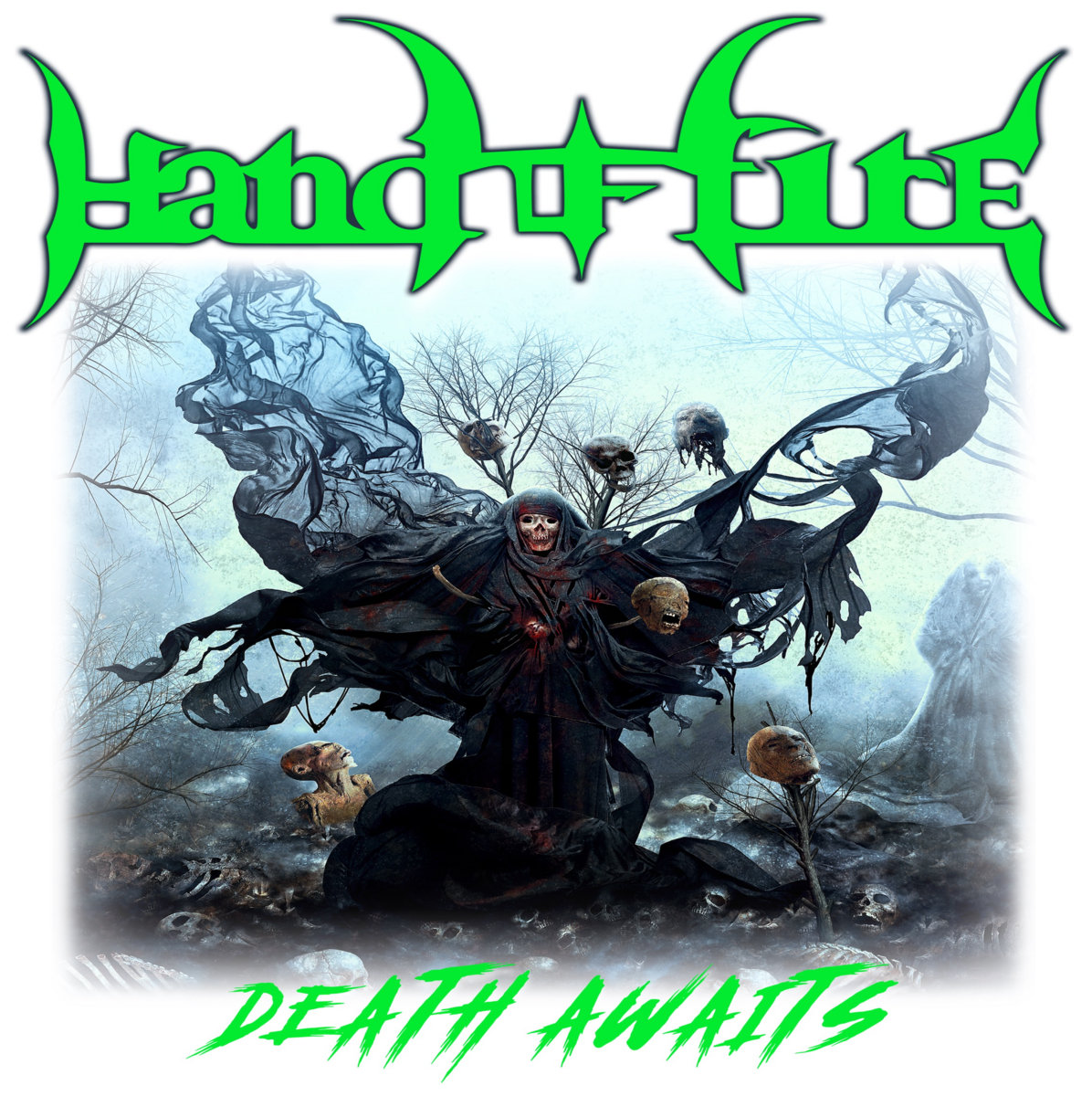
The performance highlights how 80s metal bands continue finding ways to recontextualize their early material. For thrash enthusiasts, witnessing Megadeth's take on material that predates Mustaine's departure from Metallica offers a glimpse into alternative metal history. Bands like Vetsynis and Hand of Fire represent the current generation carrying forward thrash metal's confrontational spirit.
Multi-Generational Creative Evolution
Chad Gray's "30 Years of Madness" solo venture represents another fascinating development in metal's ongoing evolution. Drawing from his extensive catalog with both Mudvayne and Hellyeah, Gray's Las Vegas performance demonstrated how veteran frontmen are finding new ways to present their life's work outside traditional band contexts.
The backing band configuration—featuring musicians from both of Gray's main projects—suggests these solo presentations aren't simply acoustic reimaginings but full-scale reinterpretations of familiar material. This approach allows established artists to explore different facets of their songwriting without the pressures of full band dynamics or label expectations.
Genre-Defying Partnerships
Nonpoint's Tampa performance of unreleased tracks "Is It" and "Red Yeti" showcases how established acts continue pushing their sound forward while maintaining core identities. The Florida band's decision to debut new material during their "Outta Control Tour" reflects confidence in their evolving creative direction.
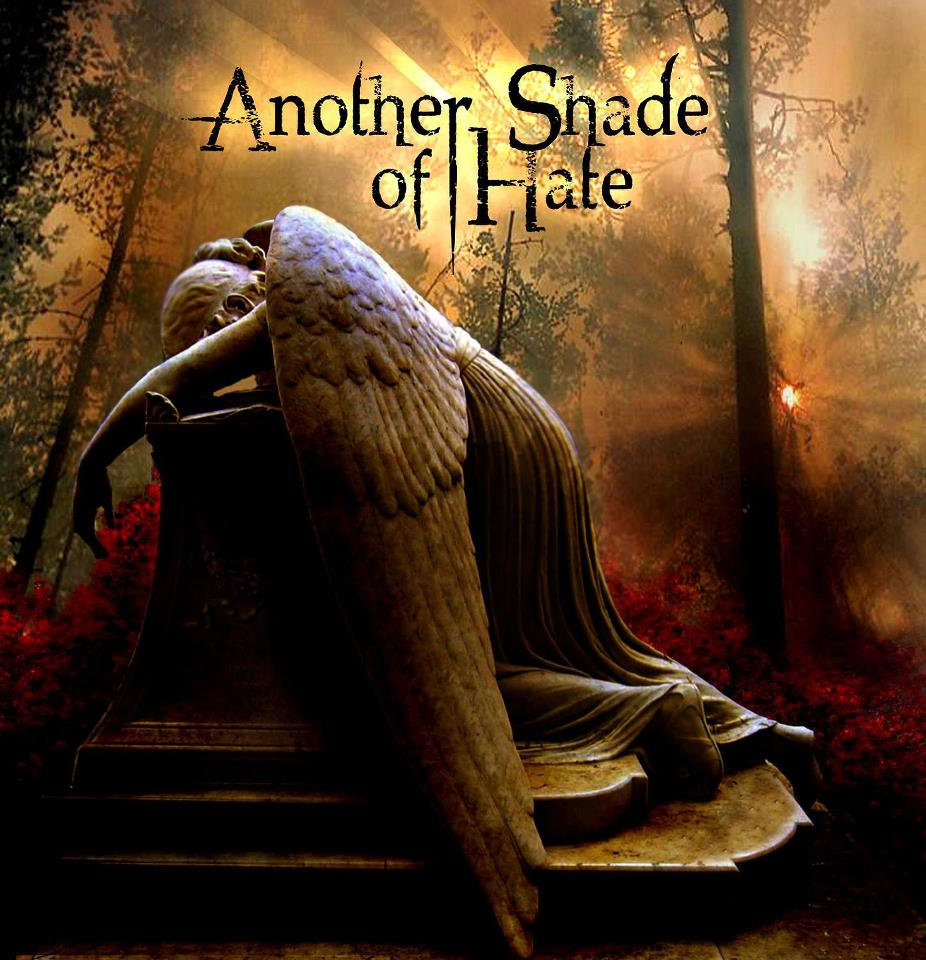
For groove metal practitioners, Nonpoint's continued evolution provides a template for bands seeking to expand their sonic palette without abandoning their fundamental heaviness. Acts like Torn Away and Another Shade of Hate represent the current generation of American groove metal, building upon foundations laid by pioneers while incorporating contemporary influences.
Lineup Changes and Creative Continuity
Sully Erna's confirmation of future Godsmack music without original members raises important questions about band identity and creative ownership. While some fans resist lineup changes, Erna's approach suggests confidence in Godsmack's musical DNA transcending specific personnel configurations.
This development parallels broader discussions within American metal about authenticity versus evolution. The most successful acts often find ways to maintain their essential character while allowing for natural creative growth and personnel changes. Erna's public relationship with Dorothy's lead singer also suggests potential collaborative directions that could influence Godsmack's future sound.
Return to Form Movements
Rival Sons' Jay Buchanan discussing a potential "return to form" with "high-energy sound" reflects a broader trend among established rock and metal acts. Rather than constantly pushing into experimental territory, many bands are recognizing the value in revisiting and refining their core strengths.
This approach doesn't necessarily mean creative stagnation. Instead, it suggests maturity in understanding what connects with audiences while leaving room for subtle evolution within established parameters. For newer bands watching these developments, the lesson seems clear: master your fundamental identity before attempting radical departures.
International Recognition for American Doom
Chicago doom metal pioneers Trouble's "old-school set" at Germany's Keep It True festival demonstrates how best metal bands from America continue influencing global scenes decades after their formation. The band's decision to focus heavily on early material suggests recognition of their historical importance while satisfying international audiences hungry for authentic American doom metal.
Trouble's European performance also highlights how American doom and sludge metal maintain strong followings internationally. The genre's emphasis on heavy, hypnotic riffs and atmospheric dynamics continues inspiring bands worldwide, with acts like Electric Satan representing the current American doom underground.
Neoclassical Metal's Ongoing Evolution
Yngwie Malmsteen's completion of his most "neoclassical" album in years signals continued vitality within power metal and neoclassical metal subgenres. Despite changing musical landscapes, technical virtuosity and classical influences maintain dedicated followings among both musicians and fans.
For American power metal practitioners, Malmsteen's continued creativity provides inspiration for maintaining technical excellence while exploring new compositional territories. The genre's emphasis on musicianship and compositional complexity offers alternatives to more commercially-oriented metal styles.
Looking Forward
These developments collectively suggest American metal's continued health and diversity. From desert rock reunions to thrash metal historical revisionism, from solo ventures to international festival appearances, the genre demonstrates remarkable adaptability while maintaining connection to its foundational elements.
The most encouraging aspect of these stories involves established acts finding new ways to engage with their material and audiences. Rather than simply recycling past glories, bands are discovering creative approaches to presenting their life's work while remaining open to future possibilities.
As new metal bands 2026 emerge and develop their own identities, they can learn from these veterans' approaches to creative longevity, lineup evolution, and audience engagement. The metal scene's continued vitality depends on this balance between honoring tradition and embracing change.