Doom Pioneers and Neoclassical Masters: Chicago Legends Return While Swedish Virtuoso Completes Studio Epic
The global metal stage is witnessing a fascinating convergence of doom metal nostalgia and neoclassical virtuosity, as Chicago doom pioneers Trouble deliver career-spanning performances while Swedish guitar master Yngwie Malmsteen puts the finishing touches on his most ambitious studio work in years. These developments highlight how metal's established masters continue to push creative boundaries while honoring their foundational legacies.
Trouble's Old-School Mastery Takes European Stages
Chicago doom metal legends Trouble recently demonstrated their enduring power with a professionally filmed performance at Germany's Keep It True festival, delivering what organizers described as an "old-school set" that focused heavily on their pioneering early material. The performance showcases why Trouble remains one of the most influential bands in American metal history, having helped establish the template for doom metal that countless bands continue to follow.
The significance of Trouble's European showcase extends beyond mere nostalgia. As one of the foundational acts that emerged from Chicago's heavy music scene in the 1980s, their approach to combining heavy, downtuned riffs with melodic sensibilities helped create a distinctly American interpretation of doom that differed from their British contemporaries. This old-school focus demonstrates how the best metal bands of previous decades continue to influence contemporary acts while maintaining their own artistic integrity.
For American doom metal acts looking to understand their genre's DNA, Trouble's performance offers a masterclass in dynamics and atmosphere. Local doom practitioners like Spirit Division and King of Undeath can study how veteran acts maintain heaviness without sacrificing melody, a balance that continues to define the most effective doom metal compositions.
Yngwie's Neoclassical Return
Meanwhile, Swedish guitar virtuoso Yngwie Malmsteen has completed recording his first solo album in five years, promising a return to his neoclassical roots. In recent interviews conducted in Brazil, Malmsteen emphasized that the new material will be "very neoclassical," suggesting a deliberate return to the baroque-influenced compositions that made him a household name among metal guitar enthusiasts.
This development carries particular significance for American metal's relationship with technical proficiency and classical influences. Malmsteen's impact on the US metal scene during the 1980s cannot be overstated – his fusion of classical composition techniques with heavy metal aggression inspired countless American guitarists to expand their harmonic vocabulary and technical capabilities.
The timing of Malmsteen's neoclassical focus aligns with broader trends in American metal, where technical proficiency and compositional sophistication continue to gain prominence. Progressive metal acts like Chronicles represent the evolution of these influences, combining djent-inspired rhythmic complexity with the kind of harmonic sophistication that Malmsteen pioneered decades ago.
Solo Projects and Creative Freedom
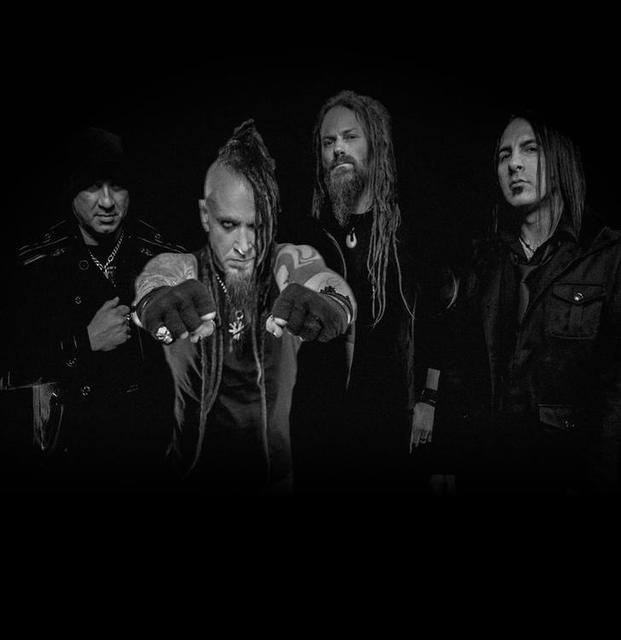
The trend toward solo projects and creative exploration continues to reshape how established metal musicians approach their careers. Chad Gray's recent launch of his "30 Years of Madness" solo performances in Las Vegas represents another example of veteran metal vocalists seeking new creative outlets beyond their established band contexts. Gray's decision to perform solo material while backed by musicians from both Mudvayne and Hellyeah demonstrates how metal bands touring 2026 are adapting to changing industry dynamics.
Similarly, John Corabi's release of his debut solo album "New Day" and its accompanying music video for "1969" illustrates how former members of legendary bands continue to contribute meaningful material to the metal landscape. Corabi's post-Mötley Crüe career trajectory shows how experienced vocalists can find new audiences while drawing on decades of performance experience.
The Health and Longevity Factor
Recent news of Bruce Kulick's successful heart valve surgery serves as a reminder of the physical challenges facing metal's veteran performers. The 72-year-old former Kiss guitarist's recovery highlights both the dedication required to maintain decades-long careers in heavy music and the importance of health considerations for aging metal icons. Kulick's extensive catalog with Kiss during the 1980s and 1990s places him among the architects of American arena metal, and his continued activity demonstrates the resilience that defines metal's most enduring figures.
International Reconnections
Australian thrash pioneers Mortal Sin's return to European festivals after a 14-year absence demonstrates how international metal relationships continue to evolve and reconnect. While not American acts, their presence at major European festivals alongside bands like Trouble illustrates the global network that supports metal's veteran acts and provides context for how American bands position themselves in international markets.
This international dimension becomes increasingly important for new metal bands 2026 seeking to understand how career longevity works in the global metal ecosystem. American acts benefit from studying how veteran international bands maintain relevance and audience connection across extended periods of relative inactivity.
Power Metal's Continuing Evolution
The collaboration between Greek guitar virtuoso Gus G and former Iced Earth vocalist Matt Barlow on "Dancing With Death" showcases how power metal continues to evolve through strategic partnerships. While Gus G made his mark with Ozzy Osbourne and Firewind, his willingness to collaborate with vocalists from different metal subgenres demonstrates the cross-pollination that keeps power metal vital.
American power metal acts like Cryptic Ruins can learn from these international collaborations, understanding how genre boundaries continue to blur in productive ways. The fusion of modern metal production with traditional power metal songwriting approaches offers templates for emerging American acts seeking to carve out distinctive niches.
Documentation and Legacy Preservation
Blood Incantation's upcoming "All Gates Open" documentary and soundtrack release represents another evolution in how metal bands document and preserve their creative processes. This trend toward multimedia documentation extends beyond simple promotional activities, creating comprehensive artistic statements that contextualize musical releases within broader creative narratives.
For American extreme metal acts, Blood Incantation's approach offers a model for how technical death metal bands can expand their artistic reach while maintaining underground credibility. The documentary format allows bands to explain complex compositional approaches and philosophical concepts that might not be immediately apparent from musical releases alone.
Looking Forward
These developments collectively illustrate how metal's established acts continue to shape the genre's future through strategic creative decisions, international collaborations, and multimedia approaches to artistic expression. Whether through Trouble's old-school mastery, Malmsteen's neoclassical return, or various solo projects and collaborations, veteran metal musicians demonstrate that longevity comes through continued creative evolution rather than simple repetition of past successes.
American metal bands at all career stages can draw lessons from these approaches, understanding that artistic sustainability requires balancing respect for foundational influences with willingness to explore new creative territories. The intersection of doom metal tradition, neoclassical sophistication, and contemporary production techniques continues to offer fertile ground for innovation within established metal frameworks.