Legacy Tours and Comic Book Universes: American Metal Icons Expand Multimedia Empires While Celebrating Foundational Eras
The American metal landscape is witnessing an unprecedented expansion into multimedia storytelling and era-specific touring, as established acts leverage their cultural influence beyond traditional album cycles. This shift represents a fundamental evolution in how metal bands maintain relevance while honoring their foundational periods.
Puscifer's Graphic Novel Expansion
Maynard James Keenan continues cementing his reputation as metal's most ambitious multimedia architect with Puscifer's ongoing comic book series "Tales From The Pusciverse." The third installment focuses on The Synth Whisperer character, demonstrating how American metal acts are creating interconnected narrative universes that extend far beyond their musical output.
This approach represents a sophisticated understanding of modern fan engagement. Rather than simply releasing albums and touring, Puscifer has constructed an entire fictional ecosystem that allows fans to dive deeper into the band's conceptual framework. The comic series serves as both artistic expression and clever merchandising, creating additional revenue streams while maintaining creative integrity.
For underground acts observing this strategy, the lesson is clear: successful modern metal bands must think beyond traditional formats. While not every band can launch a comic series, the principle of expanding narrative universes through various media formats offers a blueprint for sustained fan engagement.
Collaborative Album Strategies
Stitched Up Heart's collaboration with Nonpoint's Elias Soriano on their track "BEAST" signals another trend reshaping American metal: the strategic guest appearance album. Their upcoming "MEDUSA" release reportedly features numerous guest collaborations, reflecting how bands are leveraging cross-pollination to expand their audience reach.
This collaborative approach serves multiple purposes beyond creative inspiration. Guest appearances create natural promotional partnerships, with each featured artist bringing their fanbase to the project. For mid-tier American metal acts, these collaborations can provide crucial exposure that traditional touring and radio play no longer guarantee.
The strategy also reflects metal's increasingly interconnected community structure. Rather than competing solely for audience attention, bands are recognizing the benefits of mutual support and cross-promotion. This collaborative spirit is particularly vital for American metal acts navigating an oversaturated marketplace where standing out requires innovative approaches.
Dream Theater's Rush Enthusiasm
Mike Portnoy's excitement about Rush's "Fifty Something" tour highlights progressive metal's deep reverence for its foundational influences. As one of progressive metal's most respected drummers, Portnoy's endorsement carries significant weight within the American metal community, particularly for bands exploring complex musical structures.
His comments reflect how 80s metal bands continue influencing contemporary American progressive metal acts. Rush's technical precision and conceptual ambition established templates that bands like Dream Theater have built upon for decades. The upcoming tour represents more than nostalgia—it's a masterclass in progressive composition that current bands can study and learn from.
For American progressive metal acts like Signed in Black, who blend progressive elements with death and thrash metal approaches, observing how Rush constructs their setlists and maintains technical excellence across decades provides valuable insights into career longevity.
Era-Specific Touring Concepts
Richie Faulkner's desire to focus Judas Priest tours around their "Screaming For Vengeance" and "Defenders Of The Faith" albums represents a growing trend toward era-specific touring. Rather than playing greatest hits compilations, bands are recognizing the appeal of deep-dive experiences that explore specific creative periods in detail.
This approach offers several advantages for established metal acts. Era-specific tours create unique experiences that encourage multiple concert attendances from dedicated fans. They also allow bands to showcase album tracks that rarely receive live treatment, providing fresh experiences even for longtime followers.
For American metal acts with substantial catalogs, this strategy could prove particularly valuable. Bands with multiple distinct creative periods can design touring cycles around each era, maximizing the promotional potential of their back catalogs while offering fans specialized experiences.
Next-Generation Album Development
Tommy Victor's descriptions of Prong's upcoming album as "faster" and "more diverse" than their previous effort illustrate how veteran American metal acts approach creative evolution. Rather than repeating successful formulas, established acts are pushing themselves toward new territory while maintaining their core identity.
This balance between innovation and consistency represents one of metal's greatest challenges. Fans expect familiar elements that define a band's sound, but they also crave progression and growth. Victor's approach of increasing speed while expanding diversity suggests a sophisticated understanding of how to evolve without alienating existing audiences.
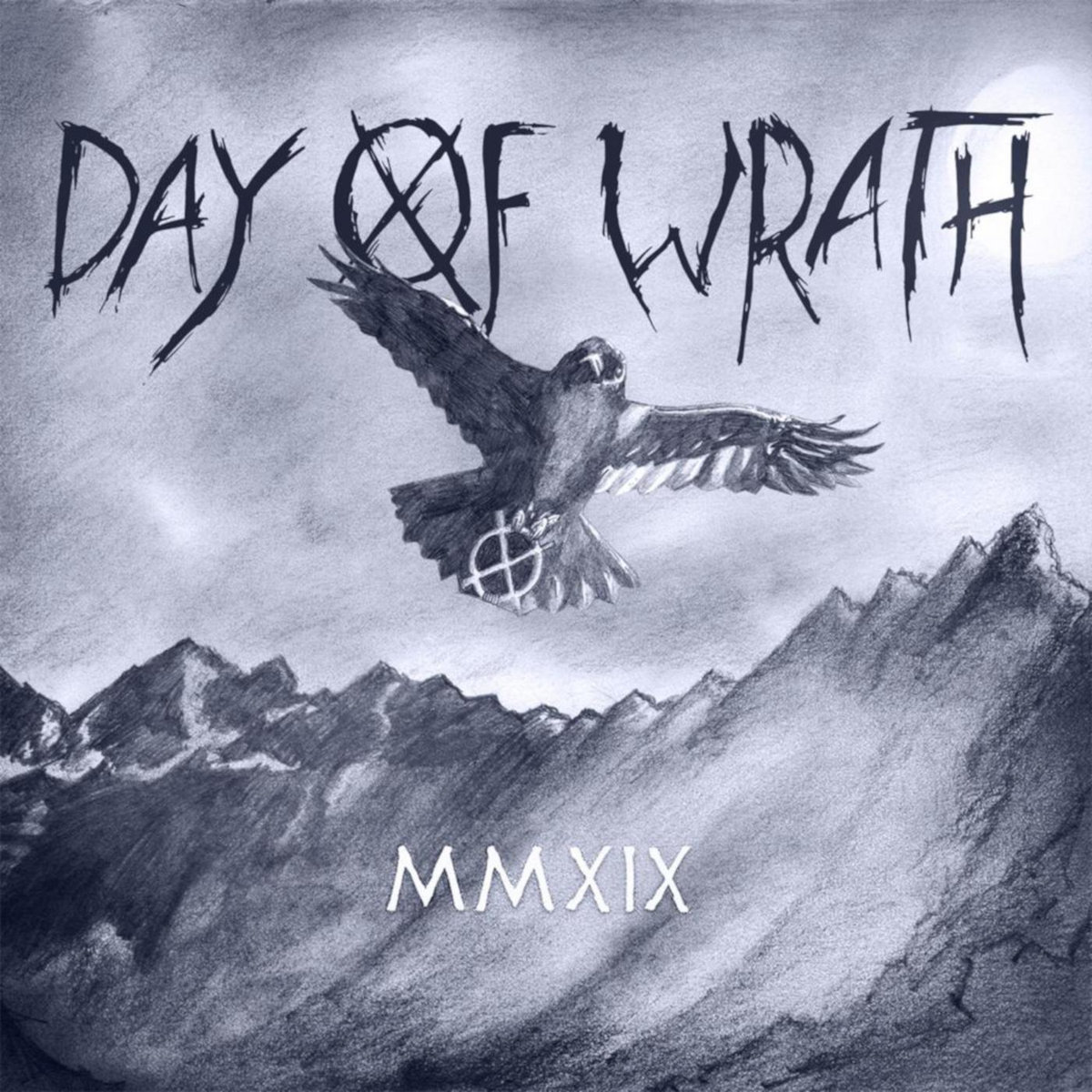
American thrash metal acts like Day of Wrath and Solace in Murder can learn from this approach, recognizing that successful career longevity requires constant creative challenge while respecting the elements that initially attracted fans.
West Coast Touring Partnerships
The Sword and Red Fang's co-headlining West Coast tour for 2026 demonstrates how established stoner and doom metal acts are approaching touring economics. By sharing headlining duties, both bands can access larger venues and split costs while offering fans double the value.
This partnership model is becoming increasingly important for mid-tier American metal acts facing rising touring costs and venue availability challenges. Co-headlining arrangements allow bands to maintain their status while managing financial risks, particularly important for genres like stoner and doom metal that may not command the same ticket prices as more mainstream metal subgenres.
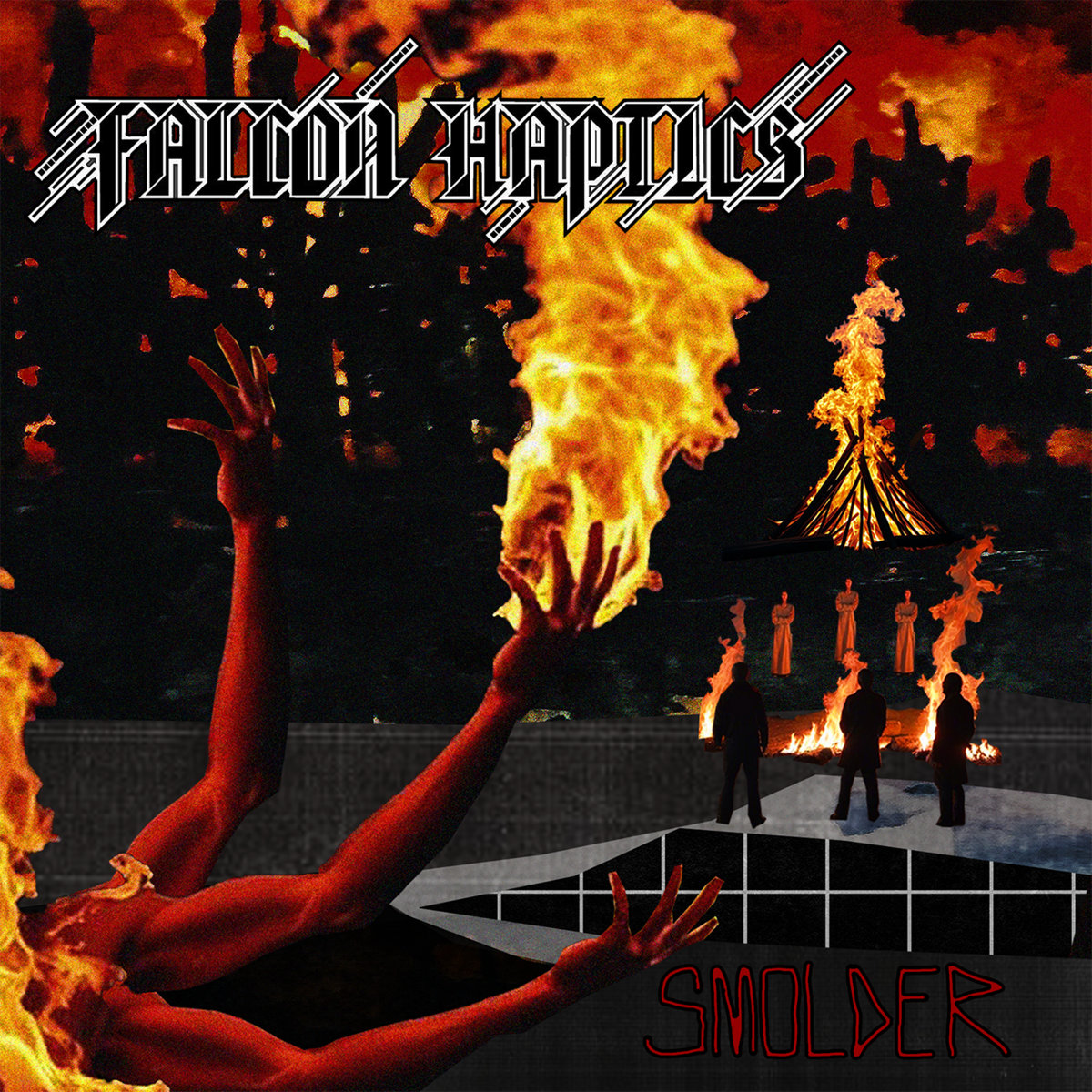
Regional acts in similar territories, such as stoner metal bands Amnesia and Falcon Haptics, should observe how established acts structure these partnerships, as the model could provide pathways for expanding their own touring reach beyond local markets.
Creative Cross-Pollination Effects
Dave Lombardo's recent comments about "absorbing" what other Big Four thrash bands were doing in the 1980s reveals how competitive awareness drove creative innovation during metal's foundational period. His acknowledgment of intentional listening and learning from peers illustrates the collaborative competition that elevated the entire American thrash metal scene.
This historical perspective offers crucial insights for contemporary American metal acts. Rather than viewing other bands purely as competition, the most successful acts treat their peers as inspiration sources and collaborative partners. The cross-pollination between Slayer, Metallica, Megadeth, and Anthrax during the 1980s created a rising tide that elevated all participants.
Modern American metal scenes can apply this principle by fostering supportive communities where bands share knowledge, tour together, and push each other toward creative excellence. Regional scenes thrive when acts view themselves as part of a collective movement rather than isolated competitors.
Legacy Act Positioning
The continued activity from heritage acts like Judas Priest, combined with their career-spanning greatest hits collections, demonstrates how legendary bands maintain relevance while honoring their histories. These releases serve multiple purposes: introducing younger fans to deep catalog cuts, providing comprehensive overviews for casual listeners, and generating revenue streams that support continued touring and recording.

For what metal bands are touring in 2026, observing how heritage acts balance nostalgia with contemporary relevance provides valuable lessons. The most successful legacy acts don't simply replay their past—they contextualize their history within ongoing creative development.
American metal acts aspiring to similar longevity should note how these established bands treat their catalogs as living documents rather than museum pieces, finding ways to present classic material in fresh contexts that serve both longtime fans and new audiences.
Looking Forward
These developments collectively illustrate American metal's maturation as both an artistic medium and entertainment industry. The expansion into comics, strategic collaborations, era-specific touring, and cross-generational mentorship all demonstrate sophisticated approaches to career development that extend far beyond traditional album-tour cycles.
For emerging American metal acts, these trends offer multiple pathways for building sustainable careers. Whether through multimedia expansion, collaborative projects, or innovative touring concepts, the contemporary metal landscape rewards creativity and strategic thinking as much as musical excellence.