Thrash Legends and Progressive Reunions: Slayer's Reign in Blood Anniversary Collides with Nevermore's New Chapter
The American metal landscape is experiencing a fascinating convergence of legendary anniversaries and ambitious reunions, with thrash titans Slayer preparing to celebrate four decades of Reign in Blood while progressive powerhouses Nevermore craft their comeback narrative with fresh blood in their ranks.
Slayer's Blood-Soaked Anniversary Campaign
California's thrash metal architects are dusting off their most influential album for a pair of special anniversary performances that will see Reign in Blood performed in its devastating entirety. The 1986 masterpiece, clocking in at just under 30 minutes of pure sonic brutality, established the template that countless best death metal bands would follow in the decades to come. These carefully selected shows represent Slayer's first Los Angeles performance in seven years, making them essential pilgrimage events for the American metal faithful.
The decision to limit these anniversary celebrations to just two performances speaks to Slayer's strategic approach to their legacy management. Rather than diluting the impact with an extensive tour, they're creating scarcity and significance around these milestone moments. For younger fans and emerging bands who've studied Reign in Blood as required listening among the best metal albums of all time, witnessing these songs performed live offers a direct connection to thrash metal's foundational era.
The timing couldn't be more relevant for the current US metal scene. As newer acts struggle to achieve the same level of cultural impact that defined the 80s metal bands, Slayer's anniversary celebration serves as both inspiration and challenge. The album's influence extends far beyond thrash, shaping everything from death metal's relentless pace to black metal's atmospheric darkness.
Nevermore's Strategic Resurrection
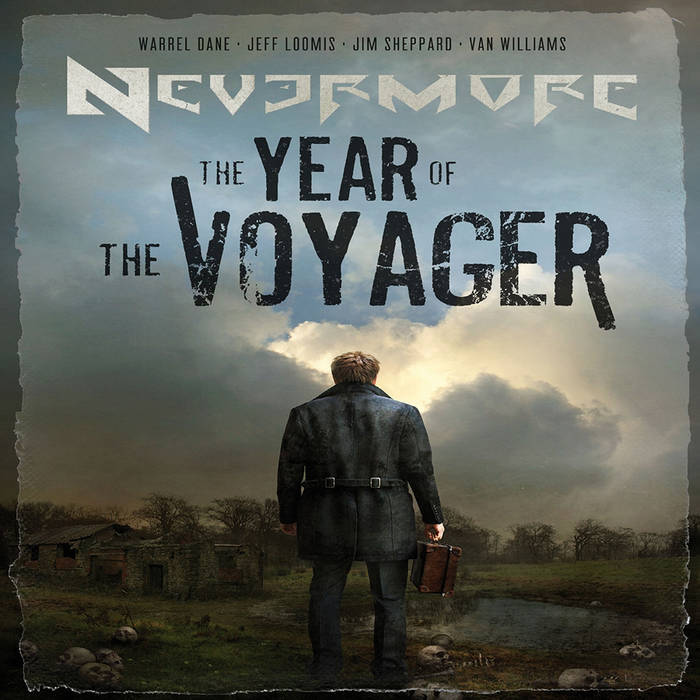
Meanwhile, Washington's progressive metal veterans Nevermore are approaching their reunion with methodical precision, carefully selecting new members to complement Jeff Loomis's virtuosic guitar work. The band's recent performance footage reveals a group that hasn't simply reformed but has evolved, incorporating fresh perspectives while maintaining the technical prowess that defined their original run.
The recruitment process for Nevermore's new lineup represents a masterclass in band chemistry cultivation. Rather than rushing into reunion mode with whoever was available, they've taken time to find musicians who can both honor the band's progressive legacy and push their sound forward. This approach distinguishes them from countless reunion efforts that rely purely on nostalgia without considering artistic growth.
For the broader progressive metal community, Nevermore's return arrives at a crucial moment. The genre has exploded in popularity over the past decade, with bands like Periphery bringing technical complexity to mainstream metal audiences. Having Nevermore back in the conversation provides a bridge between progressive metal's pioneering era and its current evolution, offering both historical context and renewed creative energy.
The Cherry-Flavored Rock Revival
On a completely different wavelength, the pairing of Buckcherry and Black Stone Cherry for multiple tour dates represents the ongoing vitality of American hard rock traditions. These aren't bands desperately clinging to past glories—they're actively crafting new material while honoring the swagger and attitude that made their predecessors legendary. Their "Roar Like Thunder" tour finale promises to deliver the kind of arena-ready rock anthems that seem increasingly rare in today's fragmented music landscape.
The festival circuit component of their tour strategy acknowledges how modern audiences consume live music. Rather than relying solely on traditional venue routing, they're maximizing exposure through strategic festival appearances that introduce their music to diverse audiences. This hybrid approach has become essential for metal bands touring 2026, as festivals offer promotional value that extends far beyond single concert attendance figures.
Underground Movements and Experimental Territories
Beneath these high-profile reunions and anniversaries, the American underground continues generating innovative approaches to heavy music. The sludge and doom metal scenes, in particular, are experiencing creative renaissance moments that rival the genre's early pioneers. Bands are incorporating elements from drone, ambient, and post-rock to create expansive sonic landscapes that push beyond traditional song structures.
The experimental tendencies emerging from today's new metal bands 2026 reflect broader cultural shifts toward boundary dissolution and genre fluidity. Where previous generations of metal musicians felt pressure to maintain strict stylistic adherence, current artists embrace cross-pollination as creative necessity. This evolution particularly benefits progressive metal acts who can now incorporate electronic elements, orchestral arrangements, and even hip-hop production techniques without facing genre purist backlash.
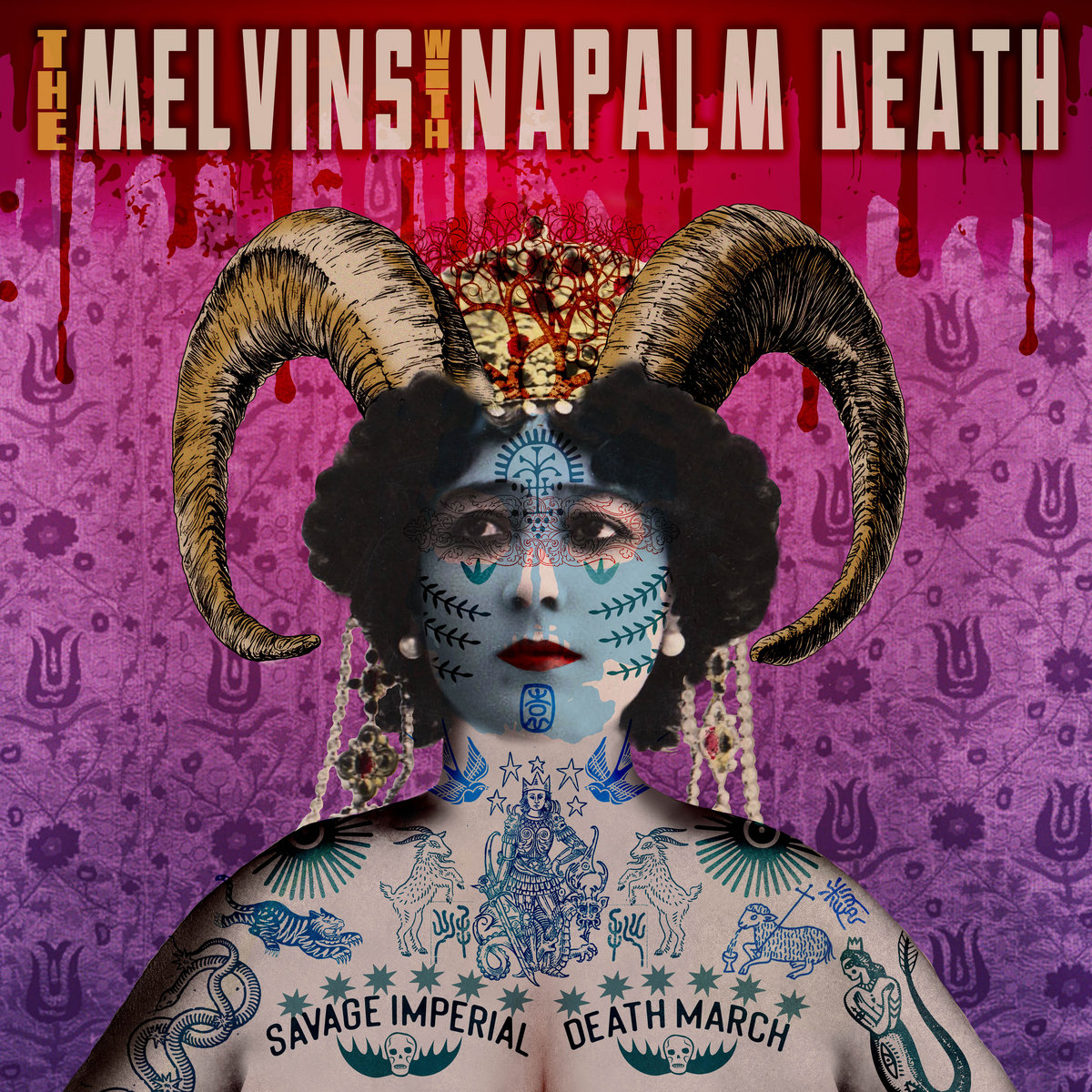
Regional scenes across America are developing distinct identities that reflect their local cultural influences. Pacific Northwest bands continue exploring the atmospheric territories pioneered by bands like Melvins, while East Coast acts gravitate toward more aggressive, politically-charged approaches that reflect urban intensity.
Legacy Acts and Industry Evolution
The current wave of anniversary celebrations and carefully planned reunions demonstrates how veteran acts are adapting to streaming-era economics while maintaining artistic integrity. Rather than simply re-recording old material or embarking on nostalgia-heavy tours, these bands are finding ways to contextualize their classic works within contemporary musical conversations.
This strategic approach benefits everyone involved. Younger fans gain access to legendary performances they might never have experienced otherwise, while veteran musicians can revisit their most celebrated work with decades of additional perspective and technical refinement. The resulting performances often surpass the original recordings in both emotional impact and musical sophistication.

For emerging artists, these anniversary celebrations and reunions provide valuable lessons in career longevity and artistic development. Observing how bands like Slayer and Nevermore approach their legacy management offers insights into sustainable music industry navigation that extends far beyond initial album cycles or touring phases.
Looking Forward Through Metal's Rearview Mirror
The simultaneous celebration of metal's past achievements and investment in its future evolution creates unique opportunities for cross-generational dialogue within the American heavy music community. When thrash legends share festival bills with progressive newcomers, both audiences and artists benefit from exposure to different approaches to heavy music creation and performance.

These connections become particularly important as the music industry continues fragmenting into smaller, more specialized audience segments. Major anniversary celebrations and high-profile reunions serve as unifying events that bring together diverse metal subcultures under shared appreciation for musical excellence and creative ambition.
The lasting impact of these current developments will likely extend far beyond individual album cycles or tour dates. They're establishing precedents for how veteran acts can remain relevant without compromising their artistic vision, while simultaneously creating space for newer artists to build upon established foundations without being constrained by them.
As American metal continues evolving, these moments of historical reflection and forward-thinking creativity remind us that the genre's greatest strength lies not in rigid traditionalism or wholesale innovation, but in the dynamic tension between honoring the past and embracing the unknown future.