Technical Death Metal Tours and Orchestral Ambitions: Canadian Masters Lead International Expansion While Hometown Heroes Claim Spotlight
The American metal scene is experiencing a fascinating dichotomy as international technical death metal acts prepare major touring campaigns while domestic artists achieve long-overdue recognition and explore ambitious new creative territories. From coast to coast, the landscape reveals both the global reach of extreme metal and the persistent strength of homegrown talent finally breaking through industry barriers.
Technical Death Metal's European Conquest
Canadian technical death metal virtuosos Archspire are preparing for a comprehensive European tour that promises to showcase the continent's appetite for hyperkinetic extreme metal. The tour will feature an impressive lineup of supporting acts, including Crown Magnetar, The Zenith Passage, and Analepsy—a combination that represents some of the most technically proficient death metal currently being created.
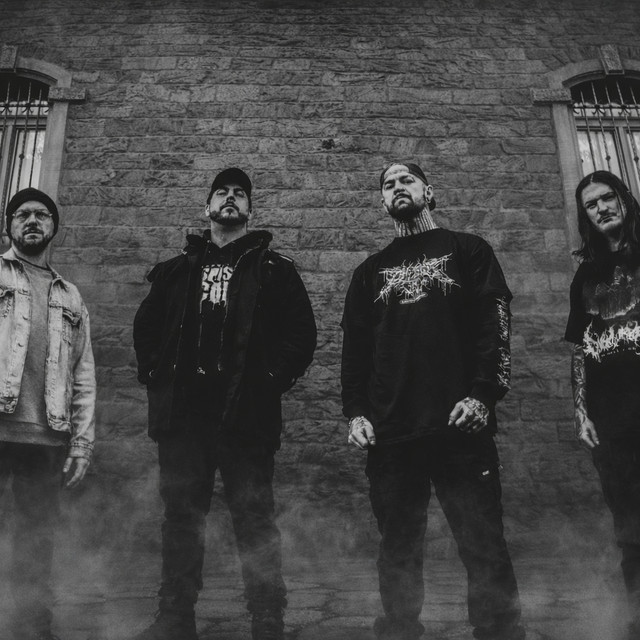
This European expedition highlights how American death metal scenes continue to influence and interact with international extreme metal communities. Crown Magnetar, representing the US contingent on this tour, brings their blend of death metal, deathcore, and NWOTHM influences to European audiences hungry for technical precision and crushing heaviness. Their inclusion on such a high-profile international tour demonstrates the growing recognition of American technical death metal acts beyond domestic borders.
For fans of technical death metal in the US, this tour represents the kind of international recognition that often precedes major domestic touring campaigns. The genre's emphasis on instrumental virtuosity and compositional complexity has found particularly receptive audiences in European metal festivals and venues, creating a pipeline for American acts to build international credibility before returning home with enhanced reputations.
Orchestral Metal Reaches New Heights
While technical death metal pushes boundaries through speed and complexity, Canadian metal maverick Devin Townsend is approaching extremity from an entirely different angle with his upcoming orchestral metal opus "The Moth." The 24-track record, described as his "life's work," represents over a decade of conceptual development and six years of active composition, culminating in what promises to be one of the most ambitious metal releases of 2026.
The new single "Home At Night" offers a glimpse into Townsend's vision of orchestral metal, a subgenre that remains relatively unexplored in American metal scenes despite its potential for dramatic impact. This approach to extreme music—emphasizing orchestration, dynamics, and emotional scope rather than pure aggression—suggests new directions for progressive metal artists looking to expand beyond traditional genre boundaries.
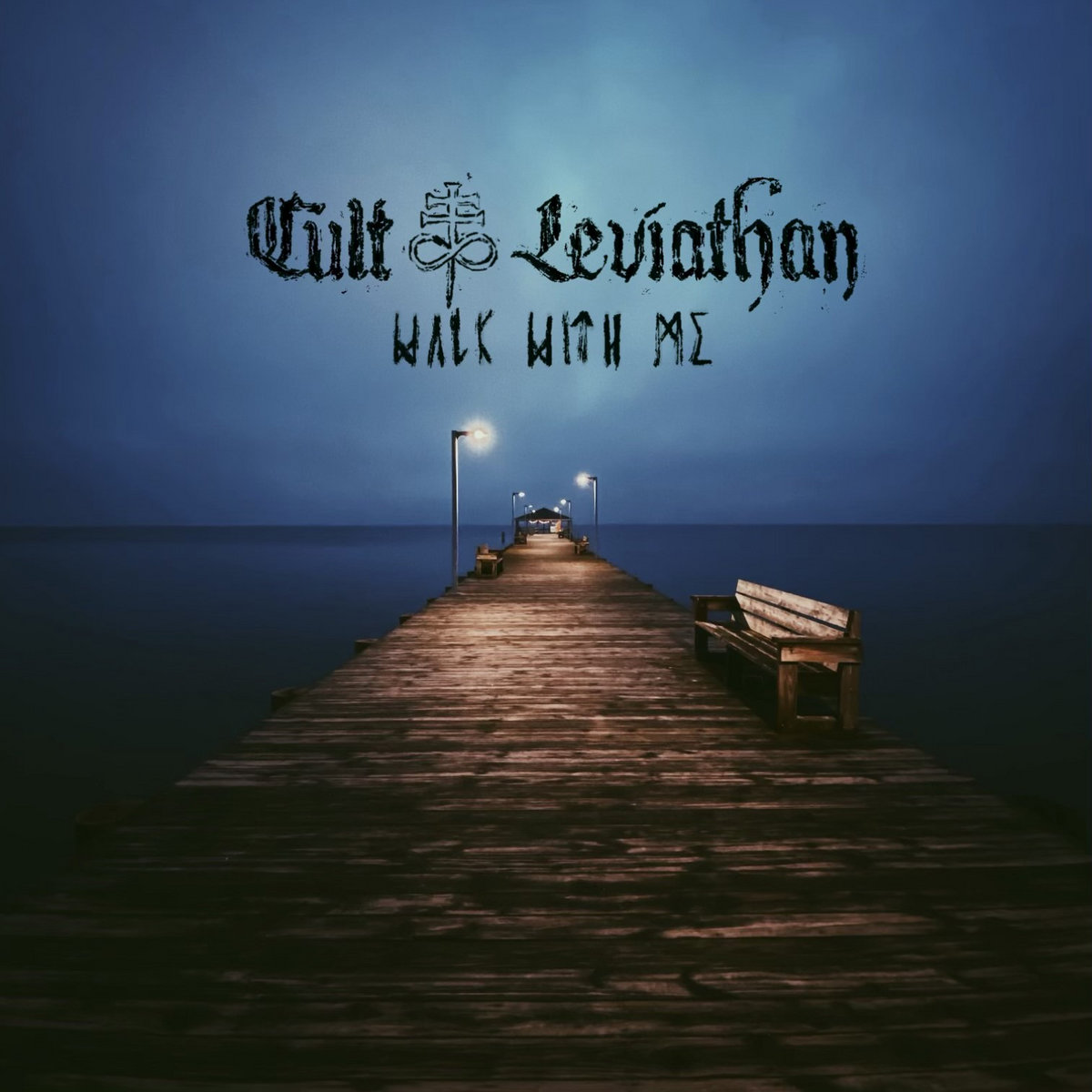
American progressive metal acts like Cult of Leviathan and other bands exploring the intersection of death metal, doom metal, and progressive elements could find inspiration in Townsend's orchestral approach. The integration of classical instrumentation with metal's fundamental heaviness opens possibilities for American composers willing to embrace both complexity and accessibility.
Long-Overdue Recognition and Golden Milestones
Sometimes persistence pays off in unexpected ways, as demonstrated by Dope's recent achievement of their first-ever gold single certification in the United States. The milestone, reached by a track from 2001, illustrates how certain metal songs can achieve commercial success years or even decades after their initial release, often driven by streaming platforms, nostalgic revivals, or cultural rediscovery.
This delayed recognition phenomenon reflects broader changes in how metal music gains commercial traction in the American market. What metal bands are touring in 2026 often includes acts whose catalog success came long after their peak creative periods, suggesting that quality metal music has a longer commercial lifespan than previously understood.
The gold certification also highlights the enduring appeal of early 2000s metal, a period that produced numerous influential American acts who helped bridge the gap between 90s alternative metal and the more extreme subgenres that would dominate the following decades. For contemporary American metal bands, Dope's delayed success story offers hope that persistent touring and catalog development can eventually yield significant commercial recognition.
Veterans Return to the Stage
The return of veteran performers to active touring represents another significant trend shaping the current American metal landscape. Jeffrey Nothing, co-founding vocalist of Cleveland's Mushroomhead, is ending an eight-year performance hiatus with a full US tour announcement that promises to reconnect the artist with fans who have waited nearly a decade for his return to the stage.
Nothing's comeback tour reflects the ongoing appetite for veteran metal performers, particularly those associated with the innovative nu-metal and industrial metal scenes that emerged from American cities in the 1990s and early 2000s. Mushroomhead's theatrical approach and masked aesthetic helped define an era of American metal that emphasized visual presentation alongside musical innovation.
The eight-year gap between performances makes Nothing's return particularly significant for fans of experimental American metal. His solo tour will likely feature material that spans his entire career, offering audiences a retrospective look at one of Cleveland's most distinctive metal voices while potentially introducing new material that reflects his artistic development during the hiatus years.
Collaborative Crossovers and Genre Blending
Cross-genre collaboration continues to reshape American metal's creative landscape, as evidenced by the partnership between alternative rock veterans Failure and Paramore's Hayley Williams on "The Rising Skyline." This largely acoustic breakup song represents the kind of unexpected collaboration that can introduce metal and heavy rock aesthetics to entirely new audiences.
Failure's North American tour announcement, coinciding with their album "Location Lost," demonstrates how veteran alternative metal acts continue to find creative vitality through collaboration and stylistic experimentation. The band's influence on American alternative and experimental metal stretches back decades, making their continued activity particularly significant for understanding how the genre's foundational acts adapt to contemporary musical landscapes.
The Williams collaboration also illustrates how mainstream rock and metal artists are increasingly willing to cross genre boundaries, creating opportunities for American metal acts to reach audiences beyond traditional heavy music demographics. This crossover potential is particularly important for new metal bands 2026 looking to build diverse fan bases in an increasingly fragmented musical marketplace.
Looking Forward: Touring and Recognition Trends
The combination of international touring opportunities, delayed commercial recognition, veteran comebacks, and cross-genre collaboration creates a complex but promising landscape for American metal in 2026. Technical death metal acts like Crown Magnetar are gaining international recognition while domestic legends achieve long-overdue commercial milestones and veteran performers return to active touring.
For emerging American metal acts, these developments suggest multiple pathways to success: technical mastery can lead to international opportunities, persistent catalog development may eventually yield commercial recognition, and creative collaboration can open new audience segments. The diversity of approaches—from Archspire's technical extremity to Townsend's orchestral ambitions to Failure's acoustic experimentation—demonstrates that American metal continues to evolve in multiple directions simultaneously.
As the year progresses, these trends will likely influence how American metal bands approach touring, recording, and audience development. The international success of technical acts, the delayed recognition of catalog material, and the return of veteran performers all suggest that American metal's future lies in embracing both innovation and tradition while remaining open to unexpected collaborative opportunities.
Whether through technical death metal's precision, orchestral metal's ambition, or alternative metal's crossover potential, American heavy music continues to demonstrate its capacity for both extreme innovation and enduring commercial appeal. For fans and musicians alike, 2026 promises to be a year where these diverse approaches to heavy music coexist and cross-pollinate in increasingly interesting ways.