Second Chances and Sonic Departures: Metal Musicians Navigate Personal Redemption While Veterans Explore New Creative Territory
The American metal scene continues to evolve through stories of personal growth and artistic exploration, with recent developments highlighting both the human side of heavy music and the creative restlessness that drives its most innovative artists.
Redemption and Return: Personal Growth in the Spotlight
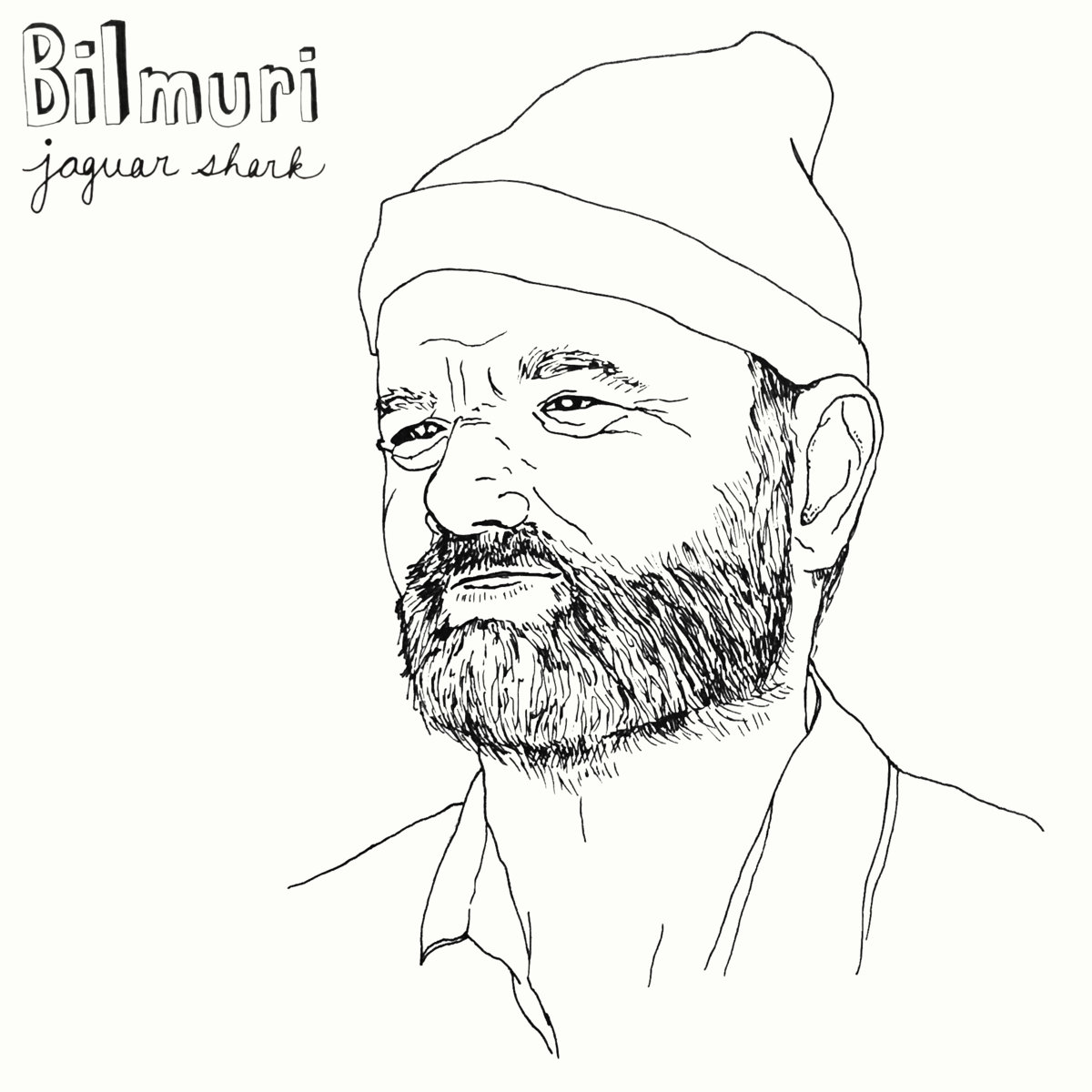
The music industry's ongoing conversation about accountability and second chances reached a new chapter with guitarist Reese Maslen's return to Bilmuri. After stepping away from the band in December amid personal allegations, Maslen has rejoined the group, citing his commitment to personal improvement. His statement acknowledging the work he's done "to be better for myself and everyone around me" represents a broader trend in metal culture where musicians are increasingly held accountable for their actions while still being offered paths toward redemption.
This development speaks to the evolving nature of the American metal community, where the traditional "rock star immunity" mentality has given way to more nuanced approaches to personal conduct and professional consequences. The willingness of bands to address internal issues publicly, followed by measured returns based on demonstrated growth, suggests a maturing scene that values both accountability and second chances.
The situation also reflects broader cultural shifts within metal's traditionally male-dominated space, where conversations about behavior and responsibility are becoming increasingly common. For emerging bands navigating similar challenges, Bilmuri's approach offers a template for addressing personal issues while maintaining band integrity.
Creative Departures: Veterans Venture Into Uncharted Territory
While some artists work on personal redemption, others are exploring entirely new creative territories. Shane Embury, the legendary bassist known for his foundational work with extreme metal pioneers Napalm Death, has surprised fans with his latest solo venture into post-punk territory. His new track "Taurus" signals a dramatic departure from the grindcore brutality that made him a household name in extreme metal circles.
Embury's upcoming album "Bridge To Resolution" represents more than just a side project—it's a testament to the creative restlessness that drives metal's most innovative figures. After decades of helping define the parameters of extreme music, his exploration of post-punk demonstrates how veteran musicians continue pushing boundaries, even when those boundaries extend far beyond their established genres.
This creative evolution mirrors similar movements throughout American metal history, where artists like Dave Mustaine, Kerry King, and others have explored projects that showcase different aspects of their musical personalities. The willingness to risk alienating core audiences in pursuit of artistic growth remains one of metal's most admirable characteristics, even as it sometimes confuses longtime fans expecting familiar sounds.
Political Tensions Fragment Veteran Acts
The intersection of politics and metal reached another flashpoint with the departure of drummer Larry Howe from California metal veterans Vicious Rumors. The split, which the band attributed to irreconcilable differences over political views, highlights the ongoing challenges facing metal acts as societal divisions increasingly impact band dynamics.
Howe's resignation, accompanied by statements about industry "leftist ideologues" and globalism, represents a familiar pattern where political disagreements have fractured long-standing musical partnerships. The band's acceptance of his resignation "after paying such a high price" suggests that ideological differences had created an untenable working environment, despite the professional costs involved.
This development reflects broader tensions within American metal, where musicians and fans increasingly find themselves navigating political divisions that were once considered secondary to the music itself. The challenge for veteran acts lies in maintaining artistic focus while managing internal conflicts that extend beyond creative differences into fundamental worldview disagreements.
Genre-Blending Innovation Continues Apace
Beyond the personal dramas and political tensions, American metal continues pushing creative boundaries through genre experimentation and sonic innovation. The emergence of new tracks from artists like Portrayal of Guilt demonstrates how contemporary metal acts seamlessly blend influences from black metal, post-hardcore, and experimental music to create sounds that defy traditional classification.
This genre-blending approach has become increasingly common among American metal acts, who draw from diverse influences to create unique sonic identities. From the blackened post-hardcore of artists like Portrayal of Guilt to the experimental approaches being explored by countless underground acts, the scene's creative diversity continues expanding. Local acts like Silver Ossuary and Prima Materia exemplify this trend, incorporating atmospheric and post-metal elements that push beyond traditional genre boundaries.
Streaming Success and Digital Evolution
The digital landscape continues reshaping how metal reaches audiences, with established acts like Disturbed achieving massive streaming milestones that demonstrate the format's growing importance. The band's recent entry into Spotify's prestigious Billions Club for the second time in under a week illustrates how veteran acts can leverage digital platforms to reach both longtime fans and new audiences.
This streaming success reflects broader changes in how metal fans consume music, moving away from traditional album-centric listening toward playlist-driven discovery. The implications for emerging American metal acts are significant, as streaming algorithms increasingly determine which bands reach wider audiences. Understanding these digital dynamics has become crucial for bands seeking to build sustainable careers in contemporary metal.
Legacy Acts Navigate Modern Challenges
Established acts continue facing unique challenges in maintaining relevance while honoring their legacies. Lamb of God's recent decision to update their iconic logo after 27 years represents a calculated risk, acknowledging that even the most recognizable visual elements must evolve to avoid appearing dated. Guitarist Mark Morton's pragmatic explanation that the old logo "just felt a little dated" demonstrates how veteran bands balance nostalgic attachment with contemporary aesthetics.
Meanwhile, touring logistics continue creating headaches for international acts, with bands like Fear Factory rescheduling Latin American dates to accommodate packed touring schedules. These practical challenges underscore the complex realities facing metal acts attempting to maintain global presence while managing increasingly complicated touring logistics.
The wisdom shared by veterans like Zakk Wylde—encouraging young musicians to "play what you love" and "go all in"—provides valuable guidance for emerging artists navigating an increasingly complex music industry. His emphasis on passion over profit considerations remains relevant advice in an era where streaming algorithms and social media metrics often overshadow artistic integrity.
As American metal continues evolving through personal growth stories, creative departures, and ongoing challenges, the scene's resilience and adaptability remain its greatest strengths. Whether through second-chance narratives, genre-blending innovation, or veteran wisdom, the community continues demonstrating its capacity for both artistic evolution and human understanding.