Lineup Loyalty Debates and International Setbacks: Health Issues Cancel Global Tours While Metal Veterans Defend Evolving Rosters
The metal world faces a stark reminder of mortality's impact on touring schedules this week as veteran acts grapple with health-related cancellations while simultaneously defending their right to continue performing with evolved lineups. These developments highlight the complex relationship between legacy acts, their fans, and the realities of aging in heavy music.
Health Concerns Ground International Metal Tours
German rock legends Scorpions have been forced to cancel their highly anticipated four-city tour of India, which was scheduled to hit Shillong, Delhi-NCR, Bengaluru, and Mumbai. The cancellation stems from what organizers describe as "unforeseen medical circumstances," a vague but concerning development for fans who had been eagerly awaiting the band's return to the subcontinent.
Similarly, former W.A.S.P. guitarist Chris Holmes has canceled his upcoming United Kingdom and Scandinavian tour dates due to what his representatives term "a minor prostate issue." While described as minor, the health concern was significant enough to derail an entire touring cycle that would have brought the guitarist's solo material to European audiences.
These cancellations underscore the precarious nature of touring for aging metal veterans. As the pioneers of heavy music enter their sixties and seventies, health issues become an increasingly common factor in tour planning. The physical demands of international travel, combined with the energy required for live performances, create challenges that younger acts rarely face.
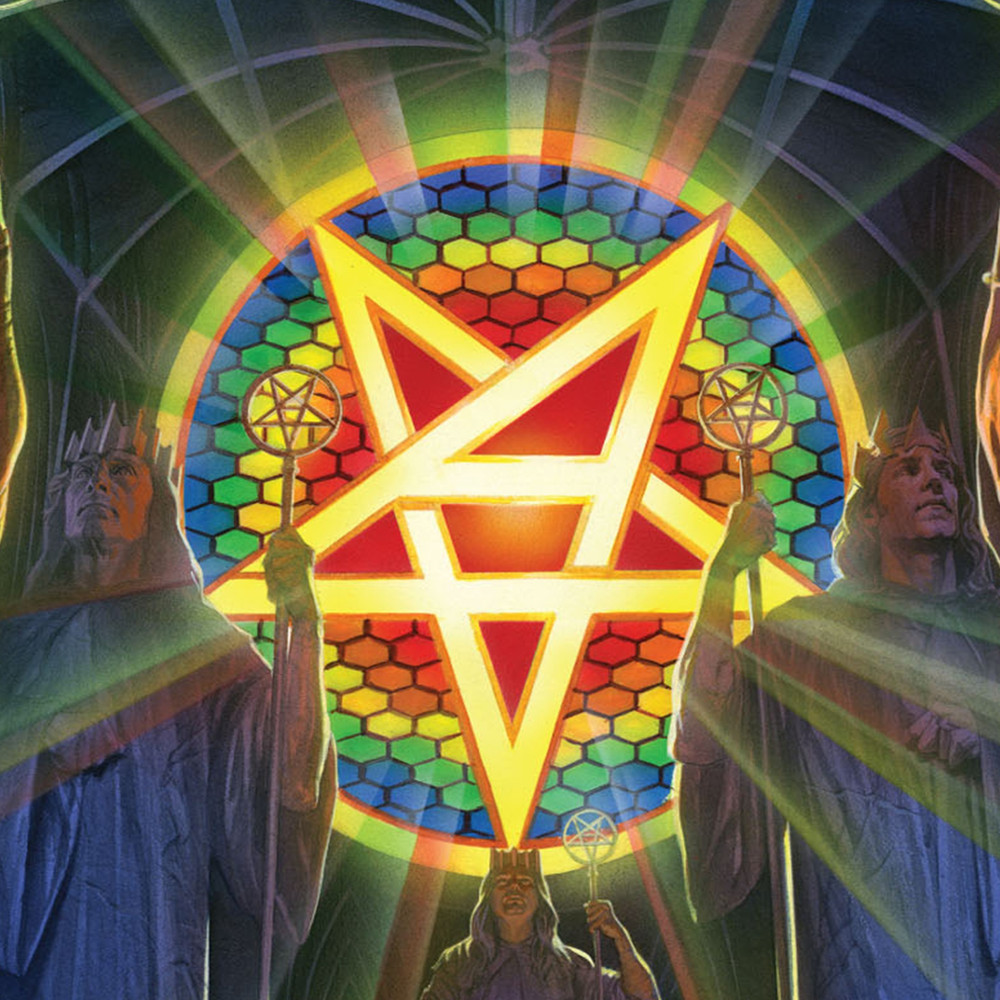
For American metal bands watching these developments, the message is clear: the window for extensive international touring isn't infinite. Acts like Anthrax, who have been mainstays of the thrash metal scene for decades, must balance ambitious touring schedules with the realities of physical limitations that come with age.
The Lineup Evolution Debate Intensifies
While health issues force some cancellations, Judas Priest's Richie Faulkner has stepped into the contentious debate over bands touring without their classic lineups. Faulkner, who replaced the legendary K.K. Downing in Judas Priest, argues that fans who disapprove of lineup changes have a simple solution: don't attend the shows.
This perspective reflects a growing pragmatism within metal circles about the evolution of long-running bands. Faulkner's position essentially argues that musical entities should be allowed to continue their creative and commercial journeys regardless of personnel changes, placing the choice squarely in the hands of consumers.
The debate extends beyond simple nostalgia into questions of artistic integrity and fan loyalty. Many 80s metal bands face similar crossroads as founding members retire, pass away, or simply choose to step back from the demands of touring. The American metal scene has witnessed this evolution across genres, from traditional heavy metal to death metal and beyond.
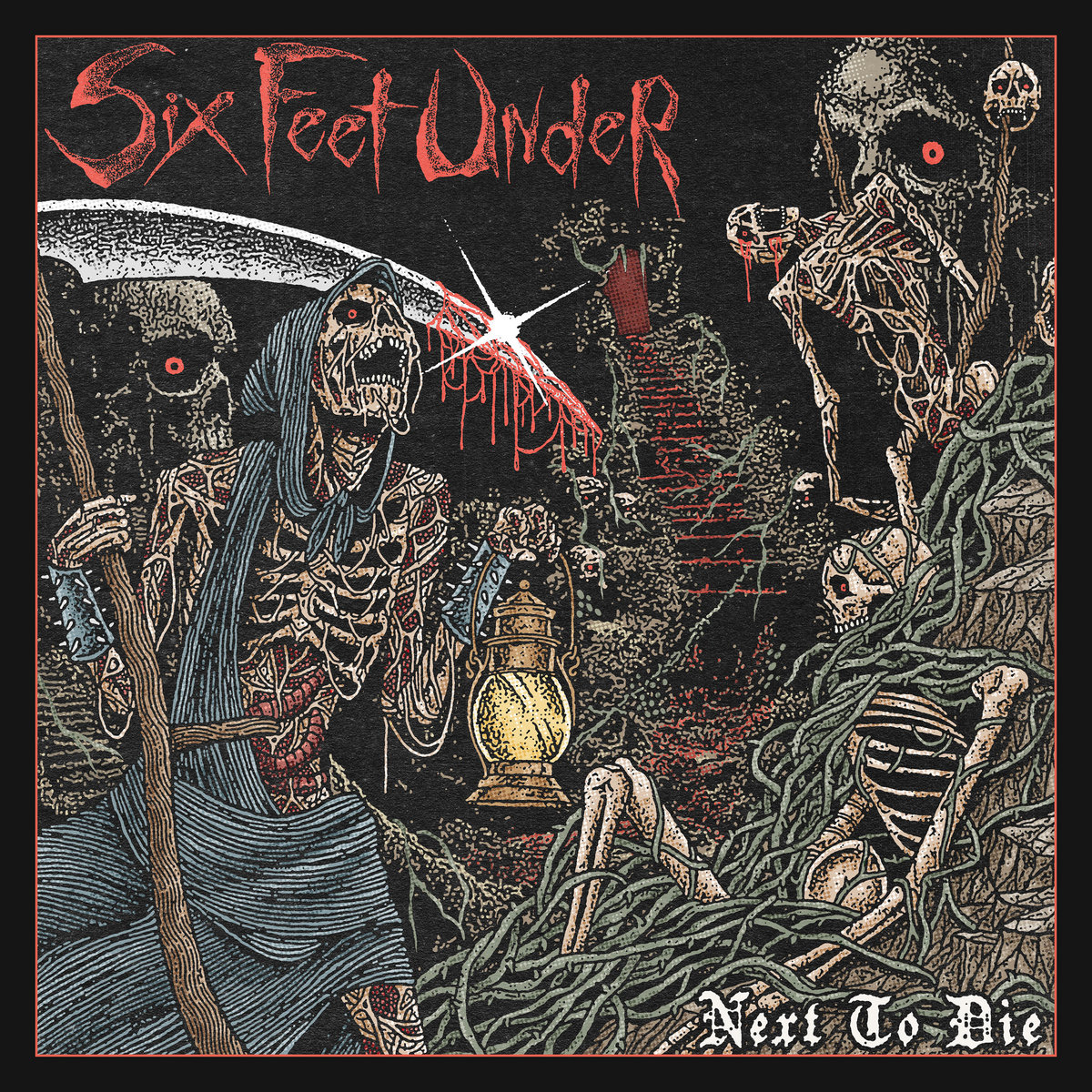
Veteran acts in the US metal scene must navigate these waters carefully. Bands like Six Feet Under have maintained their identity while evolving their lineups over the years, demonstrating that continuity can coexist with change when handled thoughtfully.
International Collaborations and Cross-Genre Projects
Beyond the touring challenges, the metal world continues to embrace international collaboration. Insidious Disease, featuring members from Dimmu Borgir and Napalm Death, has completed recording their third album. This project exemplifies how metal transcends geographic boundaries, bringing together Norwegian black metal expertise with British grindcore innovation.
Such collaborations often produce some of the most interesting music in heavy metal, combining different cultural approaches to extreme music. The project's completion suggests that despite touring challenges and health concerns affecting individual acts, the creative drive within metal remains strong.
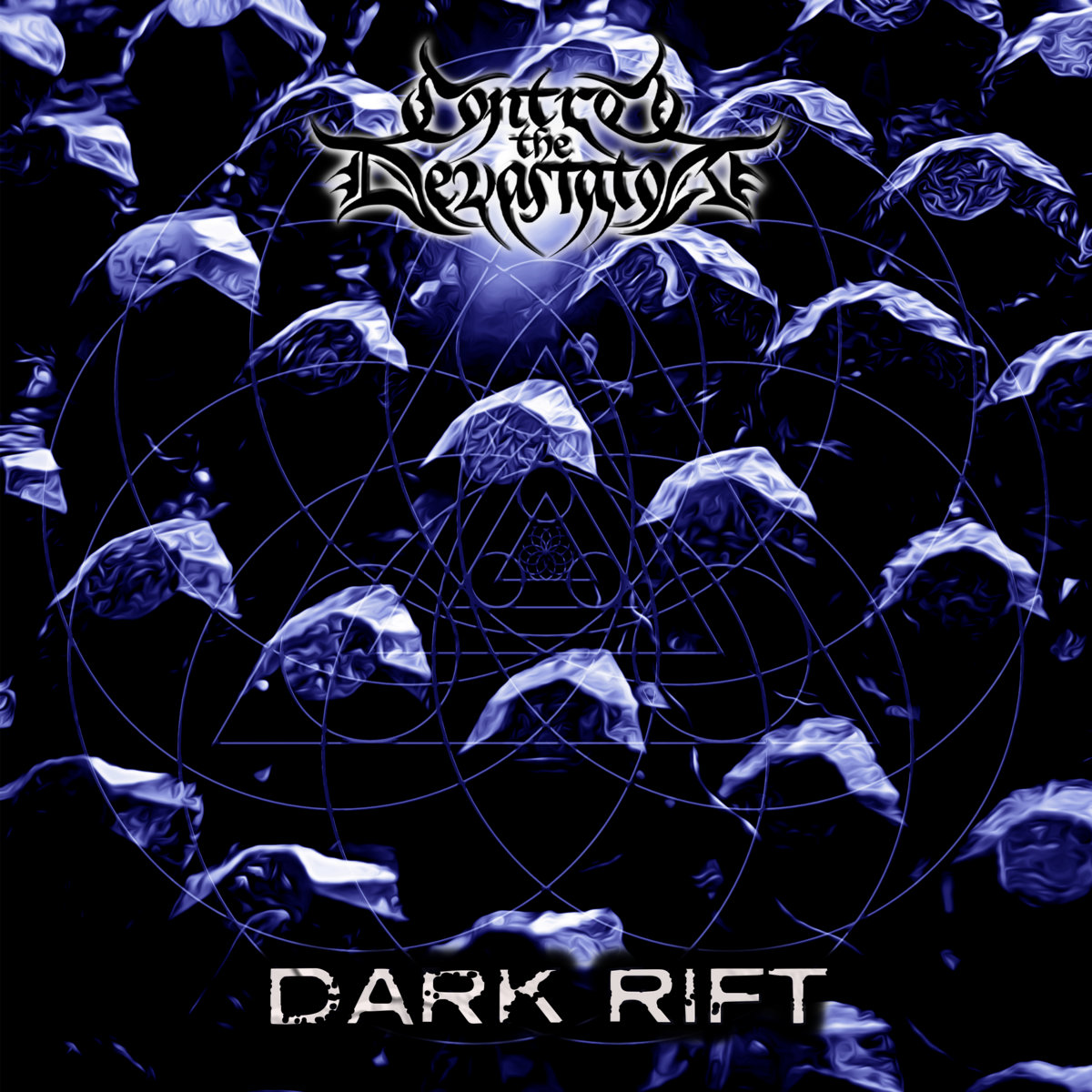
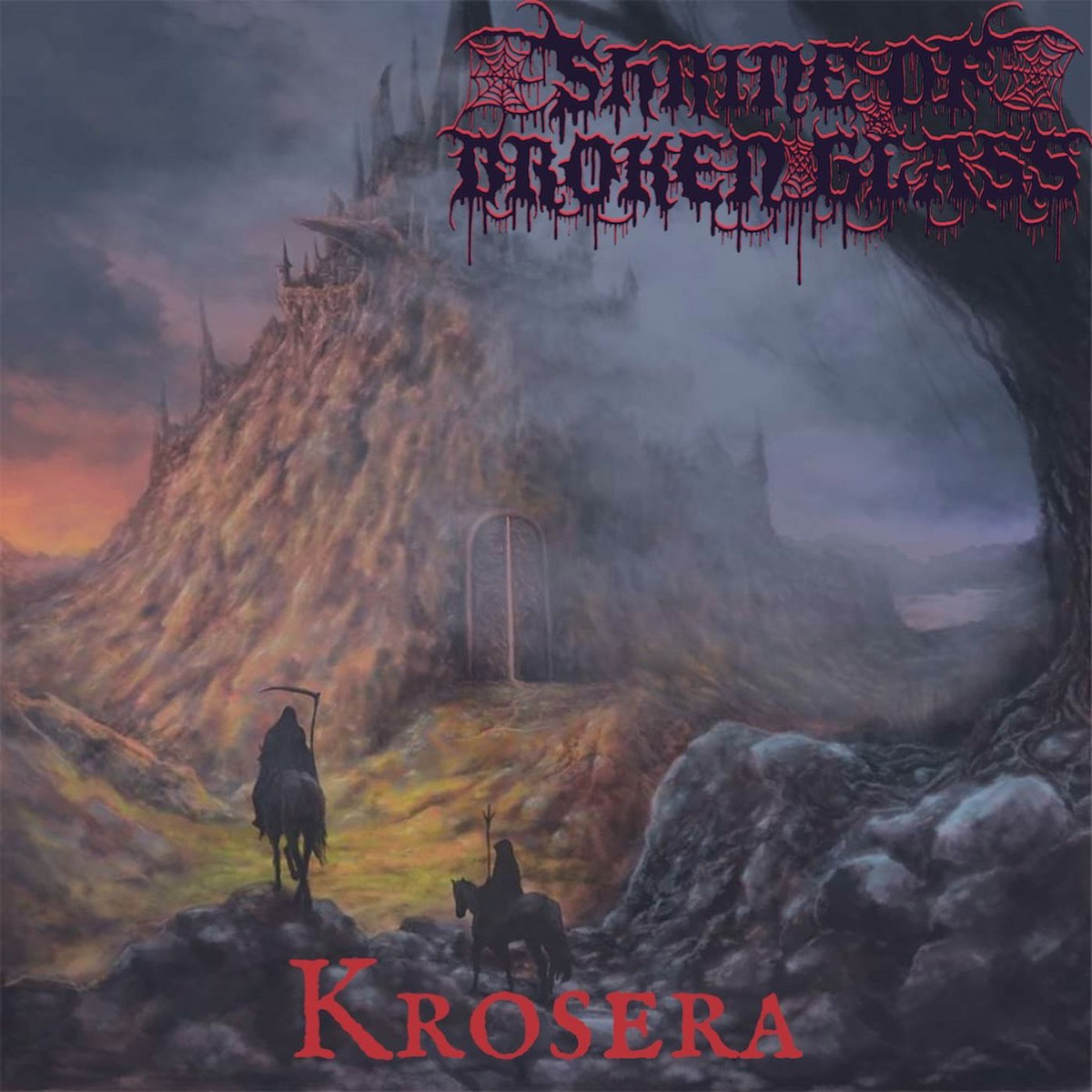
For American extreme metal bands, these international partnerships offer templates for expanding creative horizons. Acts like Control the Devastator and Shrine of Broken Glass operate in similar technical death metal and black metal territories, potentially benefiting from cross-pollination with international acts.
The New Generation Rises Amid Industry Changes
While established acts deal with health issues and lineup debates, newer bands continue pushing creative boundaries. Nekrogoblikon has dropped a new EP alongside a characteristically provocative music video, demonstrating that innovation and irreverence remain vital forces in contemporary metal.
The goblin-metal unit's latest offering shows how new metal bands 2026 continue to find unique niches within the broader heavy music ecosystem. Their approach combines technical musicianship with theatrical elements and dark humor, creating something distinctly modern while respecting metal's foundational principles.
Meanwhile, Escuela Grind has welcomed new drummer Jake Sanders and completed their latest album, showing how underground acts maintain momentum through personnel changes. This adaptability contrasts sharply with the challenges facing veteran acts, suggesting that younger bands may be better positioned to weather the inevitable changes that come with sustained careers.
Implications for the American Metal Landscape
These developments collectively paint a picture of an American metal scene in transition. The health-related cancellations affecting international legends serve as reminders of mortality's role in shaping touring schedules. Simultaneously, debates over lineup authenticity force both bands and fans to reconsider what constitutes the "real" version of beloved acts.
For emerging American metal bands, these conversations provide valuable context for long-term career planning. Understanding that personnel changes are often inevitable rather than exceptional can help acts prepare for sustainable futures. The key appears to be maintaining core musical and aesthetic elements while remaining open to evolution.
The international collaboration exemplified by Insidious Disease also suggests opportunities for American acts to expand their reach through creative partnerships. As the global metal scene becomes increasingly interconnected, American bands that embrace international collaboration may find new avenues for growth and creative development.
Looking ahead, the metal world will likely see more health-related touring adjustments as the genre's pioneers age. However, the passion for heavy music remains undiminished, whether expressed through veteran acts defending their evolved lineups or newer bands pushing genre boundaries with irreverent creativity. The challenge for the American metal scene lies in honoring its past while embracing the changes necessary for continued vitality.
As these stories unfold, they remind us that metal's strength has always been its ability to adapt and evolve while maintaining its essential spirit. Whether through lineup changes, international collaborations, or new creative approaches, the genre continues to demonstrate remarkable resilience in the face of inevitable change.