Vocal Hunts and Cross-Genre Collaborations: Established Acts Seek Fresh Voices While Boundary-Pushing Projects Redefine American Metal
The American metal scene finds itself at a fascinating crossroads where established acts are reinventing their lineups while ambitious cross-genre projects push the boundaries of what heavy music can become. From coast to coast, bands are embracing change—whether through extensive vocalist searches, documentary scoring ventures, or unexpected collaborative efforts that blur the lines between metal's traditional subgenres.
The Great Vocalist Hunt: Skid Row's Methodical Approach
New Jersey legends Skid Row are taking a calculated approach to replacing their departed frontman, with bassist Rachel Bolan revealing the band has narrowed their extensive search down to serious contenders. Rather than rushing into a decision that could define their next chapter, the group is methodically evaluating candidates who can handle both their classic catalog and future material. This patient approach reflects a broader trend among veteran acts who've learned from hasty lineup changes that didn't serve their long-term vision.
The band's partnership with instrument retailer Sweetwater to conduct their worldwide vocalist search represents an innovative approach to talent acquisition that could influence how other established acts handle similar transitions. By casting such a wide net, Skid Row is demonstrating that even bands with decades of history aren't afraid to embrace modern methods of finding their next voice.
This methodical search strategy contrasts sharply with the quick replacements often seen in the past, suggesting that what metal bands are touring in 2026 might depend heavily on how thoughtfully they handle current lineup transitions. For regional acts looking to make similar changes, Skid Row's approach offers a blueprint for conducting comprehensive searches without compromising artistic integrity.
Documentary Scores and Creative Expansion
Metal Church's Kurdt Vanderhoof has ventured into uncharted territory by composing the complete musical score for a documentary about legendary BMX rider Eddie Fiola. This crossover project highlights how seasoned metal musicians are expanding their creative horizons beyond traditional album cycles and touring schedules. Vanderhoof's willingness to tackle the challenge of scoring visual media demonstrates the versatility that defines the best heavy metal musicians working today.
The documentary scoring project represents a growing trend where metal musicians apply their compositional skills to multimedia projects, potentially opening new revenue streams while showcasing their artistic range. This diversification could prove especially valuable for bands navigating an increasingly complex music industry landscape where traditional album sales and touring present ongoing challenges.
For American metal acts seeking creative fulfillment beyond conventional band projects, Vanderhoof's documentary work illustrates how technical proficiency and atmospheric sensibilities translate effectively to visual storytelling mediums.
Cross-Genre Collaborations Reshape Boundaries
The emergence of collaborative projects featuring metal musicians working with artists from completely different genres signals a significant shift in how American heavy music approaches creative partnerships. Jake Kiszka of Greta Van Fleet's involvement with Mirador, alongside IDA MAE's Chris Turpin, represents the kind of boundary-crossing collaboration that's becoming increasingly common among younger metal and rock musicians.
These partnerships often yield surprising results that challenge listeners' preconceptions about genre limitations. When established metal musicians bring their technical skills and intensity to acoustic or folk-influenced projects, the results frequently transcend simple category definitions and create entirely new sonic territories.
The announcement of Mirador's acoustic EP "The Gathering At Badon Hill" demonstrates how such collaborations can produce intimate, stripped-down material that reveals different facets of musicians primarily known for their heavier work. This trend toward versatility reflects a broader maturation within American metal, where artistic growth often involves exploring quieter dynamics alongside traditional heaviness.
Underground Collaborations and Guest Features
The underground metal scene continues to thrive through strategic collaborations, as evidenced by Idle Threat's upcoming album featuring guests from Silent Planet, Haste The Day, and Meadows. These cross-pollinating partnerships strengthen the broader American metal community by connecting bands across different substyles and regional scenes.
Such collaborative efforts often introduce bands to new audiences while allowing participating musicians to explore different approaches to their craft. When death metal bands collaborate with progressive acts, or when doom musicians work with black metal artists, the resulting music frequently pushes both acts beyond their comfort zones into unexplored creative territory.
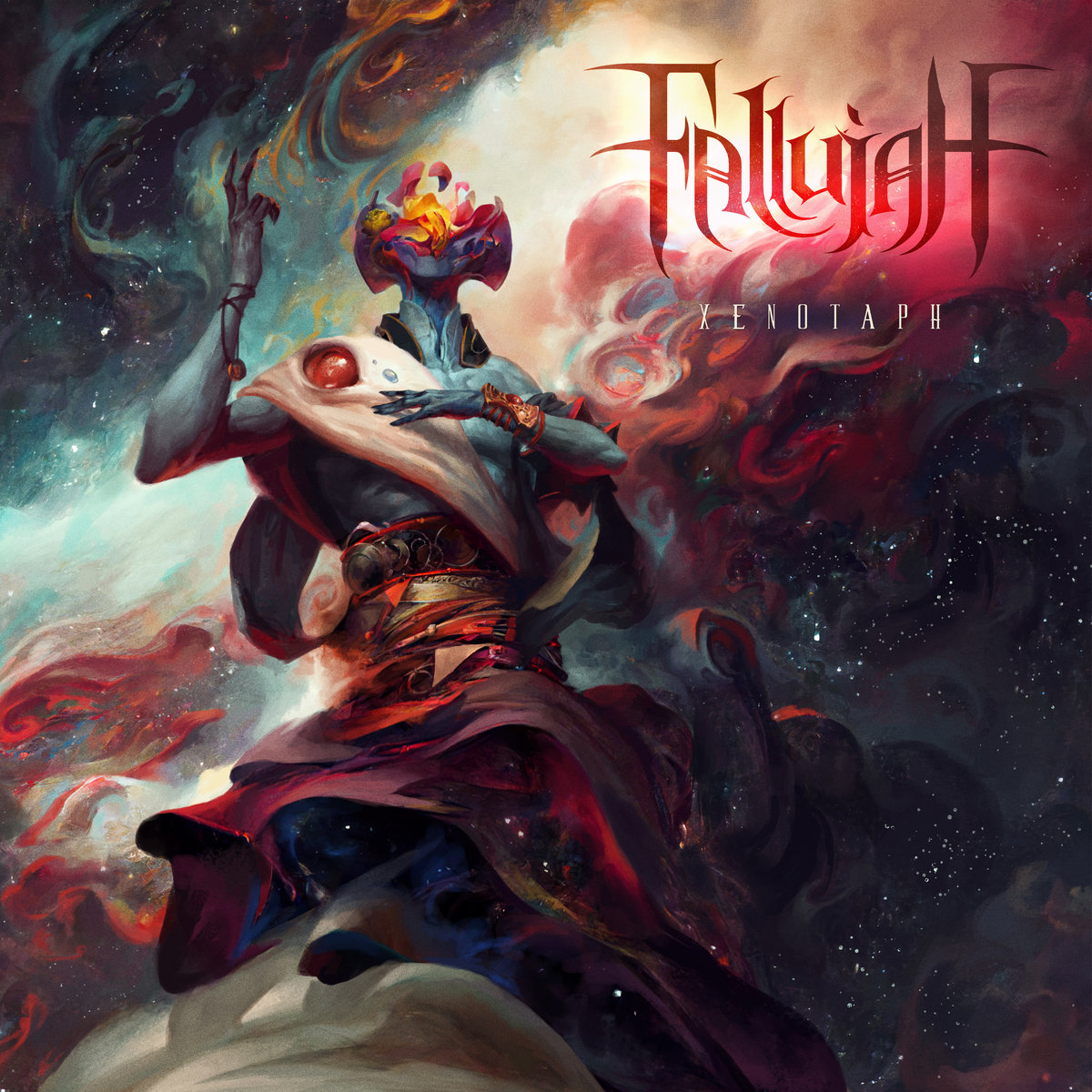
For the extensive US metal scene, these guest appearances and collaborative albums serve as crucial networking opportunities that can lead to touring partnerships, festival bookings, and long-term creative relationships. Acts like Fallujah and Great American Ghost have built significant followings partly through strategic collaborations with complementary acts across the technical death metal and hardcore spectrum.
The Return of Progressive Pioneers
Savatage's gradual return to active status represents one of the most significant developments for American progressive metal fans. Chris Caffery's confirmation that the band will eventually play US shows, following successful South American and European performances, suggests a careful approach to reactivating one of the genre's most influential acts.
The band's measured comeback strategy reflects lessons learned by other veteran progressive acts about managing expectations while delivering performances that honor their legacy. Rather than rushing into extensive touring commitments, Savatage appears focused on ensuring their return meets both fan expectations and their own artistic standards.
This cautious reactivation approach could influence how other dormant progressive metal acts handle their own potential comebacks. For a scene that values technical precision and conceptual depth, Savatage's methodical return suggests that quality control remains paramount even when demand for reunion performances runs high.
Symphonic Black Metal Maintains Momentum
Dimmu Borgir's upcoming album "Grand Serpent Rising" continues the Norwegian masters' tradition of symphonic black metal excellence while potentially influencing American acts working within similar territory. The band's commitment to avoiding compromise while creating accessible material offers lessons for US symphonic metal acts seeking to balance extremity with broader appeal.
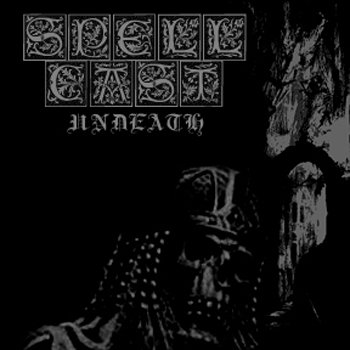
American symphonic black metal bands like Spellcast and Ethereal Blight continue developing their own approaches to orchestral extremity, often drawing inspiration from European masters while incorporating distinctly American influences. This cross-continental pollination strengthens both scenes while pushing symphonic metal into new territories.
Industry Streaming Milestones and Cultural Impact
System of a Down's entry into Spotify's Billions Club alongside Foo Fighters demonstrates how American metal and alternative rock continue reaching massive global audiences decades after their initial breakthrough periods. These streaming milestones validate the enduring power of well-crafted heavy music while highlighting tracks that have become cultural touchstones.
The achievement also underscores how digital platforms have democratized access to metal music, allowing both classic tracks and newer releases to find audiences regardless of traditional radio support. For emerging American metal acts, these streaming successes provide evidence that quality heavy music can still achieve massive reach when it connects with listeners on an emotional level.
Looking Forward: Innovation Through Tradition
As American metal continues evolving through lineup changes, cross-genre collaborations, and creative expansions into new media, the scene's fundamental strengths remain unchanged: technical excellence, emotional authenticity, and willingness to push boundaries. Whether through Skid Row's careful vocalist selection process or Metal Church's documentary scoring adventures, established acts are proving that longevity comes through adaptation rather than stagnation.
The current landscape suggests that new metal bands 2026 will likely emerge from this collaborative, boundary-crossing environment where traditional genre limitations matter less than creative vision and technical execution. For American metal's continued growth, this openness to experimentation while maintaining core values represents an ideal balance between innovation and tradition.