Sports Arena Crossovers and Hall of Fame Rebellion: Metal Veterans Bridge Athletic Culture While Rejecting Institutional Recognition

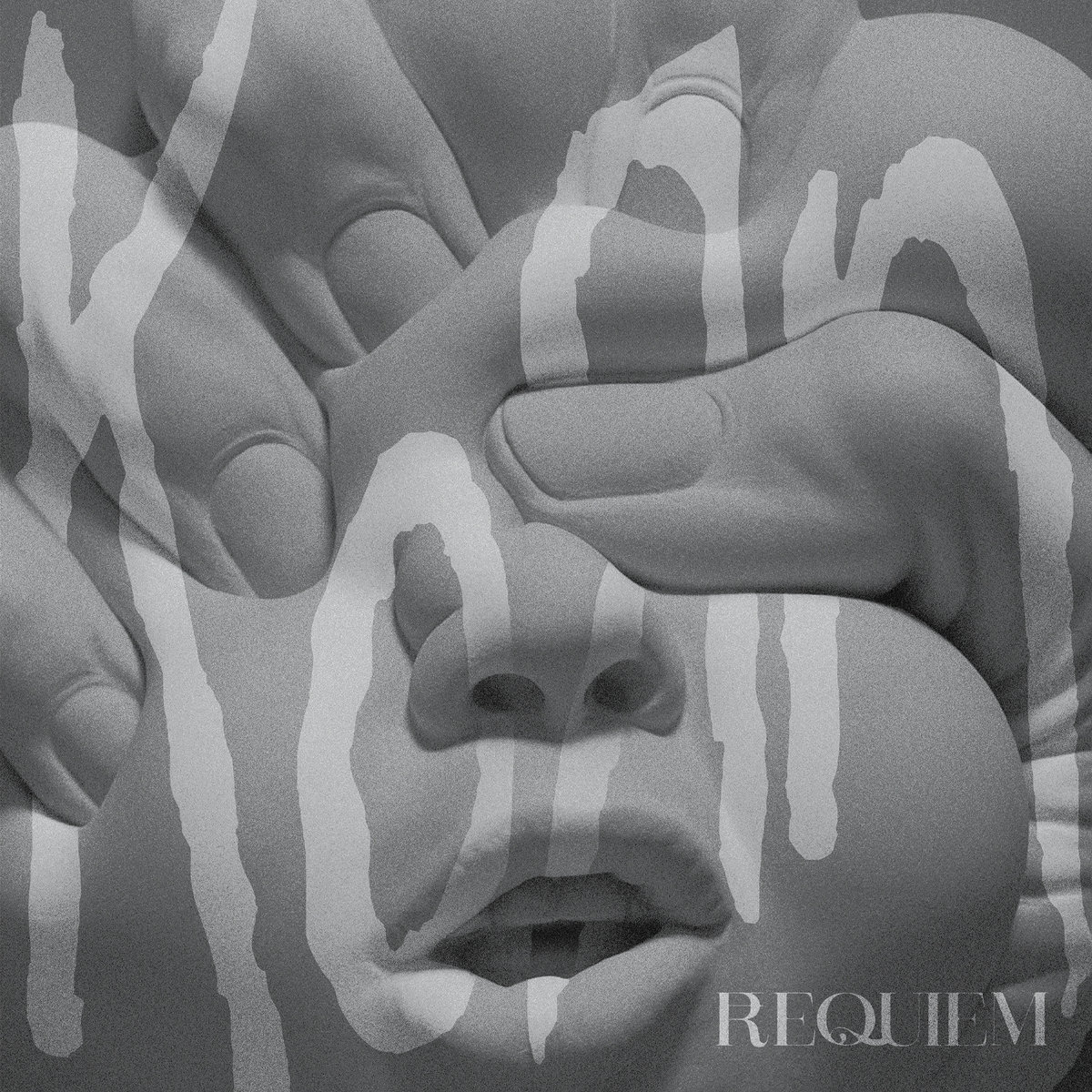
The intersection of metal culture and American sports reached a heartwarming peak this week when Korn acknowledged San Diego Padres pitcher Mason Miller's use of their classic track "Blind" as walk-up music. The gesture represents more than fan appreciation—it signals how deeply embedded metal has become in mainstream American culture, from stadium soundtracks to athletic performance psychology.
Miller's choice of "Blind" as entrance music demonstrates the psychological warfare aspect of baseball, where intimidating soundtracks can unsettle opposing batters. The track's crushing opening riff and Jonathan Davis's distinctive vocals create an atmosphere that perfectly complements the high-pressure moments of professional baseball. Korn's response with a care package shows how veteran acts recognize and nurture these cultural crossovers, understanding that their music's impact extends far beyond traditional concert venues.
Institutional Rejection and Authenticity
While some metal acts embrace mainstream recognition, others are pushing back against institutional validation. Gary Holt of Exodus and Slayer delivered characteristically blunt commentary about the Rock and Roll Hall of Fame, calling the institution "fucking lame." His perspective reflects a broader skepticism within the metal community about whether traditional music industry institutions can adequately recognize or understand heavy music's cultural significance.
The timing of Holt's comments coincides with Iron Maiden's notable absence from their own Hall of Fame induction ceremony, as the band prioritizes tour commitments over industry ceremonies. This decision embodies metal's working-class ethos—the belief that connection with fans through live performance matters more than institutional accolades or red carpet appearances.
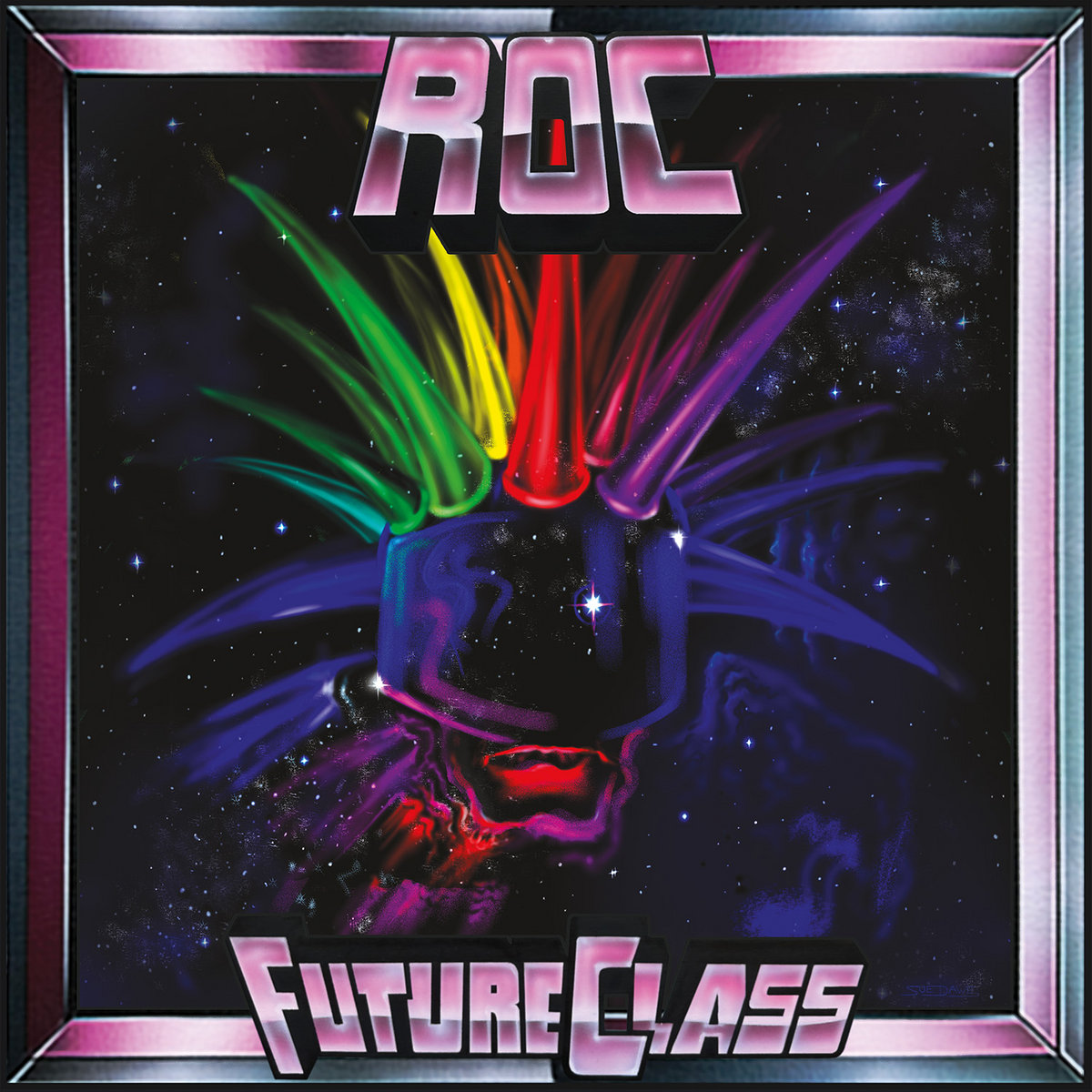
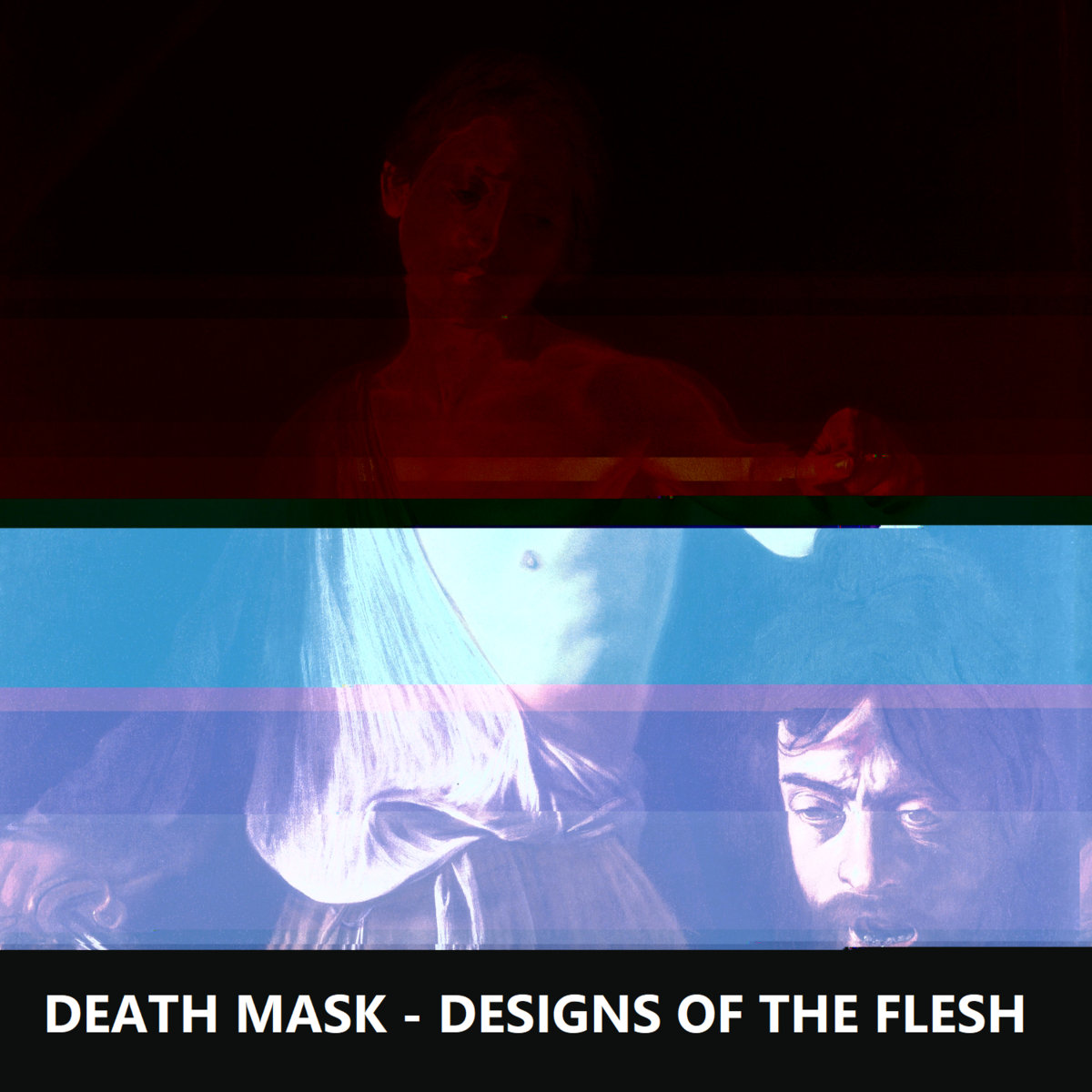
For emerging acts across the US metal scene, these veteran perspectives offer valuable guidance about maintaining authenticity while navigating industry recognition. Bands like the thrash-focused Death Mask and crossover specialists Rod of Correction can draw inspiration from this principled stance against compromising artistic integrity for mainstream validation.
Deathcore's Final Statements
The deathcore scene continues its pattern of dramatic endings and resurrections with Bloodbather's announcement of their final album "ANAYNGSTTA." The band's decision to return from their 2024 breakup only to immediately plan another farewell creates an interesting dynamic within extreme metal's theatrical tendencies. This approach mirrors the broader deathcore community's relationship with finality—where "final" albums often become launching points for new creative phases rather than definitive conclusions.
Bloodbather's strategy of releasing multiple music videos alongside their farewell announcement demonstrates how modern extreme metal bands maximize impact through multimedia campaigns. The April release date gives the band substantial time to build anticipation while allowing fans to process the emotional weight of a "final" statement from Salem Vex's project.
This trend influences regional deathcore acts like Adelaide, who observe how established bands navigate career transitions and fan expectations. The lesson for emerging brutal acts involves understanding that "endings" can be creative catalysts rather than career obituaries, provided the artistic vision remains compelling and authentic.
Progressive Creativity and Touring Expansion
Lamb of God's latest album "Into Oblivion" represents drummer Art Cruz's most personal creative contribution to the band, according to his recent podcast appearance. Cruz's description of the record as "the most 'me' album" highlights how established bands continue evolving their sound through individual member contributions, rather than relying solely on established formulas or longtime creative partnerships.
The album's March release through Epic Records in the US and Century Media in Europe demonstrates the complex international distribution strategies that successful American metal bands must navigate. This dual-label approach allows acts to maximize regional market penetration while maintaining relationships with specialized metal distributors who understand the genre's unique audience dynamics.
Meanwhile, Queensrÿche vocalist Todd La Torre revealed ongoing songwriting sessions for the band's follow-up to 2022's "Digital Noise Alliance." His mention of having "a ton of songs" requiring lyrics and melodies indicates the band's commitment to substantial creative output rather than rushed release schedules. This patient approach to songwriting contrasts with industry pressure for constant content generation, showing how veteran progressive metal acts prioritize quality over quantity.
Cruise Culture and Alternative Touring
Creed's announcement of their 2027 "Summer of '99 & Beyond Cruise" featuring Breaking Benjamin, Sevendust, Hoobastank, and Drowning Pool represents the continued evolution of alternative touring concepts. These maritime festivals offer bands controlled environments for extended fan interaction while generating significant revenue outside traditional venue relationships.
The cruise format particularly benefits metal bands touring in 2026 and beyond, as it eliminates many logistical challenges associated with traditional touring circuits. Bands can focus entirely on performance and fan experience without dealing with venue politics, local promotion, or geographic constraints that often limit smaller acts' touring opportunities.
For regional metal scenes, cruise festivals demonstrate how creative touring concepts can provide exposure opportunities that traditional opening slots might not offer. The intimate, extended format allows emerging bands to build deeper connections with audiences who are specifically invested in discovering new music within familiar genre frameworks.
Cross-Genre Collaborations and Scene Evolution
The music landscape continues blending genres through strategic collaborations, as evidenced by Reach NYC's continued partnership with P.O.D.'s Marcos Curiel on their new track "I Should Have Known." This follows their previous collaboration "Ride Or Die," suggesting that successful cross-regional partnerships can develop into ongoing creative relationships that benefit both acts' artistic growth and audience expansion.
These collaborations demonstrate how modern metal scenes transcend geographical boundaries through digital communication and file sharing, allowing artists from different regions to create cohesive music without extensive travel or studio time. The approach particularly benefits underground acts who can leverage established musicians' experience and fan bases while contributing fresh creative perspectives.
No Grave's premiere of their "Endless Blue" music video, supporting their upcoming May album "Suffer Together," shows how newer acts are adopting professional promotional strategies that were once exclusively available to major-label artists. The combination of strategic video releases and advance album promotion helps bands build anticipation and maintain relevance in an increasingly crowded metal marketplace.
As the US metal scene continues evolving through sports partnerships, institutional rebellion, creative collaborations, and alternative touring concepts, the common thread remains authentic connection between artists and audiences. Whether through baseball stadium speakers, cruise ship stages, or underground venue floors, American metal's strength lies in its ability to adapt delivery methods while maintaining the core intensity and community spirit that defines the genre.
For bands looking to navigate this landscape, the message from veteran acts is clear: prioritize artistic authenticity over institutional validation, embrace creative partnerships that enhance rather than compromise your vision, and remember that your music's impact extends far beyond traditional metal venues. The pitcher's mound and the mosh pit might seem worlds apart, but both require the same commitment to intensity, precision, and unwavering focus that defines the best American metal.