Neurosis Reunion and Death Metal Resilience: Post-Metal Pioneers Return While Underground Brutality Reaches New Depths
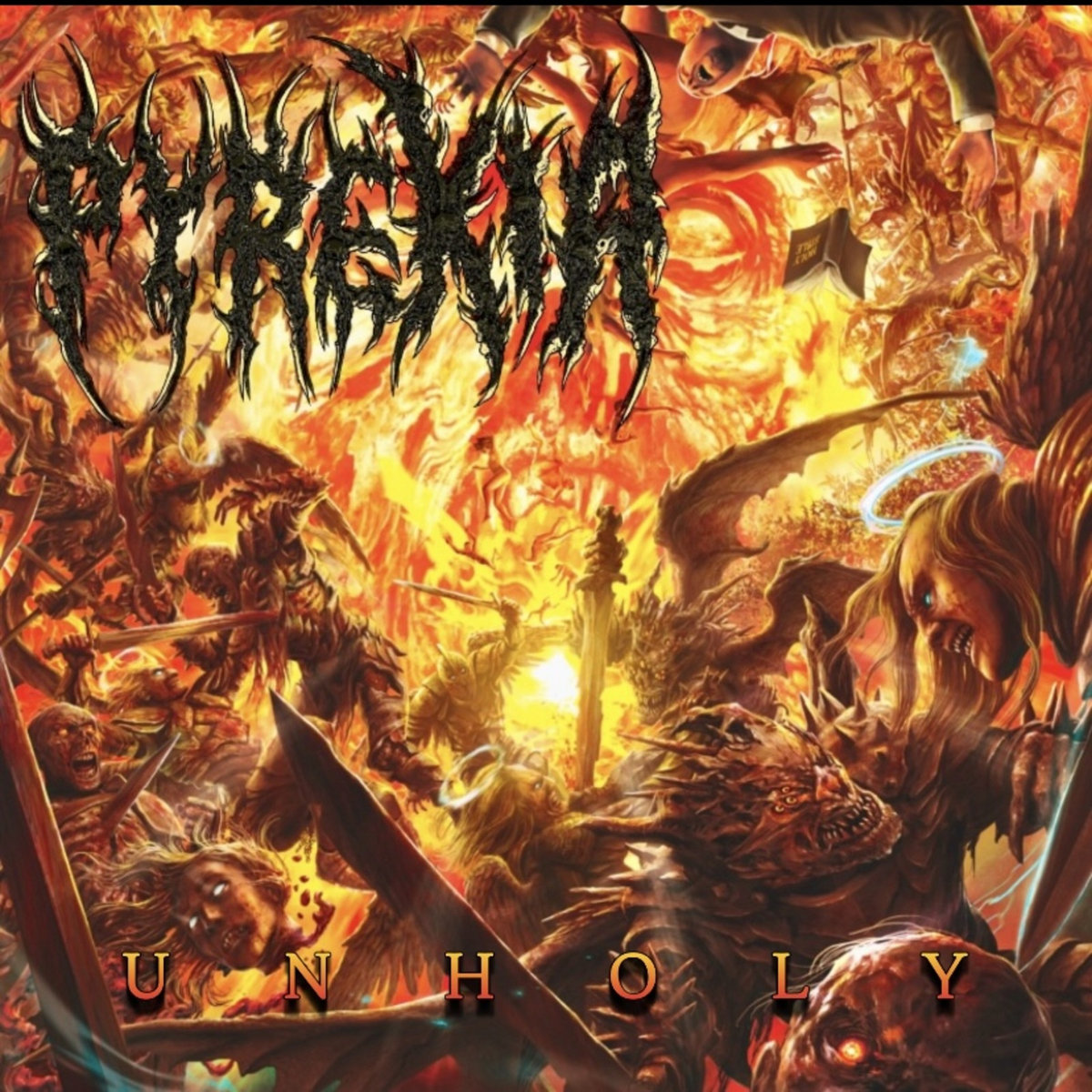
The American heavy music landscape has witnessed two remarkable developments this week that perfectly encapsulate the genre's dual nature: the triumphant return of post-metal pioneers Neurosis and the relentless evolution of underground death metal. These parallel narratives showcase how established acts navigate creative resurrection while emerging brutality continues pushing extreme boundaries.
Post-Metal Legends Rise From Ashes
Steve Von Till recently opened up about Neurosis's journey back to unity following their challenging period after co-founder Scott Kelly's departure in 2019. The band's quiet split had left many wondering if one of America's most influential heavy acts would ever return to their groundbreaking sonic explorations.

Von Till's revelations about the reunion process illuminate how veteran bands can overcome internal upheaval while maintaining their artistic vision. The remaining members found themselves questioning everything – their creative direction, their collective identity, and whether the Neurosis legacy could continue without a founding member who had been integral to their atmospheric soundscapes for decades.
What emerged from this period of uncertainty was a renewed sense of purpose. The band discovered that their core creative drive remained intact, even as they adapted to a new lineup configuration. This resilience speaks to the deeper artistic bonds that define truly innovative acts – relationships that transcend individual personalities and tap into something more fundamental about creative expression.
The post-metal genre that Neurosis helped pioneer has spawned countless imitators across the US scene, from atmospheric sludge acts to drone-influenced doom bands. Their return validates the lasting power of their approach: music that builds massive emotional landscapes through repetition, dynamics, and patient development rather than traditional song structures.
Underground Death Metal's Relentless March
While established acts navigate reunion challenges, the best death metal bands continue emerging from America's underground with uncompromising brutality. New releases demonstrate how the genre maintains its edge through constant evolution, refusing to become nostalgic or comfortable.
Recent single releases showcase death metal's current obsession with technical precision married to old-school atmosphere. These bands understand that modern audiences expect both crushing heaviness and sophisticated songwriting – a combination that separates today's new metal bands 2026 from their predecessors who often prioritized one element over the other.
The production values on current death metal releases reveal how the genre has embraced modern recording techniques without losing its essential rawness. Bands are finding ways to achieve clarity and power simultaneously, creating albums that sound massive on streaming platforms while retaining the visceral impact that defines extreme music.
This technical evolution connects directly to the broader US metal scene trends, where regional pockets of innovation drive national conversations. Pennsylvania's death metal contingent, including acts like Pyrexia, continues developing the brutal technical approach that has influenced countless bands across the country.

Visual Storytelling and Modern Metal Marketing
Both established and emerging acts are embracing sophisticated visual approaches to complement their music. The recent wave of music videos demonstrates how metal bands understand that modern audiences consume content across multiple platforms, requiring cohesive artistic statements that work both sonically and visually.
These visual elements aren't just promotional afterthoughts – they're integral to how bands communicate their artistic vision. From atmospheric post-metal acts creating meditative visual experiences to brutal death metal bands crafting appropriately intense imagery, the relationship between sound and vision has become crucial for connecting with audiences.

The democratization of video production technology has enabled smaller bands to create professional-quality content without major label budgets. This levels the playing field between established acts and underground hopefuls, creating opportunities for innovative bands to break through based purely on creative merit.
Industry Feuds and Artistic Integrity
Recent public disputes between major figures highlight ongoing tensions within the broader heavy music community. These conflicts often reveal deeper disagreements about artistic responsibility, political expression, and the role of musicians as public figures.
Such controversies demonstrate how metal's outsider status creates complex relationships with mainstream culture. Bands must navigate their anti-establishment roots while operating within commercial systems, leading to inevitable tensions when different artists take opposing positions on social or political issues.
These disputes also illustrate how social media has transformed music industry conflicts. What might once have been private disagreements now become public spectacles, forcing fans to choose sides and potentially overshadowing the actual music being created.
Genre Evolution and Creative Boundaries
The current American metal landscape reflects decades of genre cross-pollination and experimentation. Bands are increasingly comfortable borrowing elements from seemingly incompatible styles, creating hybrid approaches that would have seemed impossible during metal's more rigid earlier eras.
This creative freedom has produced everything from progressive death metal that incorporates jazz influences to post-black metal acts drawing from ambient electronic music. The boundaries between subgenres continue blurring as musicians prioritize artistic expression over genre purity.
Regional scenes play crucial roles in this evolution, with different geographic areas developing distinctive approaches to genre-blending. The Northeast's technical death metal scene differs markedly from the Southwest's psychedelic sludge movement, yet both contribute to metal's ongoing creative expansion.
Looking Forward: Touring and Live Performance
As metal bands touring 2026 begin announcing their plans, the live performance landscape continues evolving. Bands are exploring innovative approaches to live shows, from immersive visual experiences to intimate acoustic performances that reveal different aspects of their music.
The reunion of influential acts like Neurosis creates touring opportunities that extend beyond simple nostalgia. These shows become educational experiences for younger audiences while providing veteran fans with chances to witness artistic rebirth firsthand.
Meanwhile, emerging brutal acts are securing support slots on major tours, creating exposure opportunities that can transform underground bands into significant players. This mentorship dynamic between established and rising acts ensures the scene's continued vitality.
The American metal scene's current strength lies in its diversity – from atmospheric post-metal veterans rediscovering their purpose to underground death metal acts pushing technical boundaries. These parallel developments create a rich ecosystem where innovation and tradition coexist, ensuring that heavy music continues evolving while honoring its foundational principles.
Whether through reunion announcements or brutal new releases, American metal proves its enduring vitality through constant reinvention. The genre's ability to accommodate both introspective post-metal explorations and relentless death metal assault demonstrates its remarkable creative breadth and cultural significance.