Industry Monopoly Verdicts and Post-Hardcore Innovation: Live Nation Faces Legal Reckoning While California Progressives Push Creative Boundaries
The American heavy music landscape finds itself at a critical juncture where legal battles against corporate consolidation intersect with artistic innovation from the scene's most progressive acts. Recent developments reveal how industry power structures face unprecedented challenges while bands continue pushing creative boundaries despite systemic obstacles.
Corporate Monopoly Faces Legal Reckoning
A federal jury's decision declaring Live Nation and Ticketmaster guilty of antitrust violations marks a watershed moment for the US metal scene and broader music industry. The ruling confirms what artists and fans have long suspected: the live entertainment giant has systematically monopolized concert venues, ticketing systems, and promotional networks to eliminate competition and inflate costs.
This verdict carries profound implications for how metal bands touring 2026 will navigate the concert landscape. For decades, Live Nation's stranglehold on major venues has forced bands into exclusive arrangements that limit their ability to work with independent promoters or explore alternative ticketing platforms. The company's vertical integration—controlling everything from venue ownership to ticket sales to merchandise distribution—has created insurmountable barriers for emerging acts trying to break into larger markets.
The legal victory represents more than corporate accountability; it signals potential liberation for underground scenes that have been systematically excluded from prime venues and touring opportunities. Independent promoters, long squeezed out by Live Nation's aggressive acquisition strategy, may finally have legal precedent to challenge exclusive venue contracts and predatory booking practices.
For American metal bands, this development could democratize access to mid-tier venues that have been locked behind corporate gatekeeping. Regional death metal, thrash, and hardcore acts that rely on consistent touring to build fanbases have found themselves increasingly relegated to smaller club circuits while corporate-friendly acts dominate amphitheaters and arenas.
Post-Hardcore Progressives Showcase Artistic Evolution
While legal battles rage in corporate boardrooms, California's Hail the Sun demonstrates how post-hardcore innovation continues thriving despite industry consolidation. Their recently released Audiotree session showcases the band's mathematical precision and progressive songwriting approach that has established them as leaders in modern post-hardcore evolution.
Hail the Sun's performance captures the technical prowess and emotional intensity that defines contemporary American post-hardcore. Their complex rhythmic patterns, angular guitar work, and dynamic vocal arrangements represent the genre's continued evolution beyond its early 2000s foundations. The band's ability to balance technical complexity with accessible melodies exemplifies how new metal bands 2026 are expanding genre boundaries while maintaining core intensity.
The timing of their Audiotree session coincides with their ongoing tour, highlighting how independent artists navigate the current landscape through direct fan engagement and alternative platforms. Sessions like these bypass traditional promotional gatekeepers, allowing bands to showcase their artistry without corporate filtering or sanitization.
This approach resonates throughout the broader post-hardcore and progressive metal communities, where bands like The Plot In You have similarly leveraged intimate performance formats to connect with audiences. These alternative presentation methods offer artistic authenticity that contrasts sharply with corporate-manufactured promotional content.
Death Metal Brutality Meets Contemporary Production
Wisconsin's Jungle Rot continues representing American death metal's uncompromising brutality with their latest video release. The band's "Maniacal" showcases how established death metal acts maintain their crushing intensity while adapting to contemporary visual presentation standards.
Jungle Rot's approach exemplifies how best death metal bands balance traditional extremity with modern production values. Their consistency over decades has established them as torchbearers for American death metal's working-class ethos, delivering punishing riffs and relentless rhythms without pretension or commercial compromise.
The band's visual presentation reflects death metal's direct, unflinching approach to extreme subject matter. Unlike genres that rely on abstract concepts or metaphorical imagery, death metal's visual language remains deliberately confrontational and visceral. This aesthetic choice reinforces the genre's rejection of mainstream palatability in favor of authentic extremity.
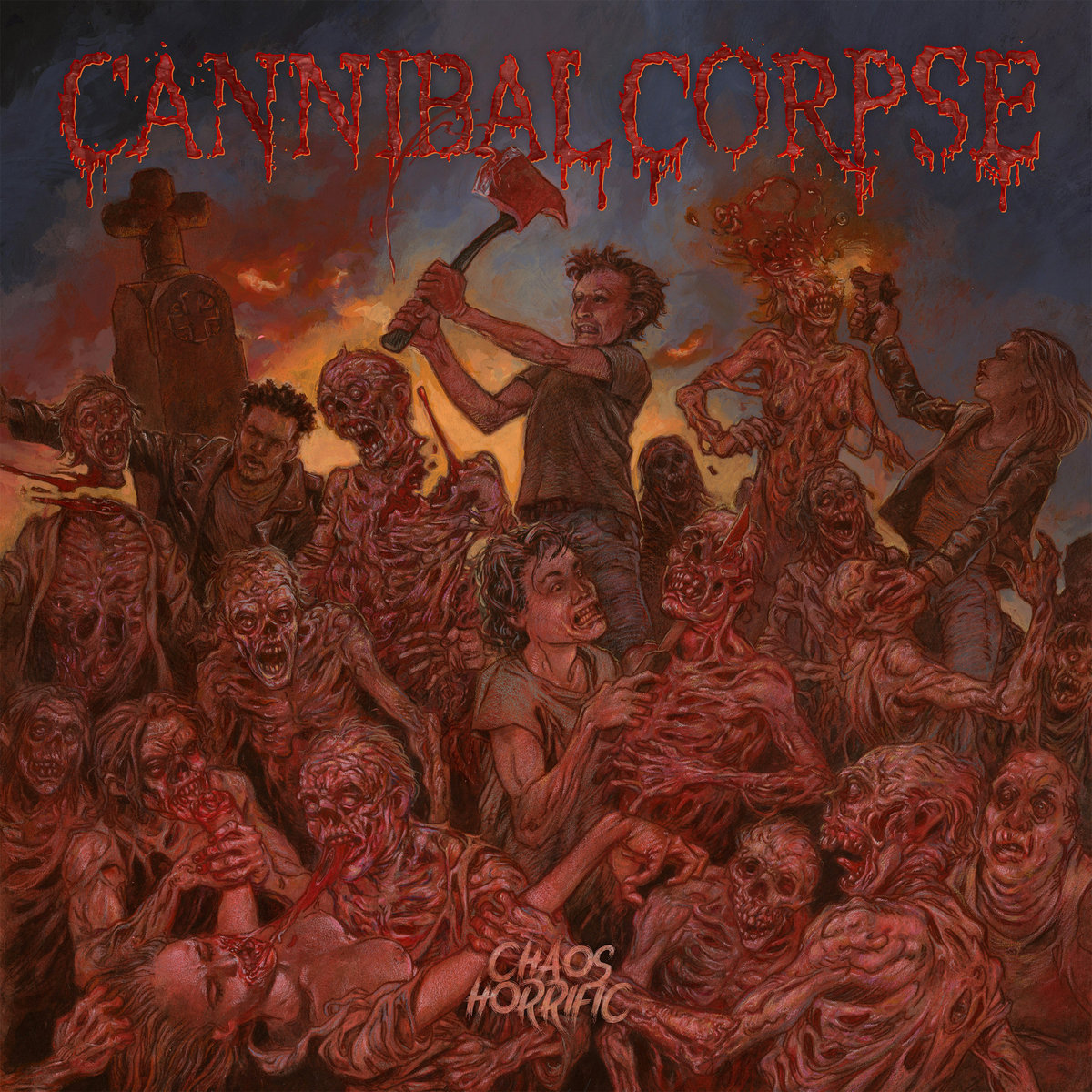
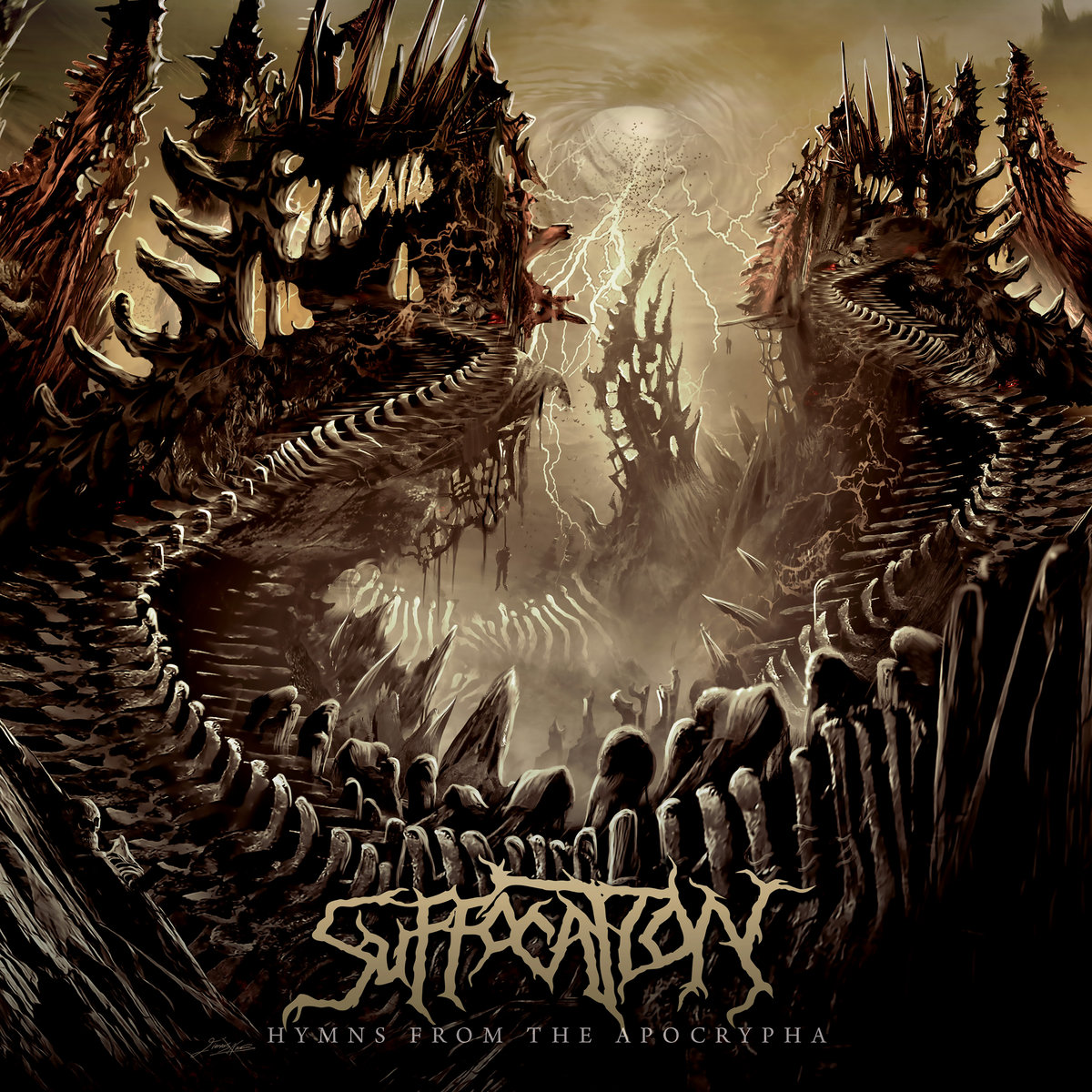
American death metal's regional scenes, from Florida's pioneering brutality to New York's technical precision, continue producing acts that honor the genre's foundational principles while incorporating contemporary production techniques. Bands like Cannibal Corpse and Suffocation have established templates that newer acts follow while developing their own interpretations of extreme metal expression.
Legacy Act Collaborations and Veteran Perspectives
The heavy music world's veteran contingent continues generating discussion through both musical collaborations and industry commentary. Accept's upcoming European performances featuring former Megadeth drummer Shawn Drover highlight how established acts maintain relevance through strategic partnerships and anniversary celebrations.
These cross-pollination events reflect heavy metal's interconnected history, where musicians' careers span multiple influential bands and their collaborations create unique performance opportunities. Drover's participation in Accept's 50th anniversary shows demonstrates how 80s metal bands leverage shared musical heritage to create compelling live experiences.
Meanwhile, ongoing discussions about Anthrax's vocal legacy reveal how bands navigate complex artistic histories. The prospect of performances featuring multiple vocalists from different eras would showcase American thrash metal's evolution while honoring distinct creative periods. Such collaborations could establish precedents for other bands with similarly complex lineages.
Dave Mustaine's recent comments about his influence on thrash metal's Big Four underscore how founding figures view their contributions to the genre's development. These perspectives offer insight into thrash metal's creative origins and the competitive dynamics that drove its rapid evolution during the 1980s.
Independent Artists Navigate Industry Challenges
Faetooth's rescheduling of their North American tour dates to August demonstrates how independent metal acts adapt to logistical challenges while maintaining momentum. The addition of new shows alongside rescheduled dates reflects strategic thinking about maximizing touring efficiency and fan accessibility.
Tour rescheduling has become increasingly common as bands navigate rising costs, venue availability, and complex routing requirements. Independent acts lack major label resources to absorb financial losses from cancelled shows, making strategic planning essential for survival. Faetooth's decision to expand their rescheduled tour suggests confidence in their fanbase's loyalty and market demand for their music.
The band's August touring window positions them within summer festival season, potentially opening opportunities for festival appearances and increased exposure. This timing strategy reflects how savvy independent bands leverage seasonal touring patterns to maximize their reach and revenue potential.
Future Implications for American Heavy Music
The convergence of legal victories against corporate monopolization and continued artistic innovation creates unprecedented opportunities for American heavy music's future development. If antitrust enforcement continues, the scene could see dramatic democratization of touring opportunities and venue access.
Independent promoters and venues may finally challenge Live Nation's exclusive arrangements, creating more opportunities for underground and mid-tier acts to access larger markets. This shift could revitalize regional scenes that have been systematically excluded from corporate touring circuits.
Simultaneously, bands like Hail the Sun prove that artistic innovation continues regardless of industry obstacles. Their technical prowess and creative vision represent how American metal pushes boundaries through individual artistic commitment rather than corporate support.
The combination of legal accountability and grassroots innovation suggests American heavy music may be entering a period of increased creative freedom and market accessibility. For fans and artists alike, these developments signal potential liberation from corporate gatekeeping that has long constrained the scene's natural diversity and innovation.
As legal proceedings continue and bands adapt to changing industry dynamics, the American metal landscape appears poised for significant transformation. The question remains whether artists and fans will seize these opportunities to build more equitable, artist-friendly alternative systems or simply watch corporate power reconsolidate under different arrangements.