Gothic Metal Renaissance and Thrash Revival Signal US Underground's Producer-Driven Evolution
The American metal underground is experiencing a fascinating duality in 2026, with gothic metal veterans embracing cutting-edge production while thrash acts reconnect with raw authenticity. This producer-driven evolution signals a broader shift in how US heavy music approaches creative collaboration, challenging traditional genre boundaries and opening new pathways for regional acts.
Gothic Metal's Production Revolution
Evanescence's partnership with modern producers Zakk Cervini and Jordan Fish for their upcoming "Sanctuary" album represents more than just a creative decision—it's emblematic of gothic metal's willingness to evolve sonically. Cervini's work with Spiritbox and Bad Omens, combined with Fish's experience with Bring Me The Horizon and Architects, brings a contemporary edge to Amy Lee's dark romanticism.
This producer-driven approach contrasts sharply with gothic metal's traditionally insular production methods. Where the genre once relied on established metal producers, acts are now seeking collaborators from metalcore, post-hardcore, and even electronic backgrounds. The strategy reflects gothic metal's understanding that emotional complexity requires sonic innovation.
For regional acts exploring atmospheric territories, this trend creates opportunities to experiment with unconventional production partnerships. Idle Heirs' atmospheric sludge approach could benefit from similar cross-genre collaboration, while post-metal acts gain validation for their experimental production choices.
Thrash Metal's Authenticity Countermovement
While gothic metal embraces production complexity, thrash metal veterans are pursuing the opposite direction. The genre's recent emphasis on raw recording techniques and minimal post-production reflects a desire to recapture the authenticity that defined early thrash. This movement coincides with renewed interest in thrash fundamentals among younger musicians.
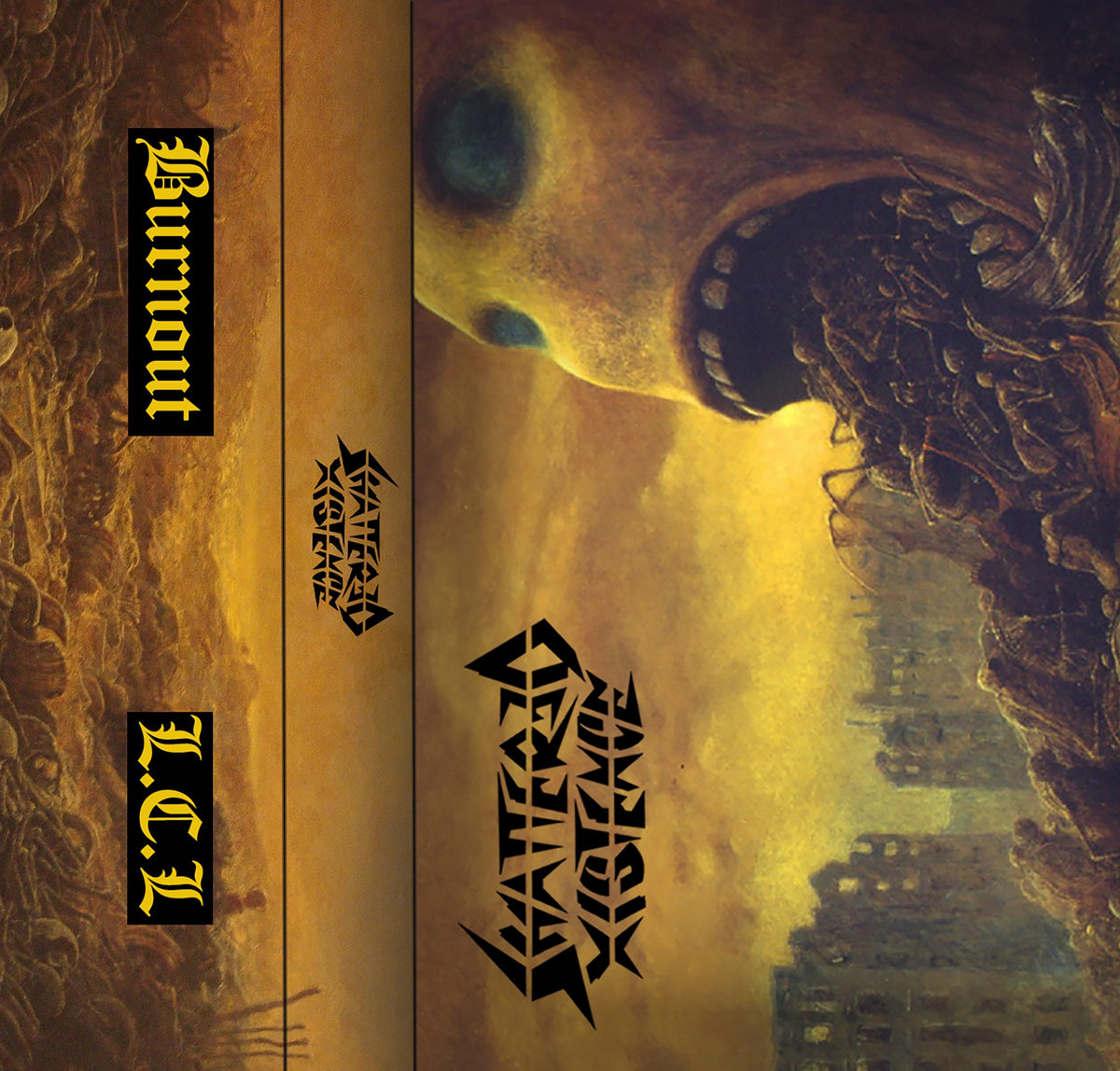
Regional thrash acts particularly benefit from this authenticity trend, as it levels the playing field between underground bands and major acts. Production budgets matter less when the aesthetic favors garage-level rawness over studio polish. Shattered Xistence and similar crossover thrash acts can compete directly with established names when authenticity trumps technical perfection.
The thrash revival also coincides with increased festival representation for what metal bands are touring in 2026. Regional festivals are booking more slots for authentic thrash acts, creating touring opportunities that were scarce during the over-produced 2010s.
Cross-Genre Producer Migration
The most significant development in 2026's metal landscape is the migration of producers between genres. Producers traditionally associated with hardcore are working with doom acts, while black metal producers are collaborating with progressive bands. This cross-pollination creates hybrid sounds that challenge established genre conventions.
This trend particularly impacts the US metal scene because American metal has always been more genre-fluid than European scenes. Regional acts can now access production techniques previously restricted to specific styles. A death metal band can incorporate post-rock production methods, while maintaining their core sound identity.
The producer migration also affects how new metal bands 2026 approach their debut recordings. Instead of seeking producers within their specific genre, emerging acts are prioritizing creative compatibility over stylistic tradition. This approach often results in more distinctive debut albums that stand out in crowded markets.
Legacy Acts Embracing Innovation
Veteran acts are driving much of this producer-driven evolution, demonstrating that innovation doesn't require youth. Bush's recent shift toward heavier territory illustrates how established acts can successfully incorporate modern production techniques while maintaining their core identity. Gavin Rossdale's emphasis on melody within heavy contexts reflects a sophisticated understanding of contemporary metal production.
Type O Negative's posthumous live recordings, curated by Kenny Hickey, represent another approach to production innovation. By applying modern mastering techniques to vintage performances, the project creates a bridge between gothic metal's past and present. This hybrid approach influences how other 80s metal bands approach archival releases.
The legacy innovation trend creates opportunities for regional veteran acts to reassess their recording approaches. Bands that have maintained consistent lineups can experiment with new production partnerships without risking their established identity. Overdrive's combination of groove and traditional heavy metal positions them perfectly for this type of production experimentation.
Regional Scene Adaptation
Regional metal scenes are adapting to these production trends in diverse ways. Areas with strong studio infrastructure can offer bands access to producers willing to experiment across genres. Cities with established metal communities provide networks for connecting acts with compatible producers.
The democratization of recording technology also means regional acts can experiment with production techniques previously reserved for major-label releases. Home studio setups can now achieve professional results, particularly when combined with experienced mixing and mastering services. This accessibility allows underground acts to compete sonically with established names.

Regional festivals are responding by booking acts that demonstrate production innovation alongside traditional genre representatives. This creates incentives for local bands to experiment with their sound while maintaining connection to their genre roots. The balance between innovation and authenticity becomes a key factor in regional scene success.
Electronic Integration and Industrial Crossover
The producer-driven evolution includes significant electronic integration across traditional metal genres. Industrial elements are appearing in death metal productions, while ambient textures enhance black metal atmospheres. This integration reflects producers' willingness to incorporate tools from outside traditional metal production.
Nine Inch Nails' collaborative projects demonstrate how electronic integration can enhance rather than replace traditional metal instrumentation. The approach influences regional acts seeking to expand their sonic palette without abandoning their metal identity. Electronic integration becomes a production technique rather than a genre shift.
Health's remix projects illustrate another aspect of electronic integration, where metal acts collaborate with electronic producers to reinterpret their material. These collaborations create new audiences while maintaining connection to existing fanbases. Regional metal acts can adopt similar strategies to expand their reach.
Impact on Emerging Artists
The producer-driven evolution particularly impacts emerging artists who must navigate expanded creative possibilities while establishing their identity. The abundance of production options can be overwhelming, but also provides opportunities to create distinctive sounds. Emerging acts benefit from studying how established bands balance innovation with genre authenticity.
The trend toward cross-genre production also means emerging acts can work with producers outside their immediate scene. A death metal band in a region dominated by hardcore can seek producers experienced with both styles. This flexibility expands creative possibilities while building connections across genre boundaries.
For bands looking to enter this evolving landscape, submit your band to connect with regional metal communities and discover local production resources. The key is finding producers who understand both traditional genre elements and contemporary innovation possibilities.
Future Implications
The producer-driven evolution suggests that 2026's metal landscape will be defined more by creative partnerships than by strict genre adherence. Acts that successfully balance innovation with authenticity will likely dominate both regional scenes and national attention. This balance requires understanding both traditional genre elements and contemporary production possibilities.
The trend also suggests that the best metal albums of all time from future decades will be remembered for their production innovation as much as their songwriting. Albums that successfully integrate diverse production techniques while maintaining genre identity will likely achieve lasting influence. This creates pressure for contemporary acts to think beyond traditional recording approaches.
Regional scenes that embrace this producer-driven evolution while maintaining their authentic identity will likely experience growth in both local participation and external recognition. The balance between innovation and tradition becomes crucial for long-term scene health and individual band success.