Doom Metal Dominance and Industrial Blues Innovation Drive Colorado's Genre-Blending Renaissance
Colorado's metal scene continues its ascendance as a creative powerhouse, with Denver doom metallers Khemmis announcing their ambitious self-titled album while New York's Travis Sedg Bacon explores uncharted industrial blues territory. These developments signal a broader renaissance in American heavy music, where genre boundaries dissolve and veteran acts push into unexplored sonic realms.
Khemmis Leads Doom Metal's National Expansion
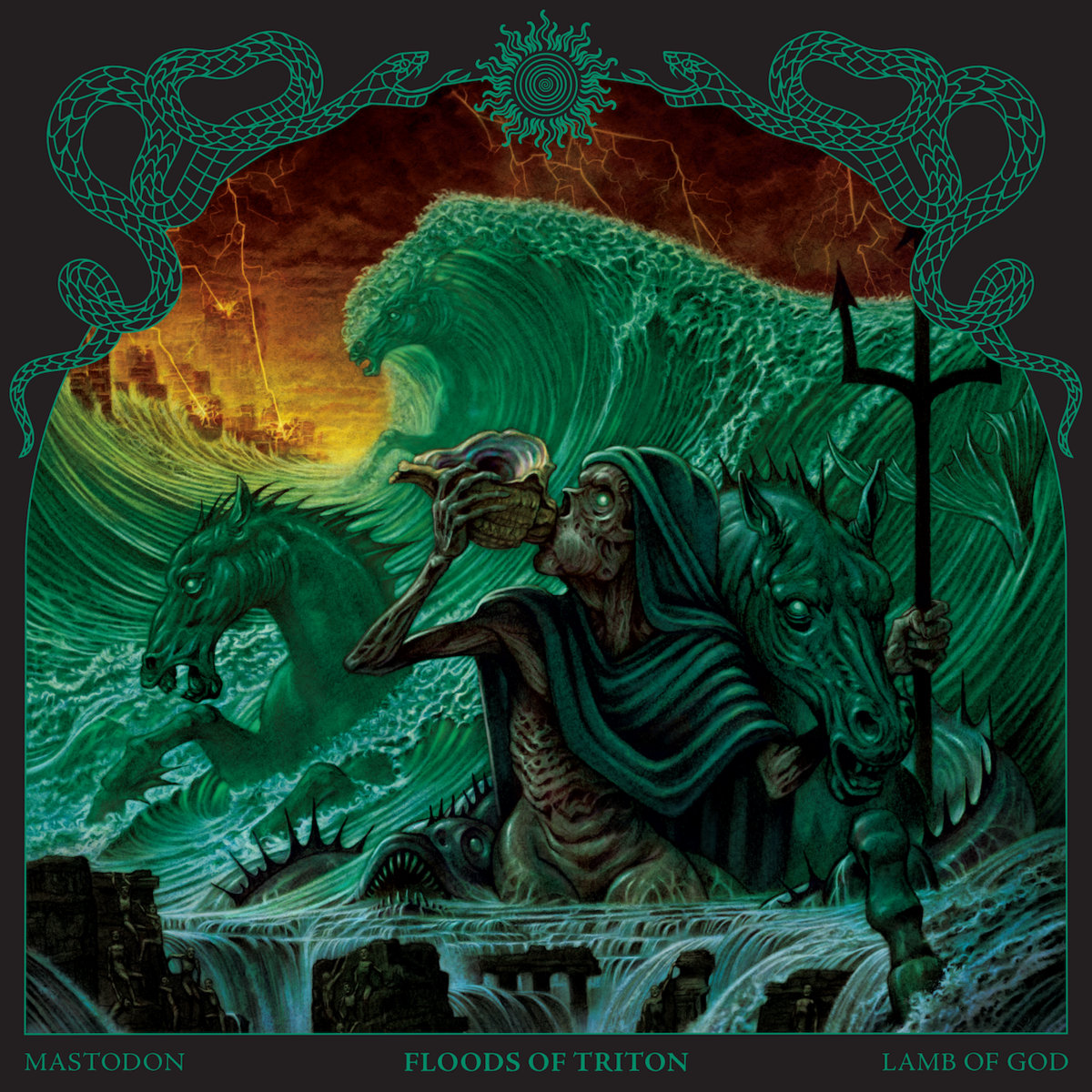
The announcement of Khemmis's new self-titled album, set for release on June 11th with lead single "Invocation of the Dreamer," represents more than just another doom metal release—it's a statement of artistic maturity from one of the genre's most compelling contemporary voices. The Colorado quartet's decision to go self-titled at this stage of their career suggests a crystallization of their artistic vision, much like how Mastodon evolved from progressive sludge experimentation into their own unmistakable identity.
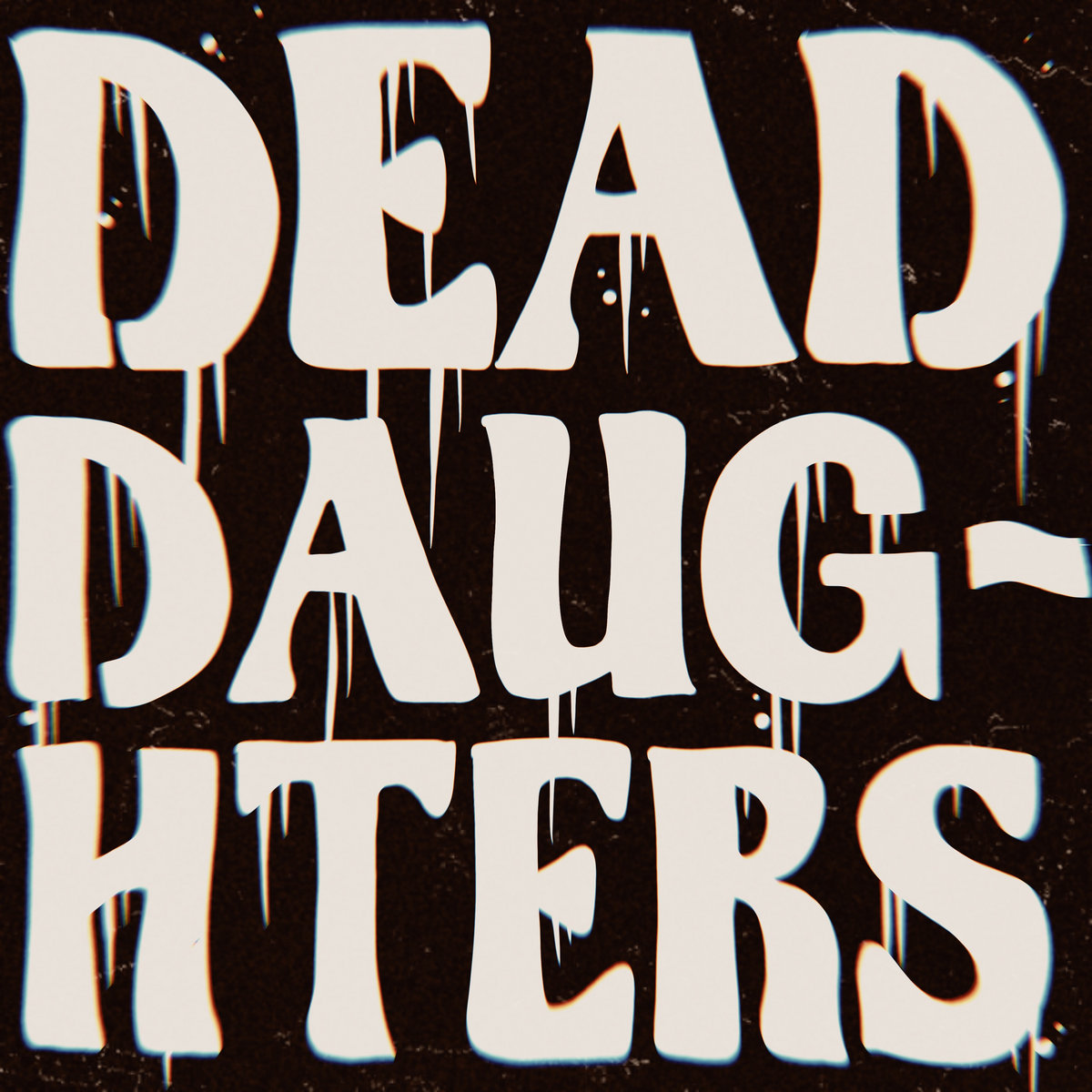
What makes Khemmis's trajectory particularly significant for the broader US metal scene is their ability to maintain doom metal's traditional weight while incorporating progressive and melodic elements that expand the genre's appeal. This approach has influenced a new generation of doom acts across the country, from Colorado's own underground to similar evolutionary paths taken by bands like Sleestak and Dead Daughters, who blend doom's crushing heaviness with stoner metal's psychedelic exploration.
The band's inclusion in RippleFest Texas 2026 alongside YOB and Greenleaf further cements their position in doom metal's elite tier. This festival placement demonstrates how regional scenes are interconnecting—Colorado bands gaining prominence in Texas, West Coast legends like YOB crossing regional boundaries, and the entire doom metal ecosystem benefiting from increased cross-pollination of ideas and audiences.
Industrial Blues: Travis Sedg Bacon's Genre-Defying Experiment
While Khemmis pushes doom metal forward through refinement, Travis Sedg Bacon of Black Anvil and Contracult Collective takes a radically different approach with his solo exploration of "industrial blues" on the new single "Dopamine." This genre fusion represents the kind of bold experimentation that has historically driven American metal's most significant innovations—from the crossover thrash movement of the 1980s to the nu-metal explosion of the late '90s.
Bacon's industrial blues concept taps into a rich vein of American musical DNA that connects the blues tradition with electronic manipulation and heavy guitar work. This approach mirrors what bands like The Dark achieve in their gothic rock framework—taking foundational American music forms and processing them through heavy, electronically-enhanced filters to create something entirely new yet deeply rooted.
The timing of this release coincides with broader trends in electronic-metal crossover, evidenced by the debut of Nine Inch Noize at Coachella, where Trent Reznor and Atticus Ross collaborated with Boys Noize to create an industrial supergroup. These high-profile experiments with electronic integration suggest that American metal is entering a period of renewed openness to technological augmentation and genre-blending approaches.
Veteran Acts Navigate Creative Renaissance
The announcement that Shadows Fall is nearing completion of a new album adds another layer to this narrative of creative renewal among established acts. The Massachusetts metalcore pioneers' return to active recording represents part of a broader pattern where veteran bands are reassessing their creative approaches and finding new energy for ambitious projects.
This veteran resurgence creates opportunities for newer bands across all metal subgenres. When established acts like Shadows Fall return with fresh material, it often signals to venues, festivals, and media outlets that there's renewed interest in their particular style—in this case, the technical metalcore that influenced countless new metal bands 2026 will likely embrace as they develop their own sounds.
The ripple effects extend beyond individual bands to entire regional scenes. Massachusetts has produced influential acts across multiple metal subgenres, and Shadows Fall's return could catalyze increased attention for the state's current crop of emerging bands, much like how Colorado's success with Khemmis has elevated the profile of Denver's entire metal community.
Festival Circuit Reflects Genre Diversity
The diverse lineup announcements across various festivals demonstrate how American metal festivals are embracing genre diversity rather than strict adherence to narrow stylistic parameters. RippleFest Texas 2026's combination of YOB's atmospheric doom, Khemmis's melodic heaviness, and Greenleaf's stoner rock creates programming that reflects how modern metal audiences consume music—across genre lines rather than within rigid categories.
This festival approach mirrors broader changes in how metal bands touring 2026 are being booked and promoted. Rather than strictly doom metal tours or purely black metal festivals, promoters increasingly recognize that audiences want variety and that the most successful events create conversations between different metal subgenres.
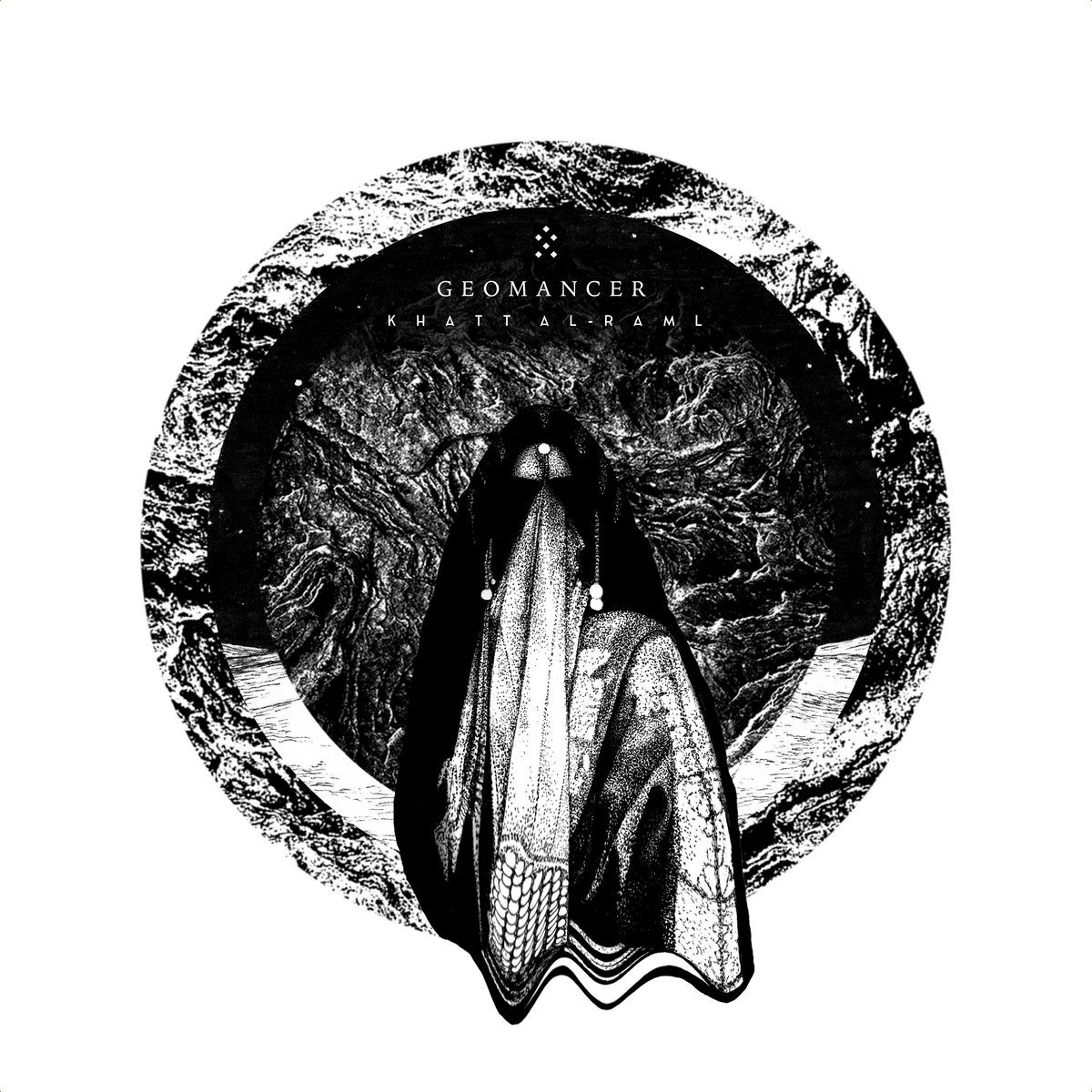
For emerging bands, this trend creates more opportunities to find appropriate stages for their music, regardless of whether they fit neatly into traditional genre categories. A band like Geomancer, whose blend of doom, progressive, and stoner elements might have seemed unmarketable in previous eras, now finds a welcoming environment where genre-blending is celebrated rather than discouraged.
Electronic Integration and Future Directions
The success of projects like Nine Inch Noize and HEALTH's ongoing remix series, including their latest "R-TYPE IV" release featuring work from the late GosT, indicates that electronic integration will continue playing a major role in American metal's evolution. These aren't superficial genre exercises but deep explorations of how electronic production techniques can enhance and transform heavy music's emotional impact.
Travis Sedg Bacon's industrial blues approach represents a particularly American take on this electronic integration—grounding futuristic sounds in traditional blues structures that connect to the foundational elements of all American heavy music. This approach could influence how other US acts approach electronic integration, emphasizing cultural continuity rather than complete breaks from musical tradition.
For the underground scene, these high-profile experiments with electronic integration create space for similar explorations at all levels of the metal ecosystem. Bands don't need major label resources or celebrity collaborators to experiment with industrial elements, sampling, or electronic manipulation—the tools are widely available, and the cultural acceptance is growing.
Regional Scenes Drive National Innovation
The current moment in American metal demonstrates how regional scenes continue driving national innovation. Colorado's doom metal excellence, Massachusetts's metalcore legacy, New York's experimental edge, and Texas's festival culture all contribute distinct elements to a national conversation about metal's future directions.
This regional diversity ensures that American metal remains dynamically creative rather than settling into predictable patterns. When a band like Khemmis achieves national recognition while maintaining their Colorado identity, it encourages other regional scenes to develop their own distinctive approaches rather than simply imitating established models.
The interconnection between these regional scenes through festivals, tours, and media coverage creates a robust ecosystem where innovation in one area quickly spreads to others, adapted and transformed according to local preferences and capabilities. This dynamic ensures that American metal remains at the forefront of global heavy music development, driven by the creative tensions between tradition and innovation that have always defined the country's musical culture.