Veteran Cynicism Meets Rising Brutality: Metal Legends Voice Disillusionment as Underground Acts Prepare for Global Domination
The American metal scene finds itself at a fascinating crossroads where established legends openly voice their disillusionment while emerging acts prepare for their biggest moments yet. This stark contrast reveals the complex emotional landscape of a genre grappling with its past achievements and future potential.
Tool's Maynard James Keenan Delivers Sobering Reality Check
When one of metal's most respected voices speaks, the scene listens. Maynard James Keenan's recent candid assessment that "the fucking world is on fire" and "we've lost the fucking way" resonates far beyond his Progressive Metal origins with Tool and Puscifer. His unfiltered perspective cuts through industry pleasantries to address what many veteran musicians feel but rarely vocalize publicly.
Keenan's worldview represents more than personal pessimism—it reflects the complicated relationship many metal veterans have with an industry that has fundamentally changed since their formative years. The Arizona-based musician has witnessed metal's evolution from underground rebellion to mainstream commodity, and his recent comments suggest the transformation hasn't been entirely positive.
This veteran cynicism creates an interesting dynamic within the broader metal community. While established acts question the direction of both their industry and society, younger bands continue pushing forward with undiminished enthusiasm and brutal creativity.
Deathcore's Visual Innovation Reaches New Extremes
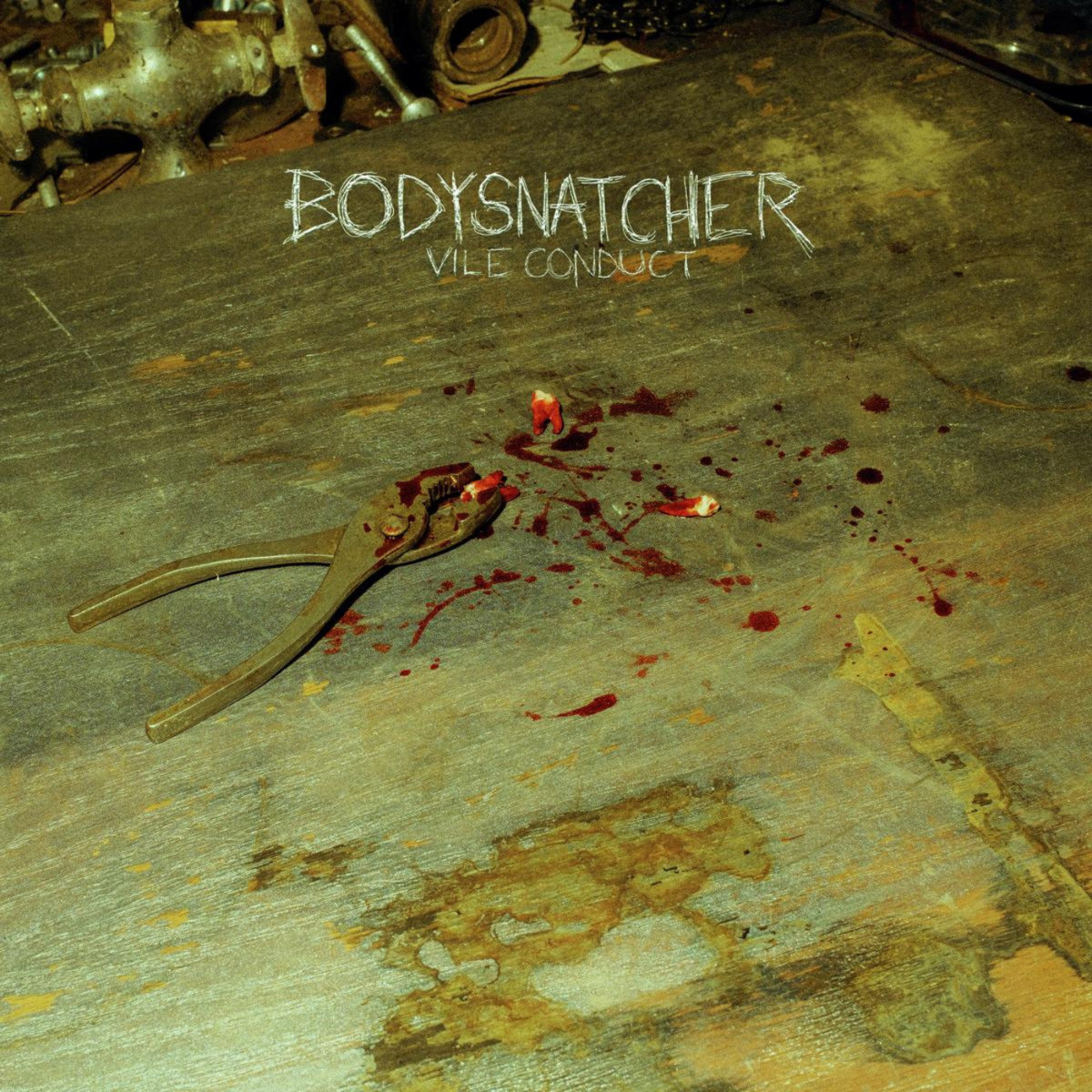
Standing in sharp contrast to veteran disillusionment, Bodysnatcher exemplifies the fearless creativity still thriving in metal's underground. Their upcoming album "Hell Is Here, Hell Is Home" drops this Friday, accompanied by their grotesquely innovative "Plague of Flies" music video that pushes visual boundaries in ways that would make early death metal pioneers proud.
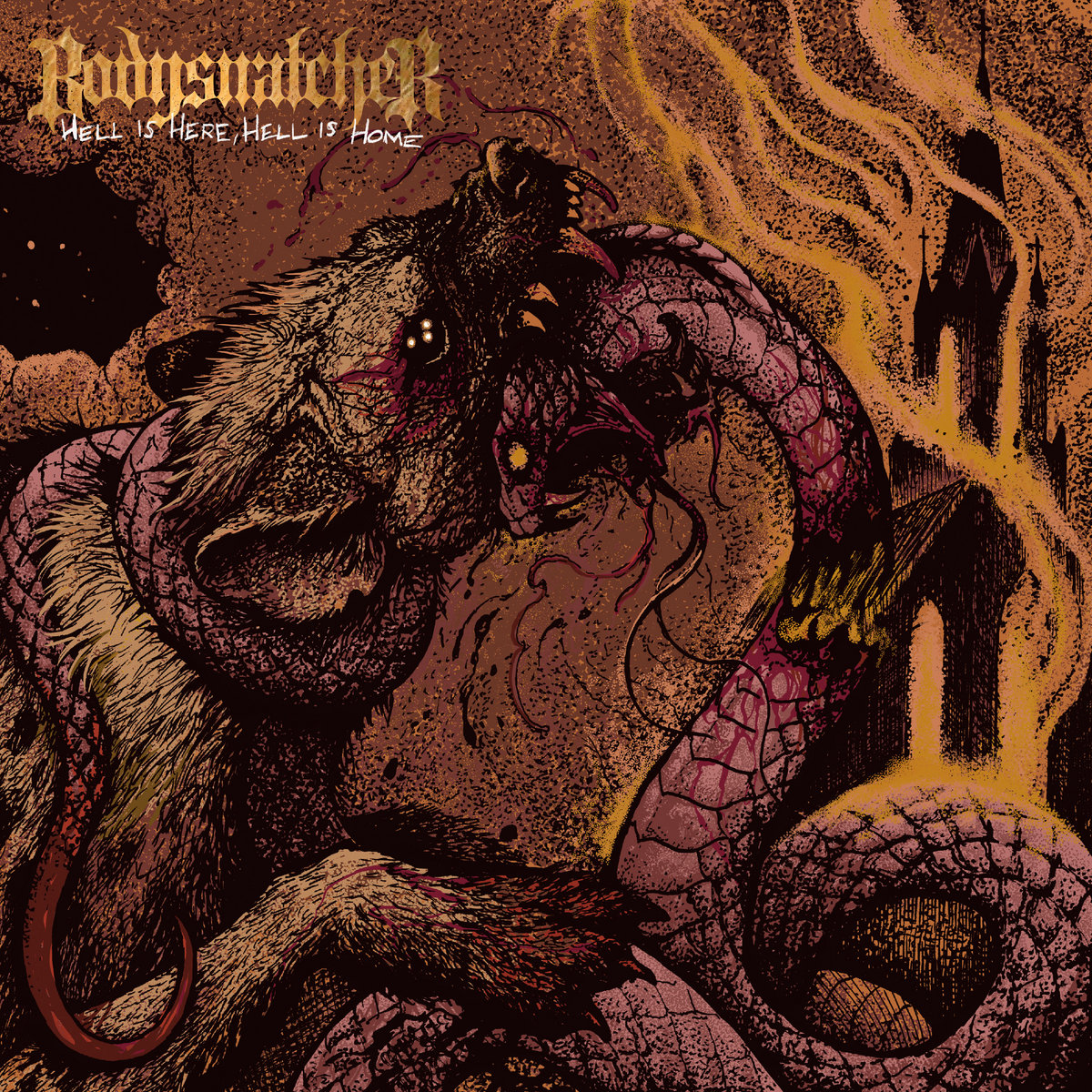
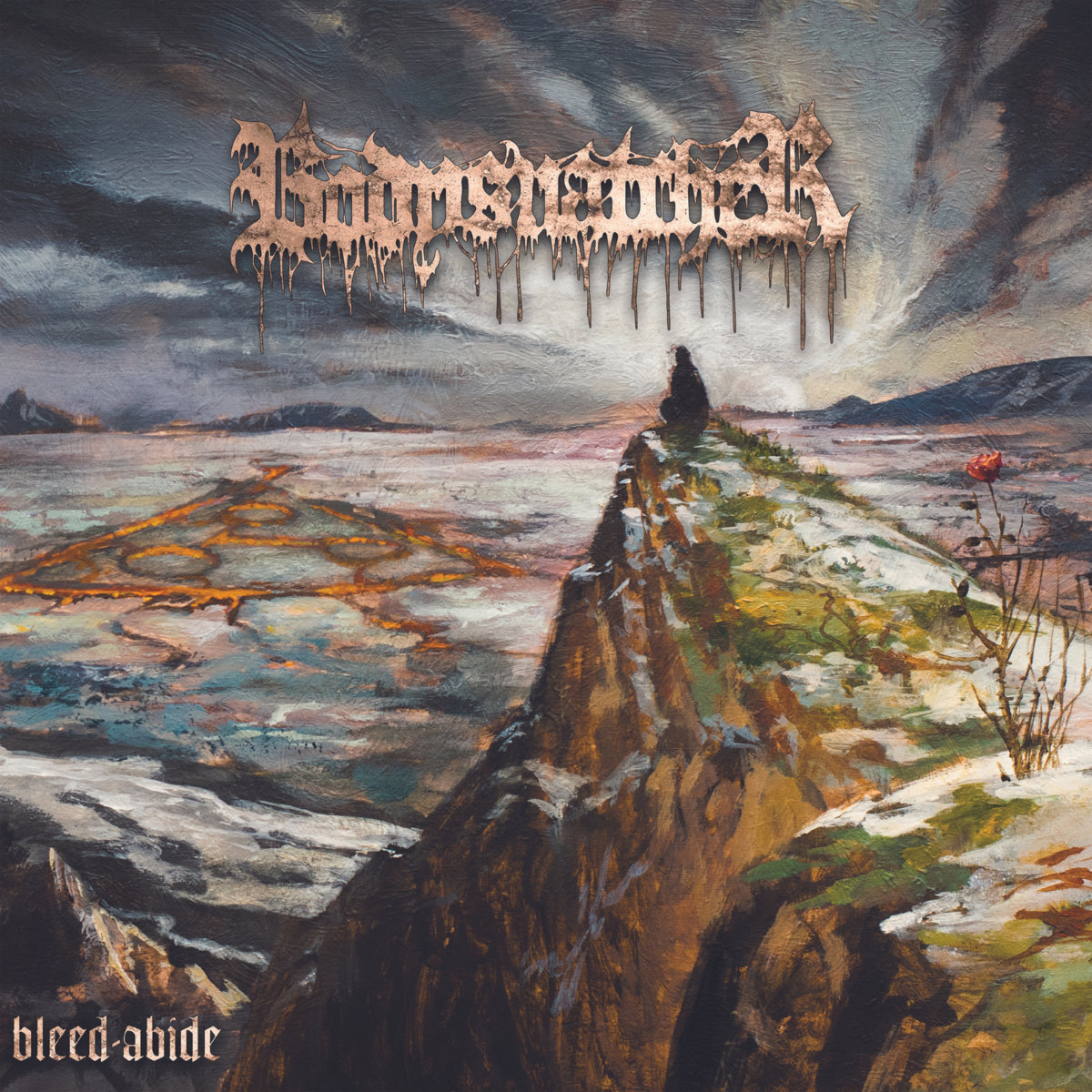
The Florida-based beatdown hardcore and deathcore act represents everything that remains vital about American extreme music. While industry veterans question the scene's direction, Bodysnatcher continues crafting the kind of uncompromising brutality that defines the best death metal bands emerging from the US underground.
Their visual approach to "Plague of Flies" demonstrates how modern extreme acts are expanding beyond pure sonic assault. By embracing deliberately disturbing imagery that matches their crushing sound, Bodysnatcher shows how the US metal scene continues evolving through bands willing to challenge both musical and visual conventions.
Lineup Warfare and Legacy Management
The personnel changes affecting major acts reveal another dimension of metal's current tensions. Godsmack's recruitment of guitarist Sam Koltun and drummer Wade Murff for their 2026 tour reflects how established bands must constantly adapt to maintain their touring presence. These strategic additions keep veteran acts competitive while offering opportunities for emerging musicians to reach larger audiences.
Similarly, Corrosion of Conformity's integration of new touring drummer Nick Shabatura demonstrates the delicate balance between preserving established sounds and incorporating fresh energy. Woody Weatherman's commitment that "as long as we're still here, we'll be touring" with plans extending through 2027 shows how some veterans remain optimistic about metal's future, even as their peers express growing cynicism.
These lineup adjustments aren't just personnel decisions—they're strategic moves that determine which bands will define what metal bands are touring in 2026 and beyond. The most successful acts are those adapting without compromising their core identity.
International Influences and Cross-Pollination
The American metal landscape continues benefiting from international cross-pollination, with UK post-hardcore innovators Rolo Tomassi bringing their "Tempest" tour to US venues this July. Their "In The Echoes of All Dreams" vinyl release demonstrates how overseas acts contribute to American heavy music culture while expanding their own global reach.
This international exchange enriches the domestic scene by introducing American audiences to different approaches to heavy music construction. Rolo Tomassi's mathematical precision and emotional intensity offer American bands examples of how technical complexity can serve emotional expression rather than overshadowing it.
The cross-cultural metal exchange works both ways, with American extreme acts like Bodysnatcher influencing international deathcore development while absorbing innovative approaches from overseas contemporaries.
Major Label Renaissance and Underground Persistence
Evanescence's announcement of their "Sanctuary" album, featuring collaborations with producers who've worked with Bring Me The Horizon and Spiritbox, signals how major-label metal acts are adapting to current production trends. Their "Who Will You Follow" single represents strategic positioning within metal's evolving sound palette.
These high-profile releases create interesting dynamics for underground acts. While major-label productions receive extensive promotion and radio play, they also create space for extreme acts to define themselves in opposition to more commercially accessible approaches.
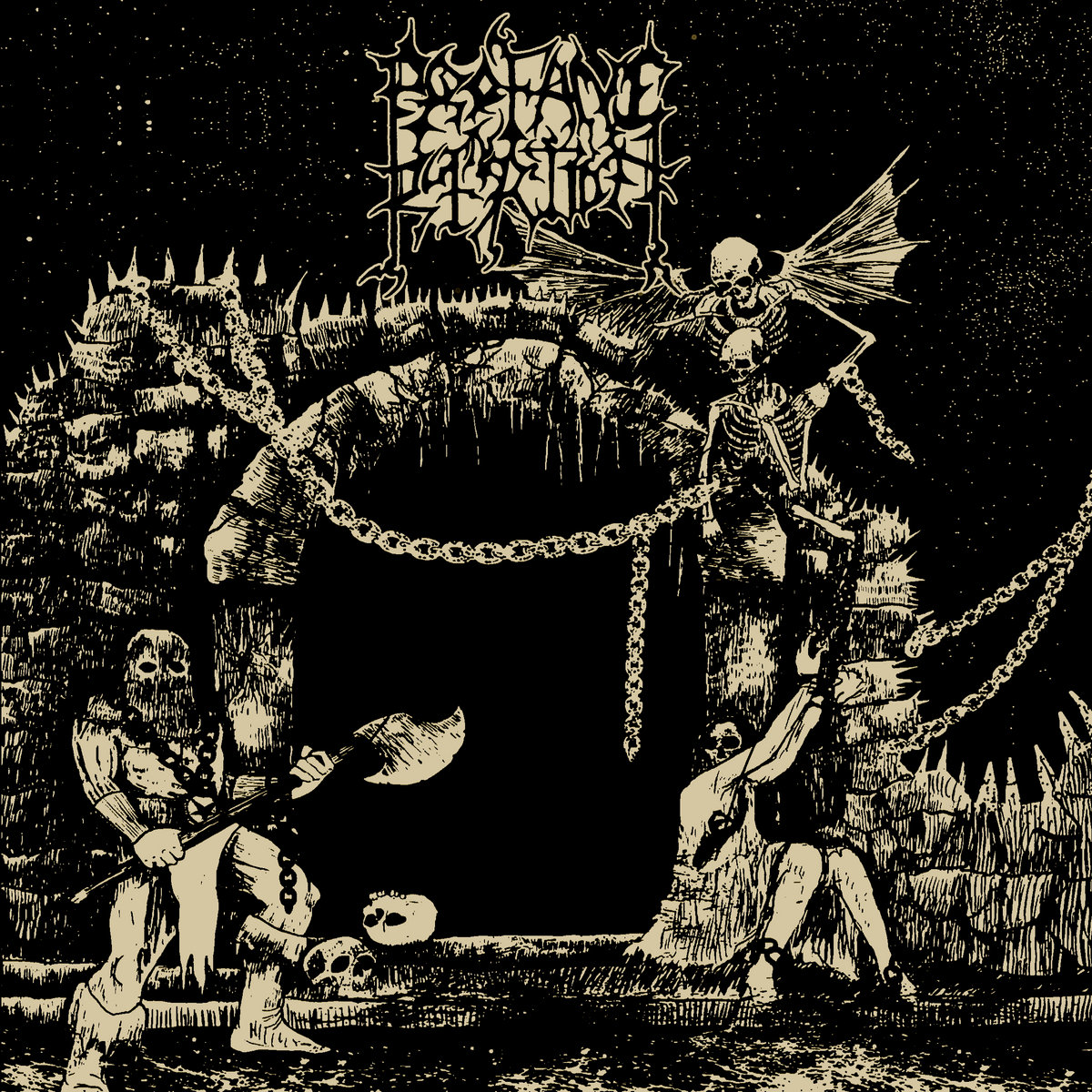
The coexistence of major-label polish and underground brutality ensures that American metal maintains both mainstream visibility and subcultural authenticity. Bands like Profane Ruination and other Death Metal acts benefit from this dynamic by appealing to listeners seeking alternatives to radio-friendly metal.
Tour Package Strategy and Audience Development
Castle Rat's inclusion on the Dethklok and Amon Amarth tour package exemplifies how emerging acts leverage established headliners to reach new audiences. Their "Siren" music video release timing demonstrates strategic thinking about maximizing exposure during major touring opportunities.
These package tours serve multiple functions within metal's ecosystem. Headliners benefit from emerging acts' energy and contemporary relevance, while support bands gain access to audiences they might never reach independently. The arrangement creates mutually beneficial relationships that strengthen the scene's overall health.
For American metal's development, these tour packages represent crucial opportunities for genre cross-pollination and audience expansion. They also provide emerging acts with professional experience that prepares them for headlining responsibilities.
Classic Metal's Ongoing Influence
John Bush's Whisky A Go Go performance of Anthrax's "Random Acts Of Senseless Violence" demonstrates how classic metal continues influencing current scene development. His cross-band career with both Anthrax and Armored Saint represents the kind of versatility that defined earlier metal generations.
These classic performances serve as educational opportunities for younger musicians and audiences. They demonstrate how foundational metal techniques and approaches remain relevant for contemporary band development, even as production methods and cultural contexts evolve.
The connection between classic acts and current developments helps maintain metal's cultural continuity while allowing for innovation and evolution.
Looking Forward: Optimism Amid Uncertainty
Despite veteran cynicism about broader cultural and industry trends, American metal's creative vitality remains undeniable. The contrast between Keenan's world-weary perspective and Bodysnatcher's uncompromising brutality illustrates metal's capacity for containing multiple emotional and artistic approaches simultaneously.
The new metal bands 2026 landscape includes both major-label releases and underground extremity, ensuring that American heavy music continues serving diverse audience needs. Whether listeners seek polished production or raw brutality, the current scene provides multiple pathways for engagement.
This diversity represents metal's greatest strength: its ability to remain relevant across different cultural moments and personal experiences. As veterans voice their concerns about cultural direction, emerging acts continue crafting music that speaks to current realities with undiminished power and creativity.
The American metal scene's future depends on maintaining this balance between veteran wisdom and emerging innovation, ensuring that both perspectives contribute to the genre's ongoing evolution and cultural relevance.