Christian Metalcore Backlash and Classic Rock Tributes Expose American Heavy Music's Cultural Battlegrounds
Religious controversy erupts within Christian metalcore circles as Magdalene Rose faces church boycotts for her upcoming tour, sparking heated debates about acceptable heaviness within faith-based metal communities. Meanwhile, classic rock tributes featuring all-star lineups demonstrate how veteran musicians are preserving heavy music heritage through collaborative performances, revealing the stark cultural divides shaping American metal's evolution.
Faith-Based Metal Faces Internal Opposition
The controversy surrounding Christian metalcore artist Magdalene Rose's tour boycotts highlights persistent tensions within religious metal communities about musical intensity and spiritual messaging. Church groups have organized resistance to her performances, claiming her sound is "too heavy" for Christian audiences—a complaint that would seem laughably mild to anyone familiar with the brutal output from Solid State Records' legendary late 90s and early 2000s roster.
This development exposes deeper questions about authenticity and acceptance within faith-based heavy music scenes. The irony isn't lost on veteran observers who remember when bands like Zao, Living Sacrifice, and Norma Jean were pushing extreme boundaries while maintaining their Christian identity. Those acts helped establish that spiritual conviction and crushing heaviness could coexist, yet here we are two decades later watching similar battles unfold.
The situation mirrors broader cultural tensions affecting metal scenes nationwide. Religious communities that once embraced heavier Christian acts now seem increasingly conservative, while secular metal continues embracing more extreme expressions. This creates a challenging environment for artists like Magdalene Rose, who must navigate both spiritual authenticity and artistic integrity.
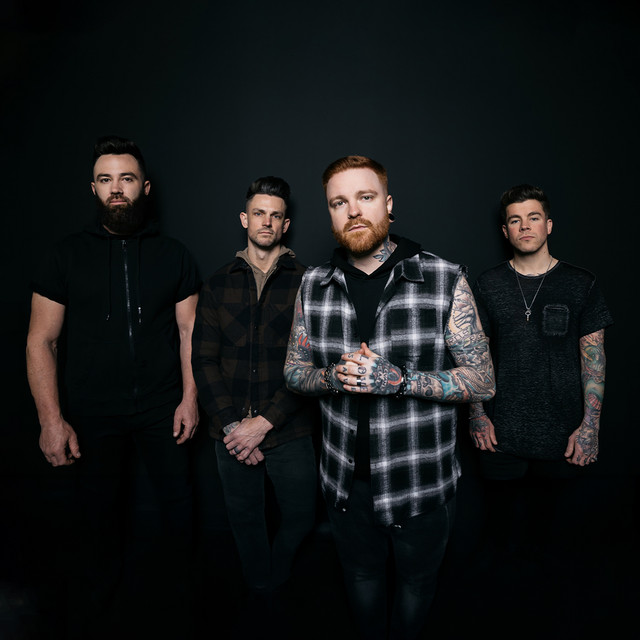
For American metalcore acts operating within Christian contexts, these controversies represent both obstacles and opportunities. Bands like Memphis May Fire have successfully balanced faith-based messaging with aggressive musicianship, proving that devoted audiences exist for heavy Christian content. The key lies in building communities that understand heavy music's emotional and spiritual power rather than fearing its intensity.
All-Star Collaborations Celebrate Heavy Music Heritage
Legendary rock band Cactus's album release concert showcased how veteran musicians are preserving heavy music heritage through collaborative performances. Their show featured appearances from Billy Sheehan, Doug Aldrich, Doug "Dug" Pinnick, and Bumblefoot, creating a masterclass in blues-rock foundations that influenced countless metal acts.
These multi-generational collaborations serve crucial functions within American heavy music culture. They connect younger audiences with foundational influences while demonstrating how classic rock's heaviness directly inspired metal veterans who came up through the 80s and 90s. The presence of bass virtuoso Billy Sheehan, whose work with Mr. Big and David Lee Roth established technical standards still referenced today, brings credibility and educational value to these performances.
Original drummer Carmine Appice's participation particularly resonates with metal historians. His work with Vanilla Fudge and Beck, Bogert & Appice helped establish the heavy, groove-oriented drumming that would later influence proto-metal and early heavy metal developments. When modern audiences witness these performances, they're experiencing direct connections to heavy music's evolutionary roots.
The strategic value of such collaborations extends beyond nostalgia. They demonstrate how experienced musicians maintain relevance while nurturing emerging talent. Guitar virtuoso Ron "Bumblefoot" Thal's involvement bridges classic rock traditions with modern technical approaches, showing how innovation builds upon established foundations rather than rejecting them entirely.
Southern Metal Legends Plan Extended Futures
Corrosion of Conformity's Woody Weatherman recently confirmed the band's long-term touring commitment, revealing that planning for 2027 dates is already underway. This announcement reinforces how veteran Southern metal acts are approaching career longevity with strategic planning rather than retirement speculation.
The band's approach reflects broader trends within American metal's veteran tier. Rather than announcing farewell tours or gradual wind-downs, established acts are making multi-year commitments that demonstrate confidence in their continued relevance. Weatherman's comments about industry planning cycles reveal how professional touring operations now require years-ahead booking, making spontaneous decisions increasingly difficult for major acts.
Corrosion of Conformity's persistence carries particular significance for Southern metal scenes. Their blend of punk aggression, metal heaviness, and regional musical traditions established templates that countless regional acts still follow. Their continued activity provides inspiration for younger bands while maintaining connections to metal's underground origins.
This contrasts sharply with the sudden farewell announcements affecting other veteran acts. Spirit Adrift's surprise final album release demonstrates alternative approaches to career conclusions, but Corrosion of Conformity's commitment to extended activity provides stability within an increasingly unpredictable industry landscape.
Touring Circuit Developments Signal Genre Evolution
Castle Rat's inclusion on the massive Dethklok and Amon Amarth tour represents significant opportunities for emerging acts to reach established audiences. Their "Siren" music video release strategically coincides with tour preparations, demonstrating how modern bands coordinate multimedia campaigns with major touring opportunities.
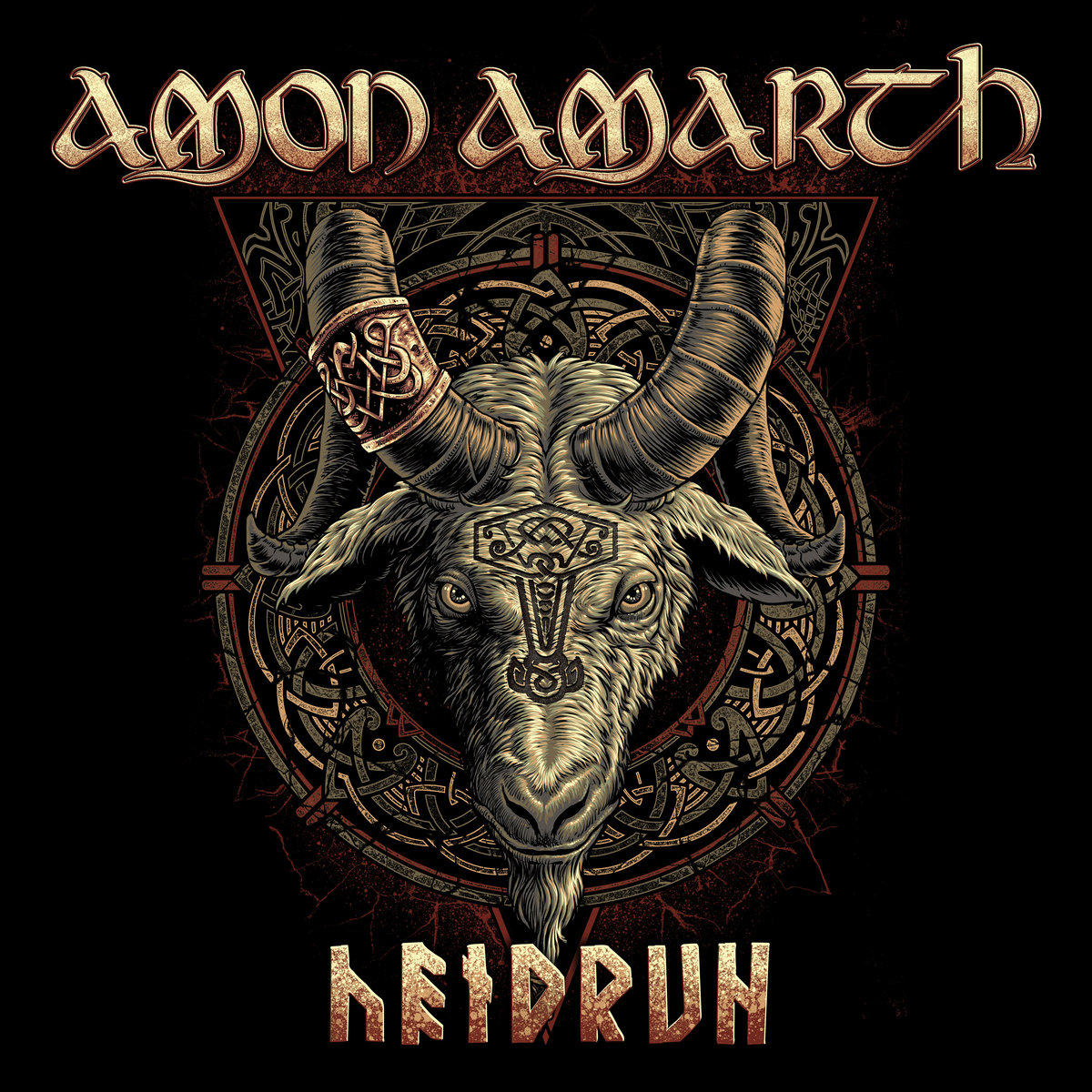
The pairing of melodic death metal veterans Amon Amarth with cartoon metal pioneers Dethklok creates unique audience dynamics. Castle Rat must appeal to both technical death metal purists and comedy-metal enthusiasts, requiring versatile performance approaches and broad musical appeal. This challenge mirrors situations facing many regional acts when joining diverse festival lineups or multi-genre tours.
Such high-profile opening slots often define career trajectories for emerging bands. The exposure potential from performing before Dethklok and Amon Amarth audiences could establish Castle Rat within broader metal communities, particularly if they deliver memorable performances that convert casual observers into dedicated fans.
The strategic timing of their "Siren" video release demonstrates professional music marketing adaptation. Rather than releasing content randomly, they're coordinating visual materials with tour announcements to maximize impact and audience engagement. This approach reflects how modern metal bands must think across multiple platforms and promotional channels simultaneously.
Veteran Returns and Industry Longevity
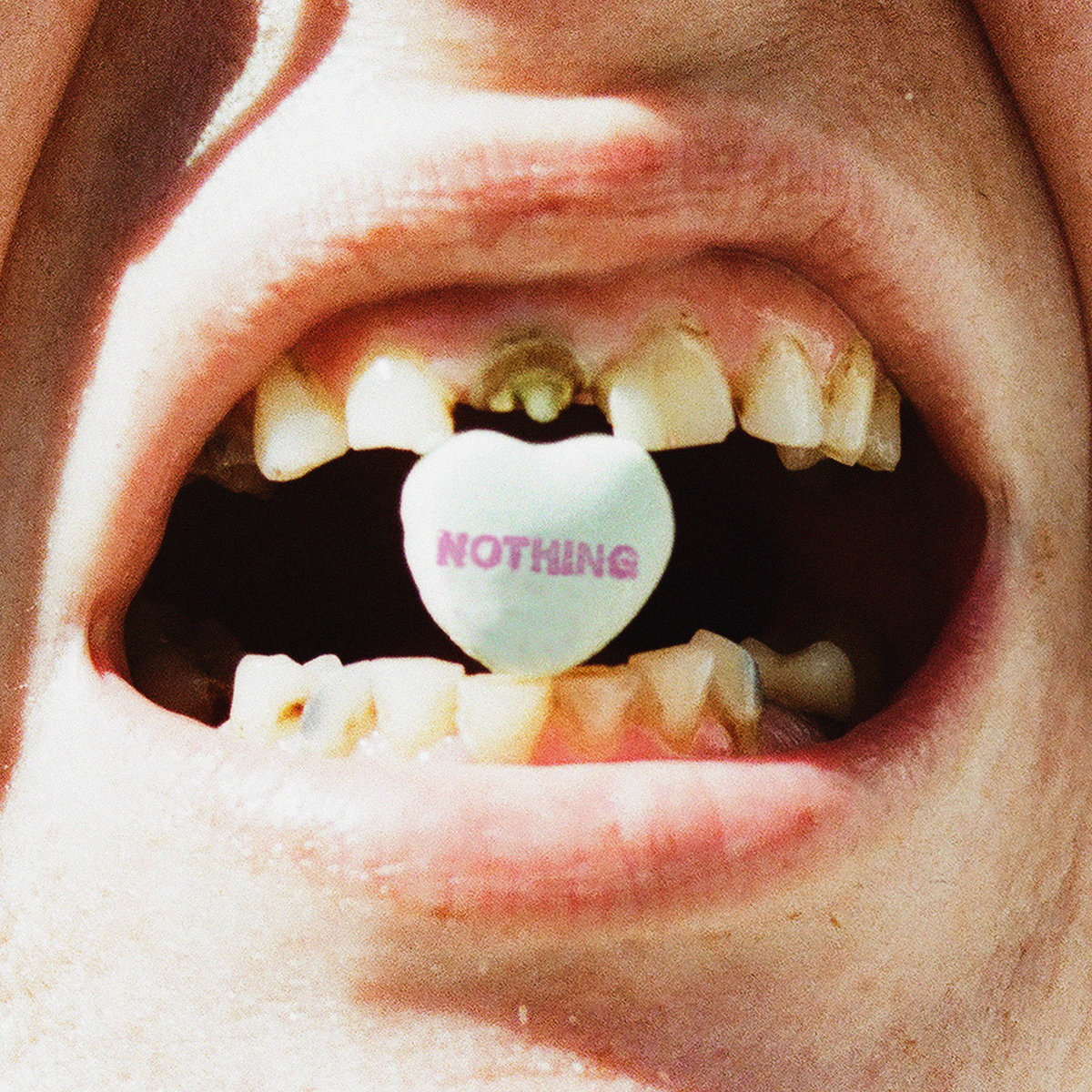
Jeffrey Nothing's announcement of his first tour in eight years, accompanied by his new album "202SICK," showcases how former major-act members are reclaiming solo careers after extended absences. His departure from Mushroomhead marked the end of an era for alternative metal, but his return suggests unfinished creative business rather than nostalgic cash-grabs.
The eight-year gap between touring cycles reflects both personal choices and industry changes. Modern metal fans often maintain loyalty to specific vocalists even when they leave established bands, creating opportunities for solo ventures that might not have existed in previous decades. Jeffrey Nothing's return tests whether his distinctive vocal approach retains audience appeal outside Mushroomhead's theatrical framework.
His timing coincides with broader alternative metal revival trends. Bands from that era are experiencing renewed interest as younger audiences discover 90s and early 2000s acts through streaming platforms. This creates favorable conditions for veteran performers to reconnect with original fans while attracting new listeners unfamiliar with their previous work.
The album title "202SICK" suggests continued engagement with contemporary social and cultural themes rather than simple nostalgia-mining. This approach indicates serious artistic intentions rather than merely trading on past reputation, which often determines long-term success for returning veteran acts.
These developments collectively illustrate American heavy music's complex cultural landscape, where faith-based controversies coexist with veteran celebrations, touring opportunities create career-defining moments, and extended absences can lead to triumphant returns. The scene's diversity continues generating both tensions and opportunities that define modern metal's evolution across regional and national stages.