Animated Visuals and Creative Comebacks: Animation Studios Partner with Metal Acts While Veterans Plan Unlikely Returns
The intersection of metal music and visual artistry is reaching unprecedented heights as bands increasingly turn to animation studios for creative collaborations, while legendary acts announce surprising comebacks that seemed impossible just months ago. This convergence of artistic mediums and career resurrections is reshaping how both established and emerging metal acts approach their creative output and fan engagement strategies.
Animation Studios Enter Metal's Creative Sphere
The partnership between metal bands and animation studios represents a fascinating evolution in how extreme music presents itself visually. Soulfly's collaboration with Creeptoons for their upcoming "Favela/Dystopia" animated music video demonstrates how established metal acts are embracing new forms of visual storytelling. This trend reflects metal's growing sophistication in multimedia presentation, moving beyond traditional performance footage to explore narrative-driven animated content.
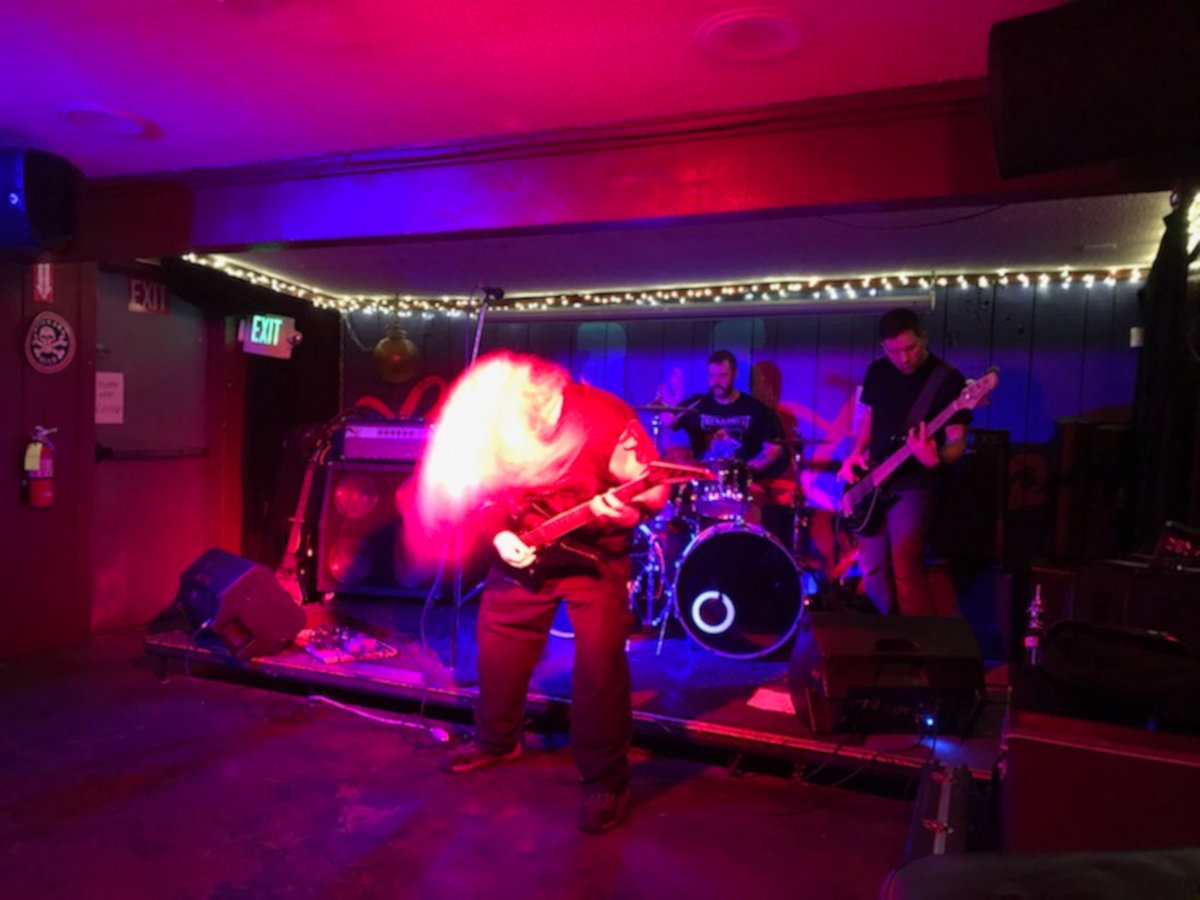
Animation offers metal bands unique advantages in visual expression, allowing for surreal imagery and fantastical concepts that would be impossible or prohibitively expensive to capture in live-action formats. The medium's ability to visualize abstract concepts and extreme scenarios aligns perfectly with metal's often apocalyptic and fantastical lyrical themes. For death metal acts like our regional powerhouses Carnotaurus and Mortius, this artistic approach could provide compelling new ways to present their brutal musical visions.
The financial considerations also make animation attractive for many metal acts. While high-end animation can be expensive, it often provides more creative control and potentially better return on investment compared to elaborate live-action productions. This democratization of sophisticated visual content could particularly benefit the US metal scene's underground acts, allowing them to compete visually with larger-budget productions.
Progressive Metal Legends Plot Unexpected Returns
Nevermore's announcement of new material arriving in early 2027 represents one of metal's most significant comeback stories. Jeff Loomis's confirmation that the reformed lineup is actively working on fresh compositions signals a major development for progressive metal fans who thought the band's story had concluded permanently. The resurrection of Nevermore, featuring Loomis and Van Williams alongside new members, demonstrates how veteran progressive metal acts are finding ways to continue their artistic journeys despite previous setbacks.
This comeback trend extends beyond progressive metal, with Winger's Kip Winger adopting a "never say never" attitude toward future live performances despite previous retirement announcements. Such reversals highlight the complex relationship between veteran artists and retirement in heavy music. Unlike other genres where aging out is more accepted, metal's inherently rebellious nature seems to resist traditional career conclusions.
The resurgence of these acts creates interesting opportunities for the broader US metal scene. Veteran returns often generate renewed interest in their respective subgenres, potentially benefiting contemporary acts working in similar styles. Progressive metal bands like Cody Conde and The Forever Project could find expanded audiences as fans rediscover their appreciation for complex, technically-driven metal.
Health Challenges and Career Longevity
The reality of aging in metal becomes apparent through health-related tour cancellations, as evidenced by Chris Holmes postponing his 2026 UK and Scandinavian dates due to medical issues requiring immediate attention. These situations underscore the physical demands of metal performance and touring, particularly for artists who have maintained decades-long careers in an inherently demanding musical genre.
Anvil's Steve "Lips" Kudlow offers a contrasting perspective at 70 years old, firmly rejecting retirement and encouraging fans to see their favorite bands while they can. His philosophy that "you don't retire from music" represents a defiant stance against aging that resonates deeply within metal culture. This attitude reflects metal's core values of persistence and refusal to surrender to conventional expectations.
The health challenges facing veteran metal musicians serve as important reminders for both artists and fans about the finite nature of musical careers. For the US metal scene, this creates urgency around supporting both established and emerging acts, recognizing that today's underground bands are tomorrow's legacy artists.
Cultural Commentary and Artistic Integrity
Maynard James Keenan's recent comments about the world being "on fire" and society having "lost the fucking way" exemplify metal's traditional role as social commentator. His blunt assessment reflects the genre's longstanding function as a voice for frustration and societal criticism. This type of unfiltered commentary continues to distinguish metal from more commercially-minded music genres.
The ongoing debate about AI-generated music finds a passionate voice in Helloween's Michael Kiske, who characterizes AI as "the devil" when it replaces human creativity. His emphasis on "human originality that has spirit and soul" versus "fake perfection" articulates concerns many metal musicians share about technological encroachment on artistic expression. This resistance to artificial creation aligns with metal's emphasis on authentic human expression and emotional catharsis.
These cultural discussions particularly resonate within the US metal scene, where authenticity and artistic integrity remain paramount values. Regional acts across all subgenres, from black metal bands like Darkspawn to doom metal acts like Penance, benefit from this continued emphasis on genuine human creativity over technological shortcuts.
Documentary Recognition and Therapeutic Value
The emergence of "Heavy Healing," a documentary exploring extreme music's therapeutic and recuperative properties, provides important validation for metal's positive psychological effects. This academic and medical recognition of metal's healing potential counters decades of negative stereotyping and demonstrates the genre's genuine value beyond pure entertainment.
The documentary's central message that "when you strip away the doctors and family and friends' support, it's the music that gets you through it all" resonates with countless metal fans who have experienced the genre's cathartic power personally. This scientific validation could help legitimize metal therapy and music-based healing approaches within mainstream healthcare settings.
For the US metal scene, this recognition creates new opportunities for community outreach and social engagement. Local metal communities could develop programs highlighting music's therapeutic benefits, potentially attracting new audiences and demonstrating metal's positive social impact.
Industry Personnel Changes and Professional Standards
Jay Weinberg's reflection on his 2023 Slipknot departure, suggesting he "became a scapegoat for certain things," highlights ongoing personnel dynamics within major metal acts. His candid discussion of splits from multiple prominent bands reveals the complex professional relationships that can make or break musical careers. Such transparency about industry politics provides valuable insights for aspiring musicians about the business realities beyond creative collaboration.
Sanctuary's return with their first single in over seven years, "Not Of The Living," represents a more positive personnel story, showing how bands can successfully continue following the loss of key members. Their ability to create new material following Warrel Dane's passing in 2017 demonstrates resilience and creative adaptation in the face of tragedy.
These contrasting stories offer important lessons for emerging bands about both the challenges and possibilities within professional metal careers. Understanding both the potential pitfalls and successful strategies can help new acts navigate their own career development more effectively.
The current metal landscape presents unprecedented opportunities for creative expression through new media partnerships, while veteran acts continue demonstrating that age and setbacks need not end artistic careers. As animation studios recognize metal's visual potential and legendary bands refuse conventional retirement, the US metal scene benefits from expanded creative possibilities and renewed energy across all subgenres. The key for regional acts lies in learning from these industry developments while maintaining the authentic expression that defines truly compelling metal music.