Shadows Fall Returns with New Album While Veteran Bands Navigate Modern Metal's Shifting Landscape
Massachusetts metalcore pioneers Shadows Fall are putting the finishing touches on their first new album in years, signaling a potential resurgence for one of the genre's most influential acts. The band's return comes at a fascinating time for metal veterans, as established acts across the spectrum grapple with everything from lineup changes to evolving fan expectations in an increasingly fragmented musical landscape.
The Metalcore Veterans Make Their Move
Shadows Fall's decision to return with new material represents more than just another comeback story. The band helped define the melodic metalcore template that countless acts would follow, bridging the gap between European melodic death metal sensibilities and American hardcore aggression. Their timing couldn't be more intriguing, as the metalcore scene has exploded in new directions over the past decade, with younger bands incorporating everything from nu-metal elements to progressive structures.
The Massachusetts outfit's plans extend beyond just recording—they're preparing to hit the road in support of the new material, suggesting confidence in both their creative output and the current touring climate. For a band that hasn't maintained a consistent release schedule in recent years, this represents a significant commitment to re-establishing their presence in the metal hierarchy.
The Great Vocalist Hunt Continues
While Shadows Fall prepares their return, New Jersey hard rock stalwarts Skid Row continue their exhaustive search for a new frontman. With over 300 submissions reviewed so far, the band's methodical approach highlights just how crucial the vocalist position remains in rock and metal. Their partnership with Sweetwater for this worldwide talent search represents an innovative approach to band recruitment, potentially setting a precedent for how established acts might find new blood in the digital age.
The lengthy search process underscores the challenges facing veteran bands trying to maintain relevance while honoring their legacy. Unlike newer acts that can pivot more easily, established bands carry the weight of fan expectations and decades of musical identity. The right voice doesn't just need to sing the songs—they need to embody the band's essence while bringing something fresh to the table.
Legacy Acts and the Touring Renaissance
Across the metal landscape, veteran acts are making strategic moves that suggest a broader renaissance in classic metal touring. Judas Priest's upcoming 'Faithkeepers' European tour promises a career-spanning setlist that won't focus on specific anniversary celebrations, indicating the band's confidence in their entire catalog's enduring appeal. This approach contrasts with the anniversary tour trend that has dominated rock and metal touring in recent years.
The most intriguing development might be Rush's selection of German fusion drummer Anika Nilles for their planned 2026 and 2027 tours. Nilles faces the monumental task of interpreting Neil Peart's legendary drumming, a challenge that extends far beyond technical proficiency into the realm of musical philosophy. Her background with Jeff Beck and her fusion expertise suggest an approach that honors Peart's complexity while bringing her own musical perspective to the kit.
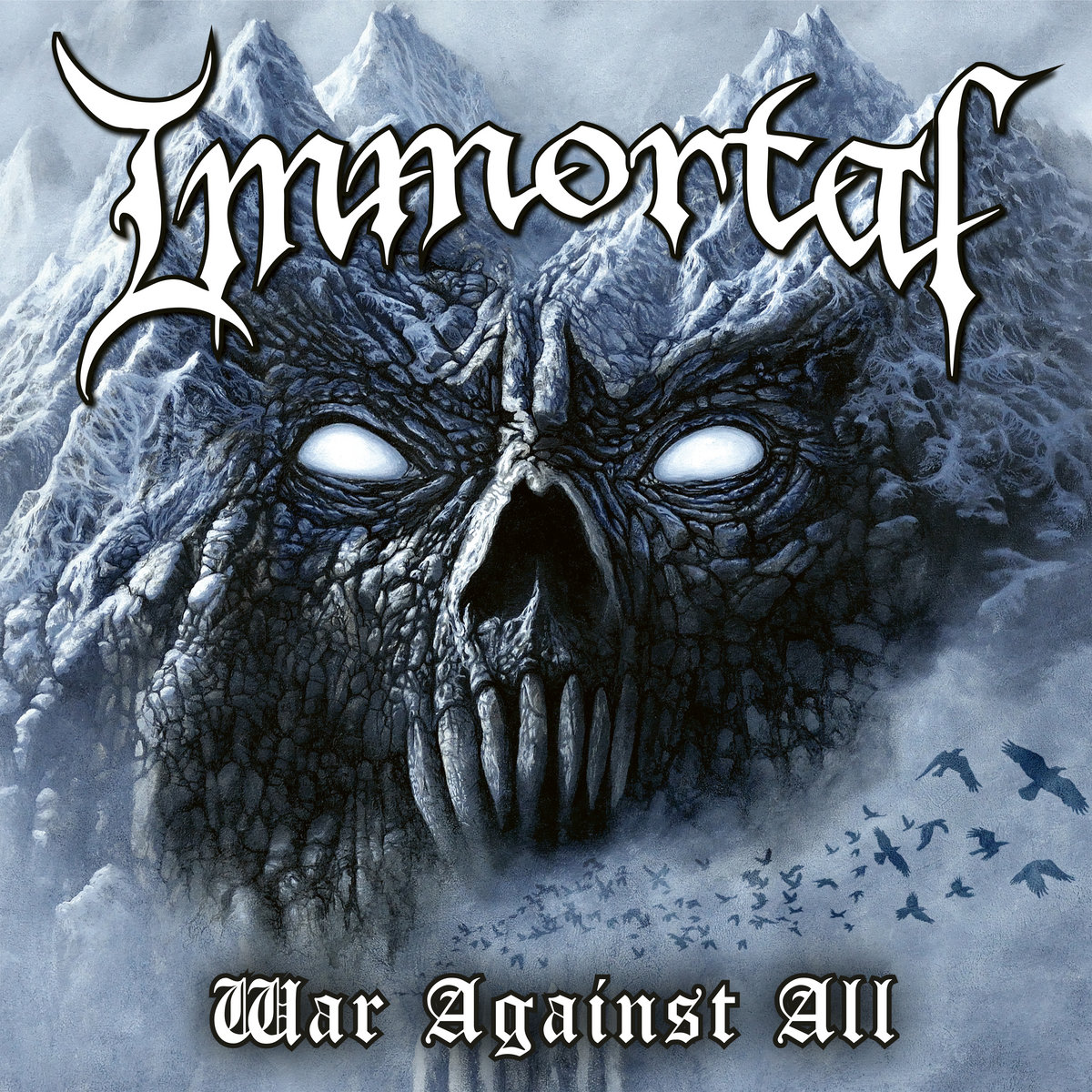
For US metal fans, this wave of veteran activity creates exciting opportunities to witness legendary acts while also raising questions about authenticity and legacy preservation. Immortal and other established US acts in the thrash and death metal scenes will likely be watching these high-profile returns closely, assessing their own potential for similar career moves.
The Underground Persistence
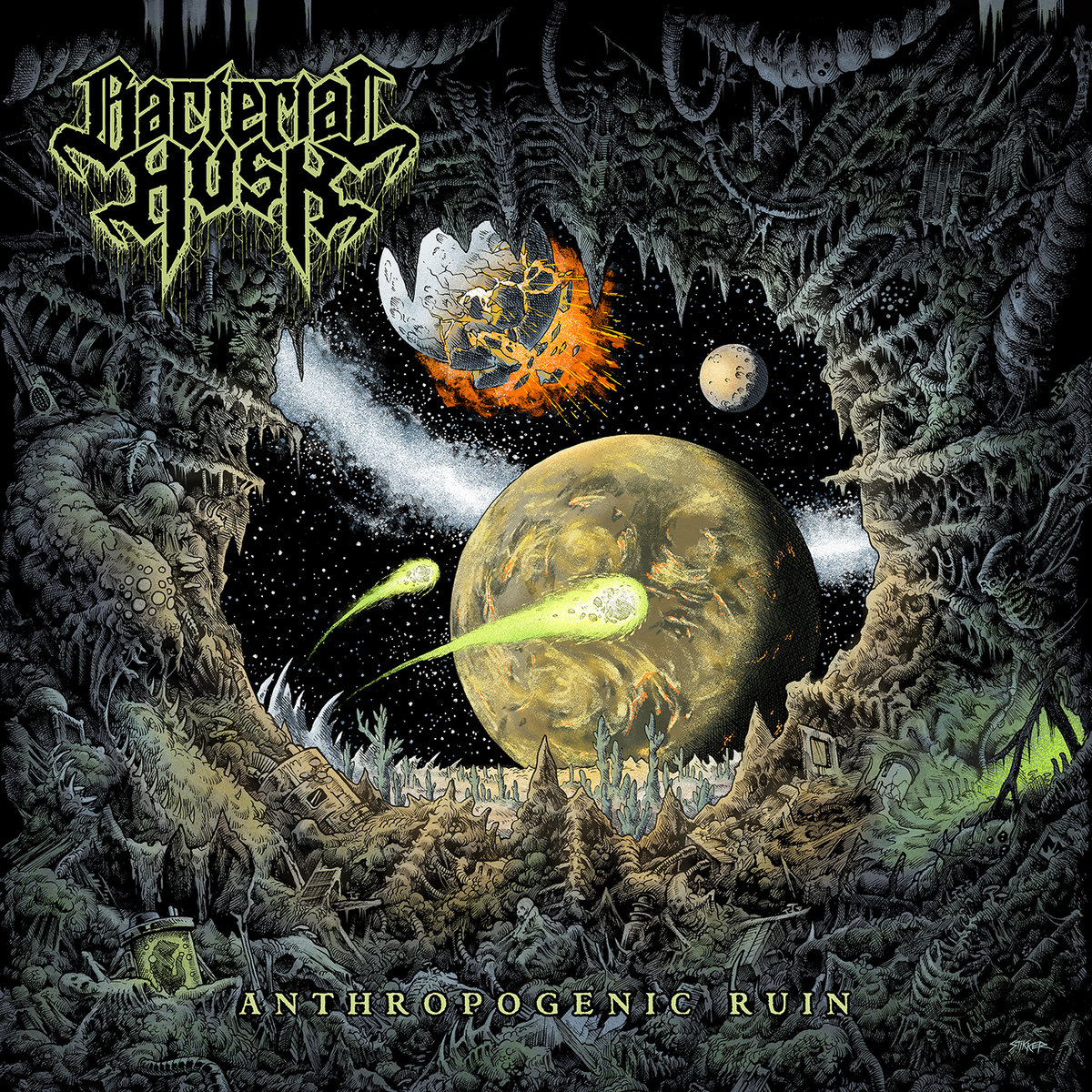
While mega-acts navigate comeback strategies, the underground continues its relentless evolution. Death metal remains the most represented genre in the US scene, with thousands of bands pushing the boundaries of brutality and technicality. Acts like Bacterial Husk and Gutshovel represent the tireless work ethic that keeps extreme metal vital, often touring relentlessly and releasing material with minimal industry support.
The contrast between veteran comebacks and underground persistence reveals metal's multi-tiered ecosystem. While Shadows Fall can leverage their established fanbase and industry connections, countless death metal and black metal acts grind through small venues and DIY spaces, building audiences one show at a time. Both approaches remain essential to metal's continued health and diversity.
Political Tensions and Artistic Freedom
The current climate has also created unexpected challenges for metal acts willing to engage with controversial subjects. Richmond shock-metal veterans GWAR's recent experiences with threats over political content highlight the increasingly polarized reception that awaits bands taking strong stances. This dynamic forces artists to weigh creative expression against personal safety, a calculation that previous generations of metal musicians rarely faced at this level.
For younger acts watching these developments, the lesson seems clear: success in modern metal requires not just musical prowess but careful navigation of social and political minefields. The underground's traditionally rebellious spirit now must contend with real-world consequences that extend far beyond angry music critics.
Genre Evolution and Cross-Pollination
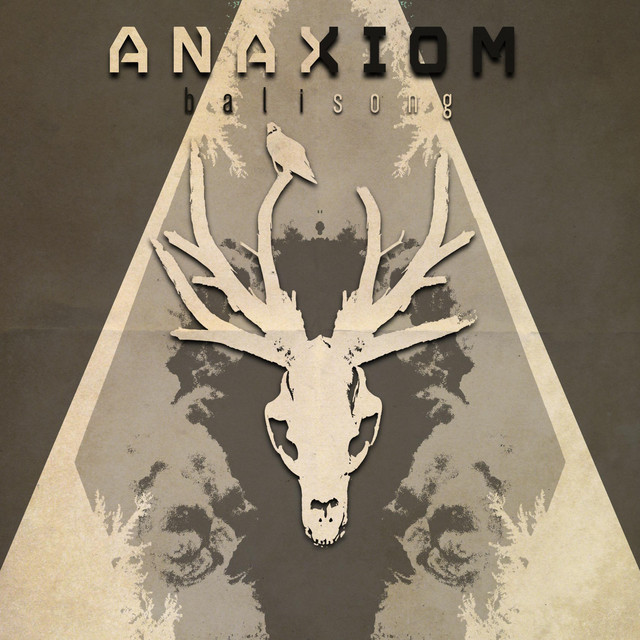
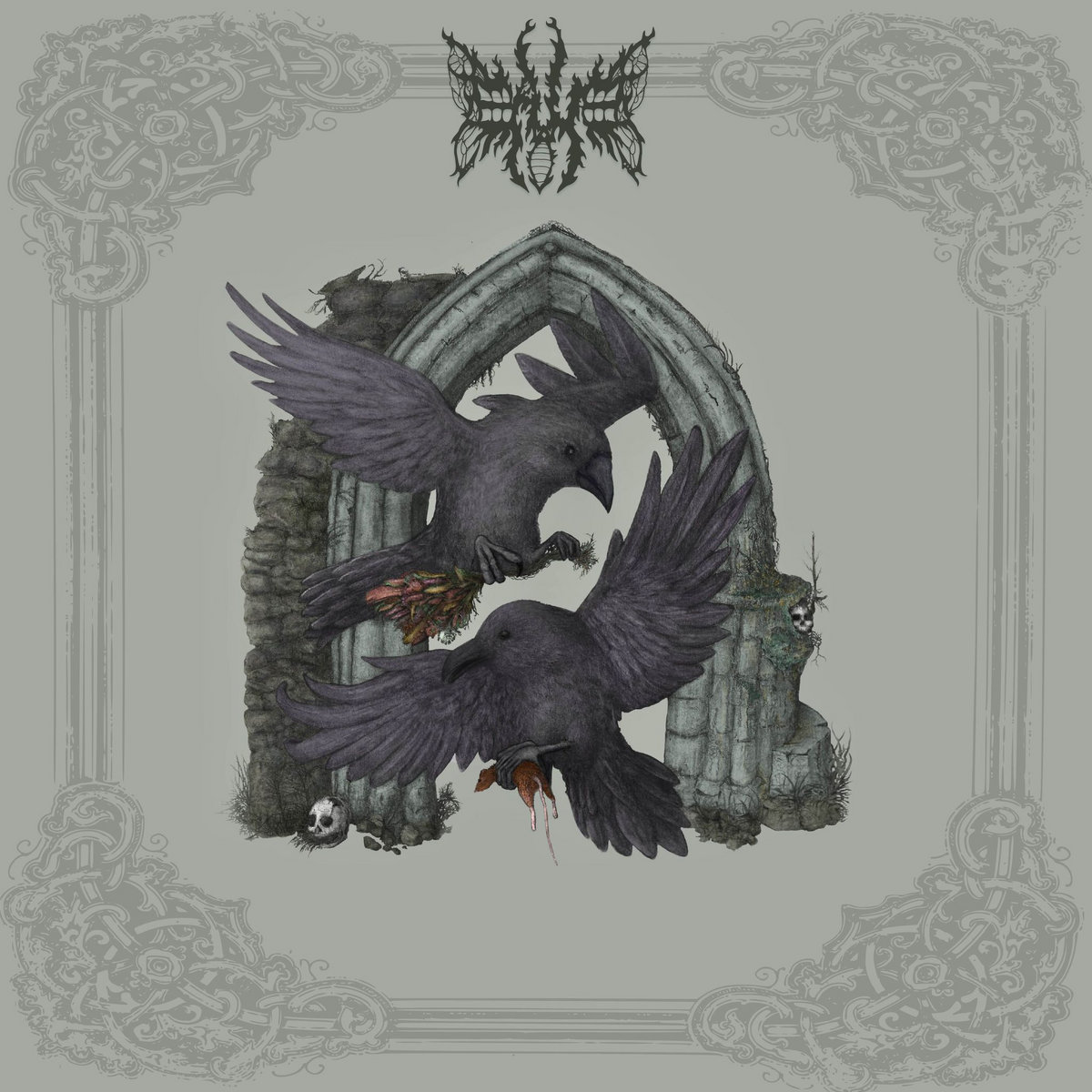
The broader metal scene continues evolving through genre cross-pollination and technological innovation. Bands like Anaxiom in the deathcore and progressive metal space represent the kind of boundary-pushing that keeps heavy music from stagnating, while acts like Eave in the post-black metal realm demonstrate how traditional extreme metal templates can accommodate new sonic territories.
The challenge for 2026 lies in maintaining metal's core intensity while embracing the possibilities that new technology and cultural shifts provide. As veteran bands like Shadows Fall return with fresh material and newcomers push genre boundaries, the US metal scene appears positioned for another period of significant growth and creative expansion.
The convergence of veteran returns, underground persistence, and technological innovation suggests that what metal bands are touring in 2026 might represent one of the most diverse lineups in the genre's history. From reformed metalcore pioneers to cutting-edge progressive death metal acts, the touring landscape promises something for every corner of the metal community.
Looking Ahead
As Shadows Fall prepares to unleash new material and established acts refine their comeback strategies, the US metal scene stands at a crossroads between honoring its past and embracing its future. The next year will likely determine whether this veteran resurgence represents a temporary nostalgia wave or a genuine renaissance that energizes the entire metal community.
For fans and musicians alike, the current moment offers unprecedented opportunities to witness metal history in the making while supporting the underground acts that will define the genre's next chapter. Whether through packed arenas or cramped club stages, the metal community's commitment to live music remains as strong as ever, promising an exciting period ahead for anyone willing to embrace heavy music's continued evolution.