American Metal's Recognition Revolution: US Artists Challenge Industry Award Structures While Veteran Acts Reshape Creative Timelines
The American metal landscape is experiencing a fundamental shift in how recognition, creativity, and industry dynamics intersect. While Canadian deathcore outfit Despised Icon recently claimed victory at the Juno Awards, their triumph over bands like Counterparts highlights a broader conversation about how metal achievements are measured and celebrated across North America—a discussion that resonates deeply within US metal circles where similar recognition battles play out daily.
This recognition revolution extends far beyond award ceremonies. It's reshaping how American metal artists approach their careers, from emerging acts fighting for visibility to established legends redefining their creative processes. The current moment represents a critical juncture where traditional industry gatekeeping mechanisms are being challenged by artists who refuse to accept outdated hierarchies.
The New Economics of Metal Recognition
Recent industry developments reveal the complex financial realities underlying metal's recognition systems. When established acts demand substantial appearance fees—sometimes reaching hundreds of thousands of dollars—it exposes the growing economic divide between metal's upper echelons and its grassroots foundation. This disparity has profound implications for the US scene, where countless local acts struggle for basic recognition while industry veterans command unprecedented fees.
This economic stratification is particularly visible in the American metal underground. Bands like ...And You Will Know Us by the Trail of Dead have navigated these waters for decades, witnessing firsthand how financial considerations increasingly shape artistic opportunities. The current climate forces emerging acts to reconsider traditional pathways to recognition, often bypassing established industry structures entirely.
The situation becomes more complex when considering how these economic pressures affect creative output. Artists facing financial constraints often produce their most innovative work, while those with substantial resources may fall into comfortable but uninspired patterns. This paradox defines much of contemporary American metal's creative landscape.
Veteran Artists Accelerating Creative Cycles
Perhaps nowhere is this recognition revolution more evident than in how established metal acts are approaching their creative timelines. Judas Priest's immediate return to the studio following their recent release signals a broader trend among veteran artists who are compressing traditional album cycles. This acceleration reflects both market pressures and artistic urgency that characterizes the current era.
The implications extend throughout the US metal ecosystem. When legendary acts increase their output pace, it creates ripple effects that influence everything from studio availability to fan attention spans. Emerging American bands must now compete not only with their peers but with an unprecedented volume of new material from established artists who previously operated on much slower release schedules.
This creative acceleration is particularly fascinating when examined alongside the solo project phenomenon. Shane Embury's upcoming solo release represents a growing trend where established artists use side projects to explore ideas that might not fit their primary bands' frameworks. For American metal musicians, this model offers new possibilities for creative expression and audience development.
The solo project trend has particular relevance for US regional scenes, where musicians often participate in multiple bands across different subgenres. Acts like (Ohlm) and .Tallow. exemplify this multi-project approach, treating their involvement in various musical endeavors as complementary rather than competitive.
International Influences Reshaping American Perspectives
The global nature of contemporary metal creates unique challenges and opportunities for American artists. When Brazilian progressive metal pioneers Angra announce anniversary tours, or Norwegian black metal veterans Dimmu Borgir reveal new albums, these developments inevitably influence American metal's creative and commercial landscape.
This international dialogue has become increasingly important for US metal's evolution. American bands can no longer develop in isolation; they must consider how their work fits within a global context while maintaining distinctly American characteristics. This balance between local identity and international relevance defines much of the current scene's creative tension.
The influence operates in multiple directions. American metal innovations—from thrash's Bay Area origins to metalcore's East Coast development—continue shaping global metal evolution. However, the current era sees more equal exchange, with American artists actively incorporating international approaches into their work.
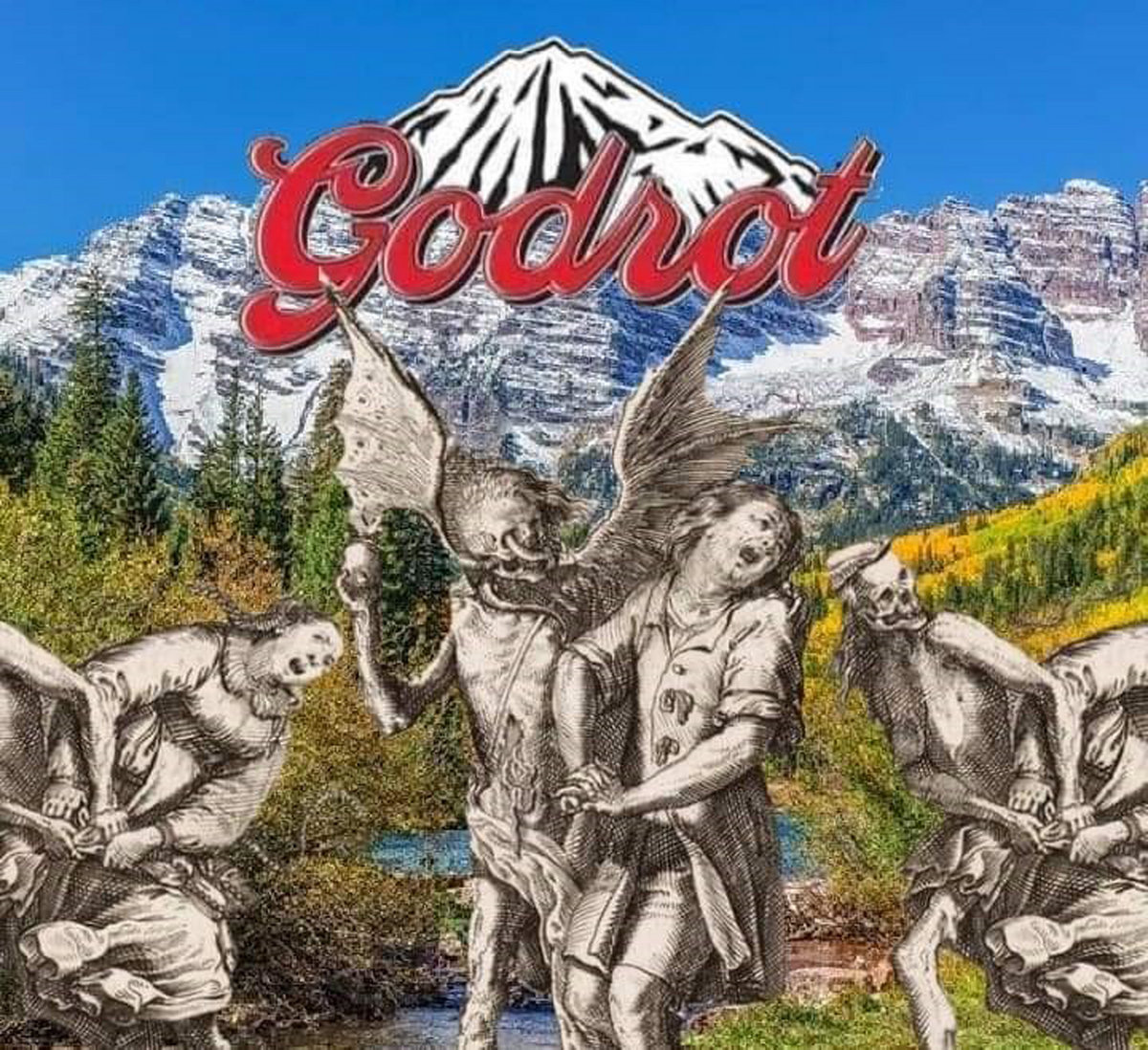
Regional American bands benefit significantly from this global connectivity. Acts like 'Big Jim' Shively and (god-rot) can draw inspiration from international developments while contributing their own innovations to the global metal conversation. This democratization of influence represents a fundamental shift from earlier eras when geographic isolation limited creative cross-pollination.
Genre Boundaries Under Pressure
The current recognition revolution coincides with increasing pressure on traditional genre boundaries. When Portuguese gothic metal veterans Moonspell announce new albums, or Norwegian experimental artists like Mortiis reveal upcoming releases, these developments highlight metal's expanding definitional boundaries—changes that American artists are both driving and responding to.
American metal's genre flexibility has always been one of its strengths, from the early crossover thrash movement to contemporary genre-blending approaches. Current developments suggest this flexibility is becoming even more pronounced, with artists refusing to accept traditional categorical limitations.
This genre fluidity creates both opportunities and challenges for recognition systems. Award categories, streaming platform algorithms, and media coverage structures all struggle to accommodate artists who deliberately blur genre boundaries. American metal acts often find themselves pioneering solutions to these categorization challenges.
The impact extends to live performance contexts, where genre-blending acts must navigate booking challenges while expanding audience possibilities. Venues and promoters increasingly recognize that rigid genre adherence may limit rather than enhance commercial and artistic success.
Technology's Role in Recognition Transformation
Digital platforms have fundamentally altered how metal recognition operates, creating new pathways for American artists while disrupting traditional industry structures. The ability to release music directly to global audiences means that recognition can develop organically rather than through industry gatekeeping mechanisms.
This technological democratization particularly benefits regional American acts who previously faced significant barriers to wider recognition. Bands from smaller markets can now build substantial followings without relocating to traditional industry centers or securing major label support.
However, this democratization also creates new challenges. The volume of available music means that achieving recognition requires different strategies than in previous eras. American metal artists must navigate increasingly complex digital landscapes while maintaining authentic connections with their audiences.
The streaming economy's impact on metal recognition cannot be overstated. Success metrics have shifted from traditional sales figures to engagement measurements that favor consistent output and active audience interaction. This change particularly affects how American metal artists approach their careers and creative planning.
Future Implications for American Metal
These converging trends suggest that American metal is entering a period of fundamental transformation. The recognition revolution encompasses not only how success is measured but how artists approach their entire creative and commercial strategies. Traditional industry models are giving way to more flexible, artist-driven approaches that prioritize authenticity and direct audience connection over institutional validation.
The implications extend throughout the American metal ecosystem, from major label operations to local venue programming. As artists increasingly control their own recognition narratives, traditional intermediaries must adapt or risk obsolescence. This shift empowers artists while requiring them to develop new skills and strategies.
The current moment represents both opportunity and challenge for American metal. Artists who successfully navigate these changes will likely find greater creative freedom and direct audience connection than previous generations. However, success in this new landscape requires adaptability, technological literacy, and entrepreneurial thinking that extends well beyond traditional musical skills.
As this recognition revolution continues evolving, American metal's diversity and innovation will likely prove decisive advantages. The scene's historical willingness to challenge conventions positions it well for an era where conventional approaches increasingly prove inadequate. The question is not whether change will continue, but how quickly American metal artists will adapt to maximize the opportunities these changes create.